Kratom

List of articles

Kratom vs. Matcha – How Do They Differ and Which Drink Is Right for You?

Do you feel like you need a midday boost, but you don't feel like reaching for coffee or an energy drink? You’ve heard about kratom from us many times before, but what about matcha? Matcha promises more energy, better focus, and enhanced performance. How does kratom compare? Each of these substances works in a completely different way. In this article, we’ll take a close look at both plants, helping you understand which one is right for you and whether it makes sense to alternate them based on your mood and needs.
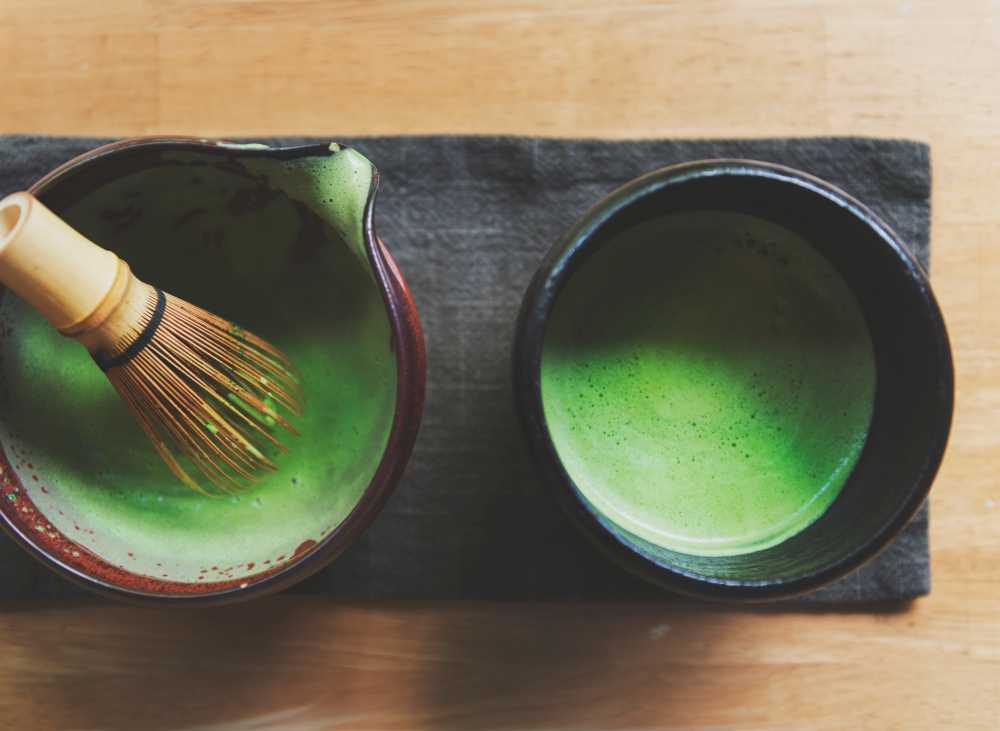
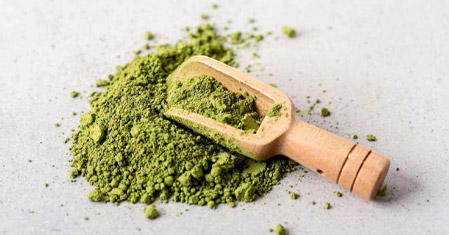
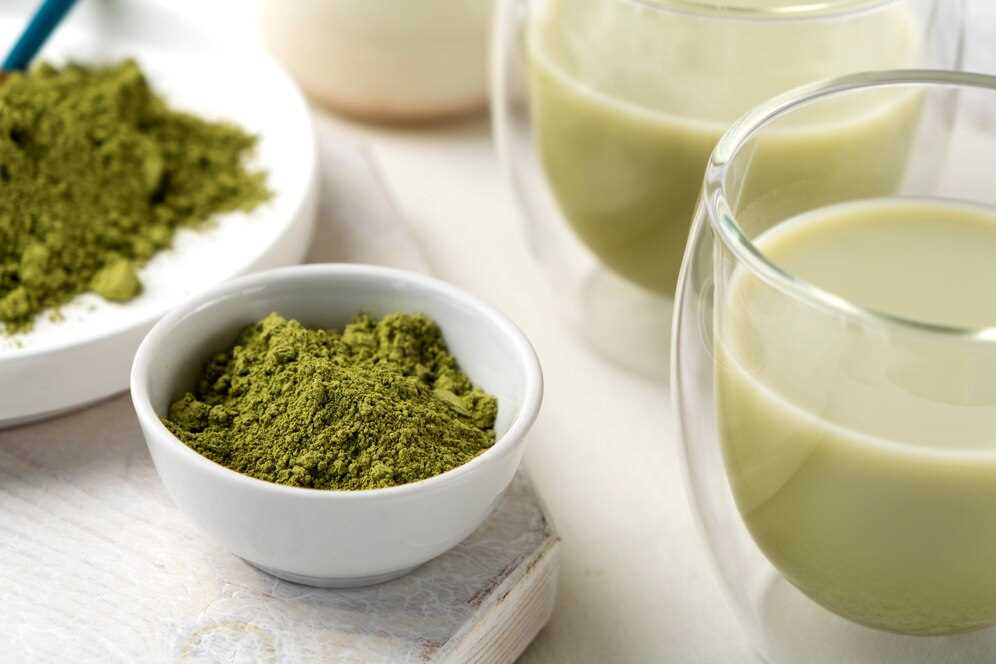
Matcha tea, a traditional Japanese beverage


What is kratom and how does it work?

You know kratom from our shop as a psychomodulatory substance or a herbal supplement that supports a normal mood and focus. On our blog, we regularly prepare content about kratom, ranging from its origin and processing methods to the differences between individual strains. Now, let’s briefly summarize the most important points.

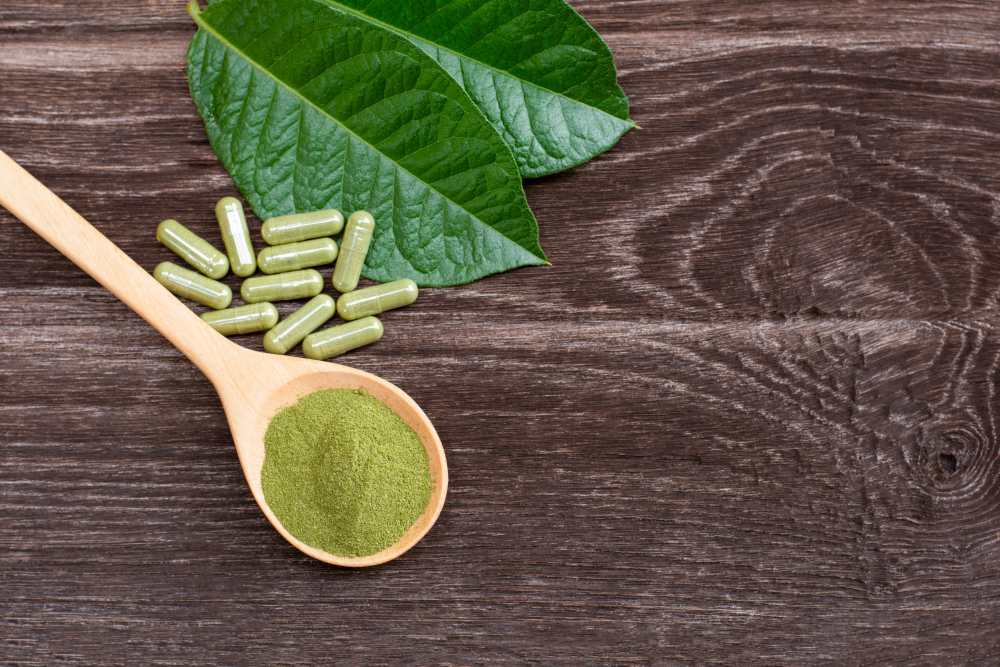
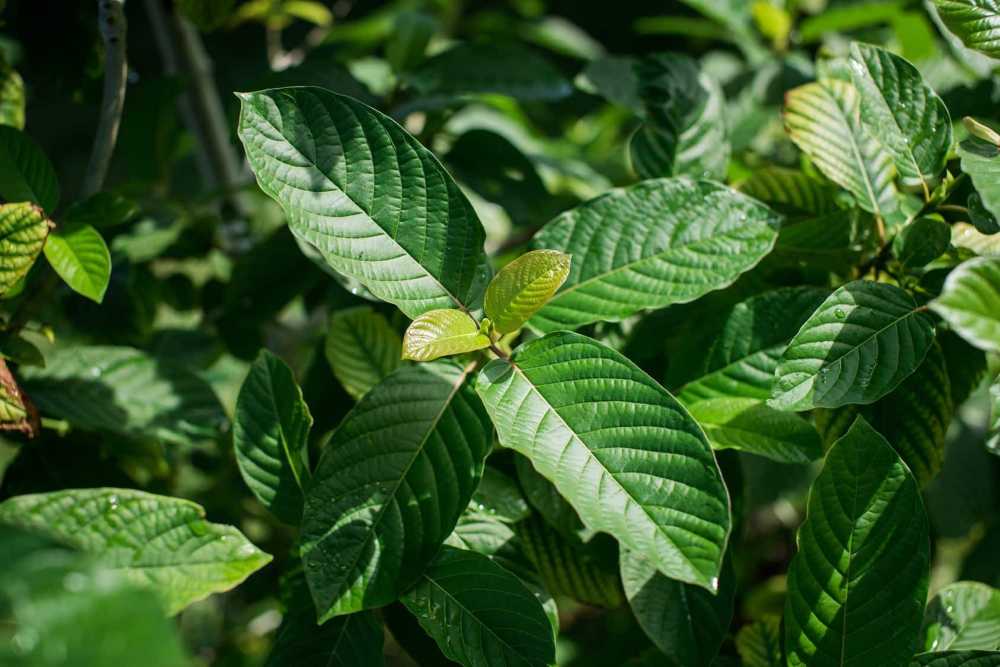
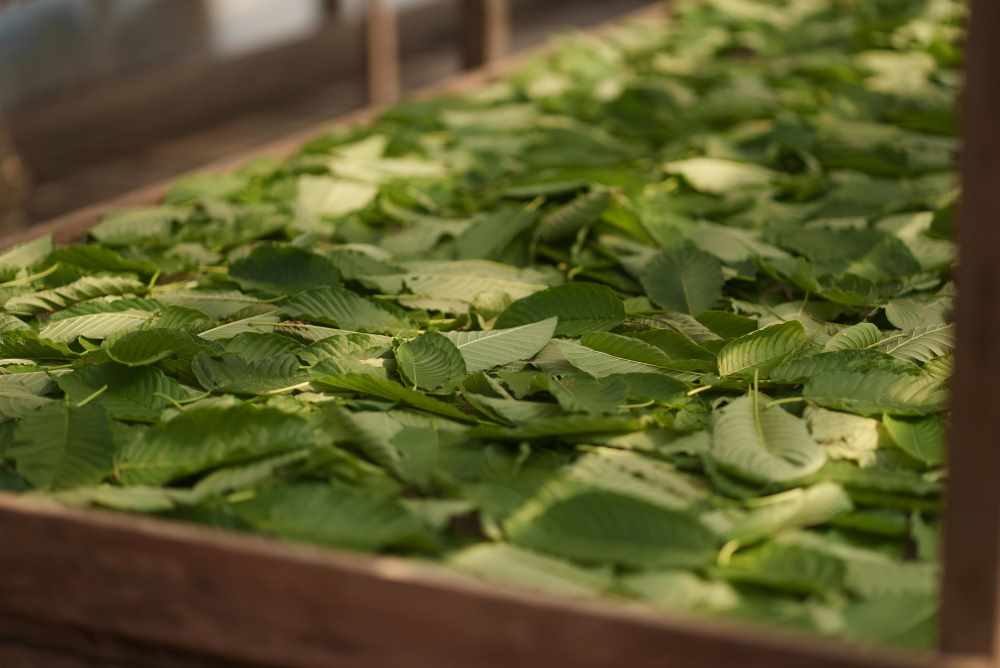
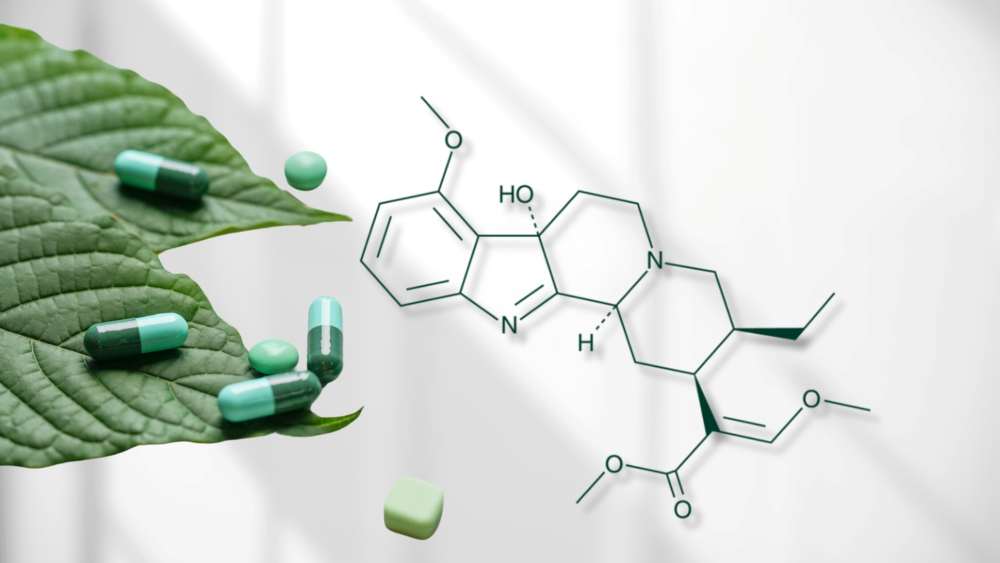
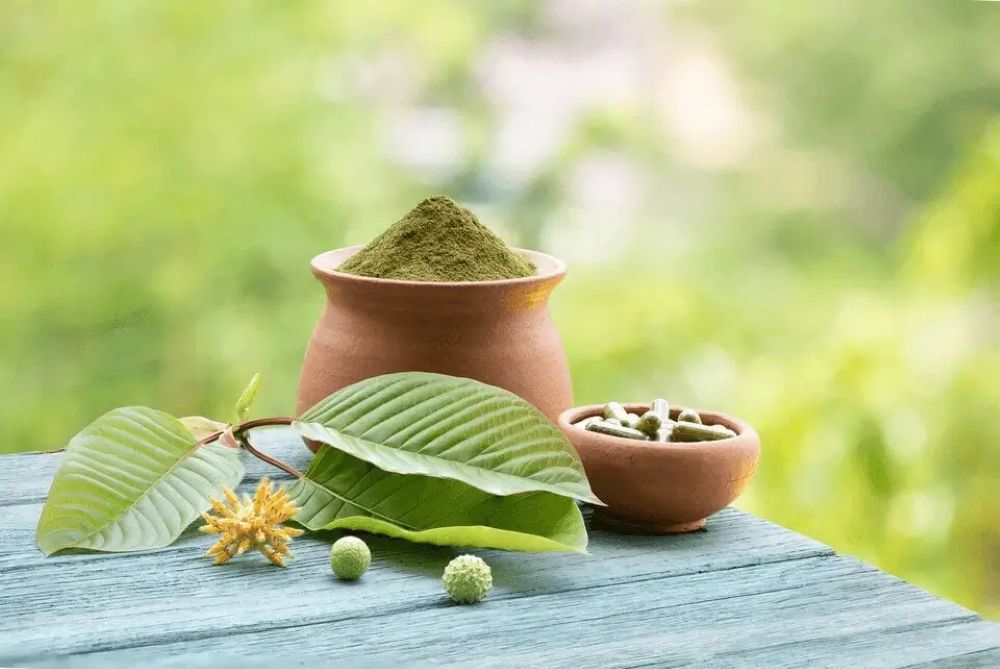
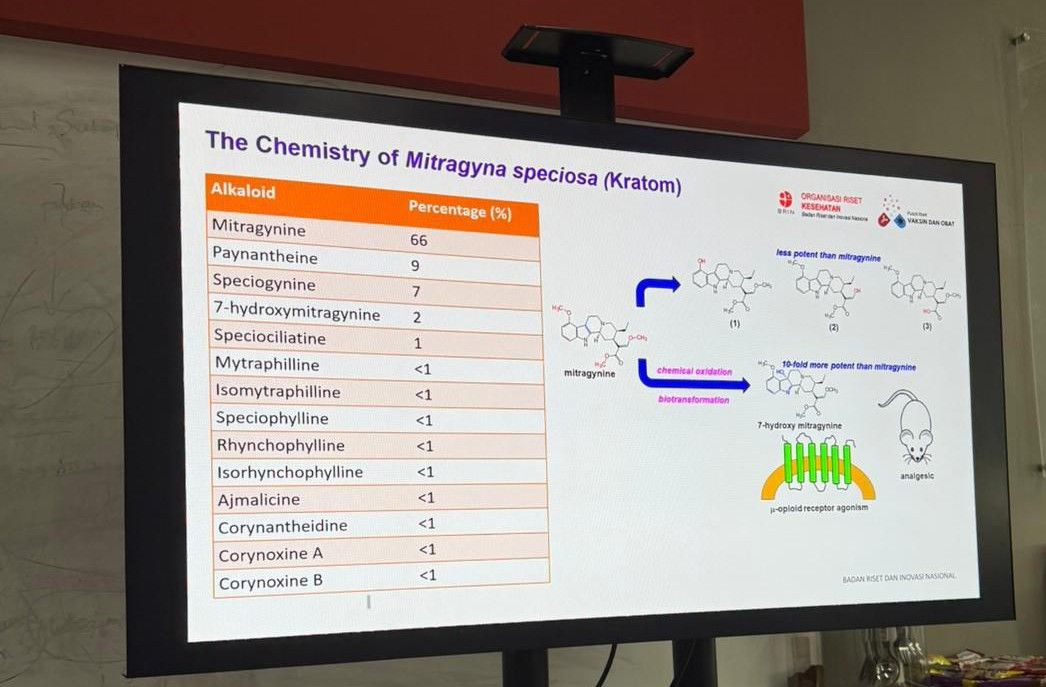
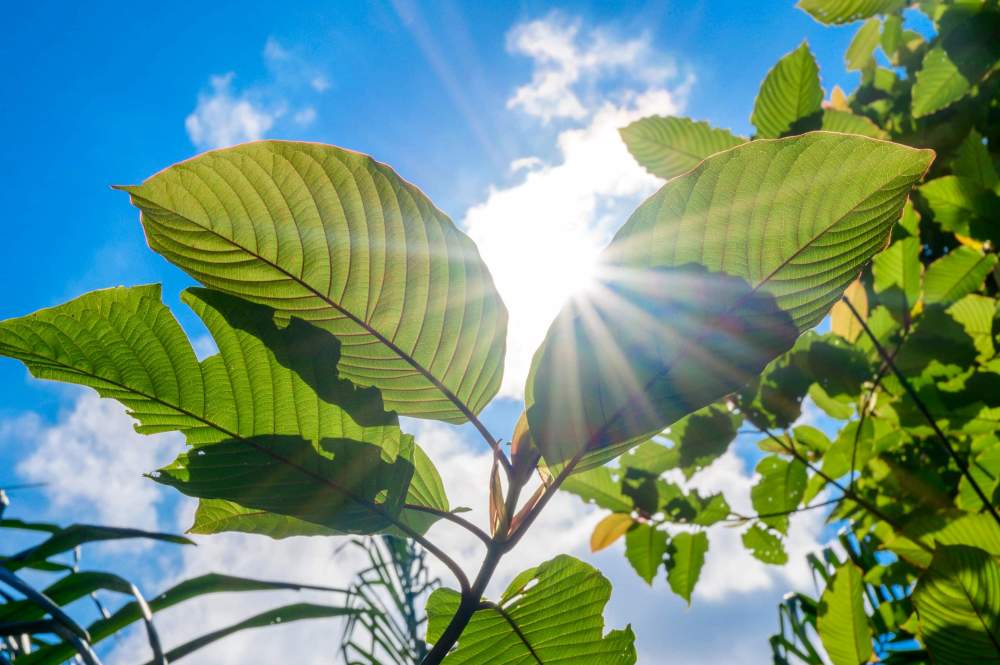
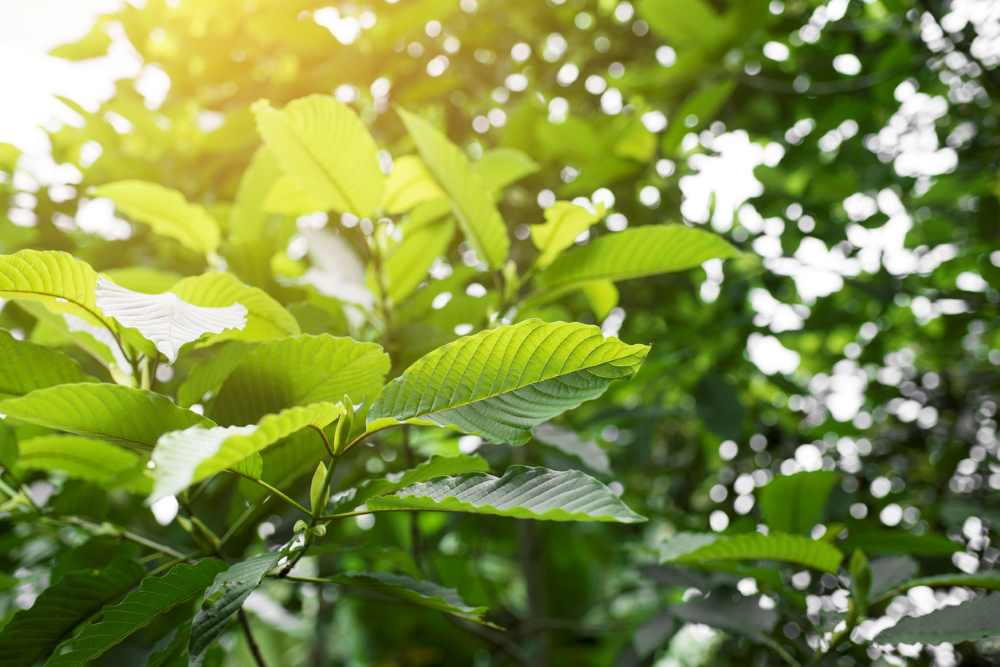
Kratom (Mitragyna speciosa) is a tropical tree native to Southeast Asia, where its leaves have been used for centuries as part of traditional medicine. It grows up to 25 meters tall and is recognized by its prominently veined, deep green leaves. These leaves are the most valuable part of the entire plant because they contain over 40 different alkaloids that affect the nervous system.

Reading TIP

ico-knihaInterested in learning more about kratom? Read our article: What Is Kratom, how to use it and what are its effects.

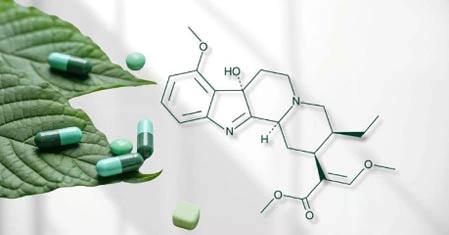
The main active substances are mitragynine and 7-hydroxymitragynine, which have complex effects: they can stimulate, but they can also calm. Everything depends on the chosen strain and dose. While a smaller amount acts more as a stimulant and promotes increased energy, higher doses have an impact on relaxation, tension relief, and unwinding.

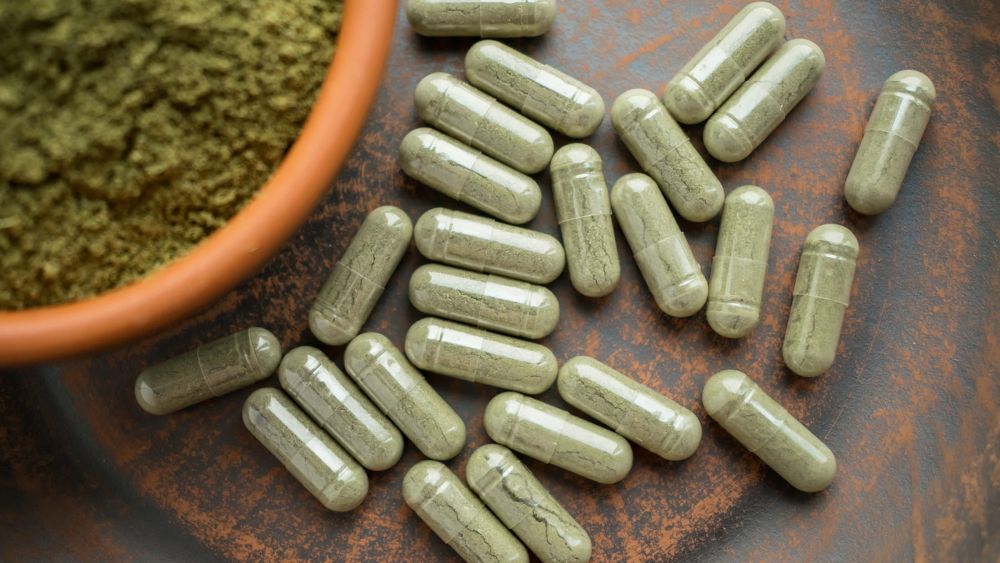
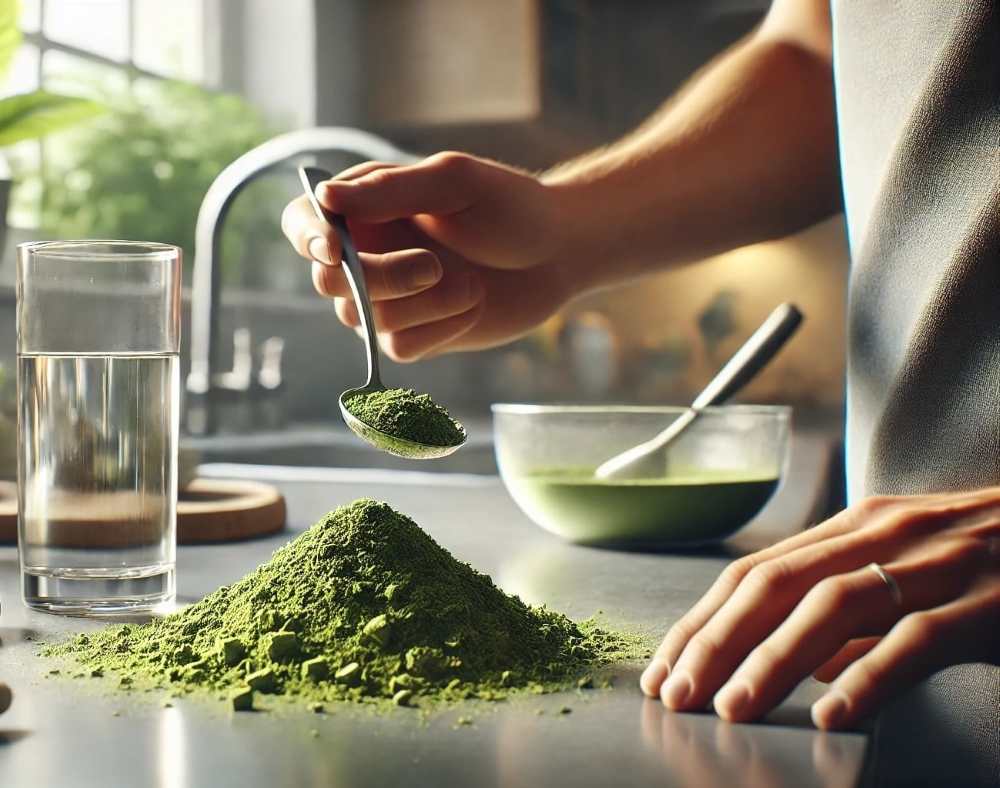
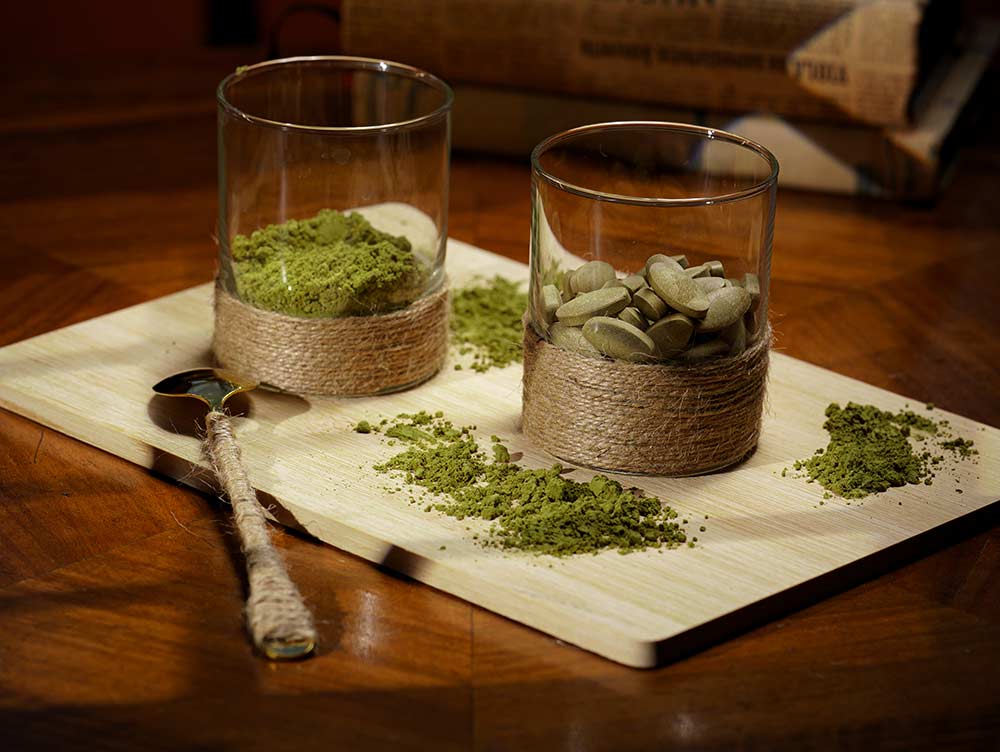
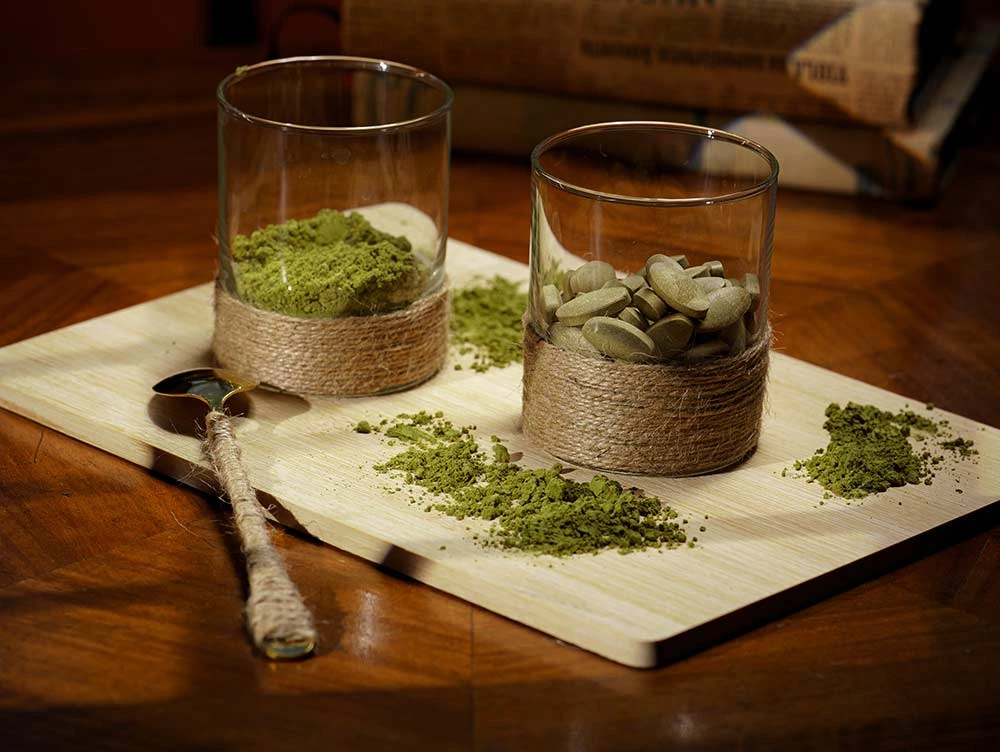
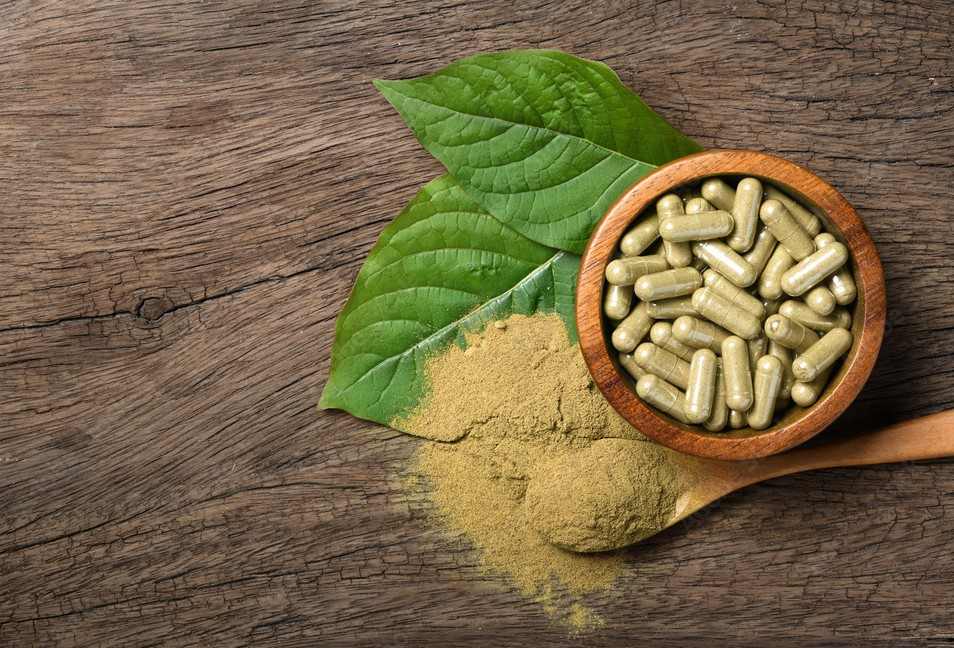
Kratom is most commonly consumed in the form of a fine powder that you can mix into water, juice, or a smoothie. If its taste isn't to your liking, a more practical form exists: tablets, which preserve the effects while skipping its typical flavor.
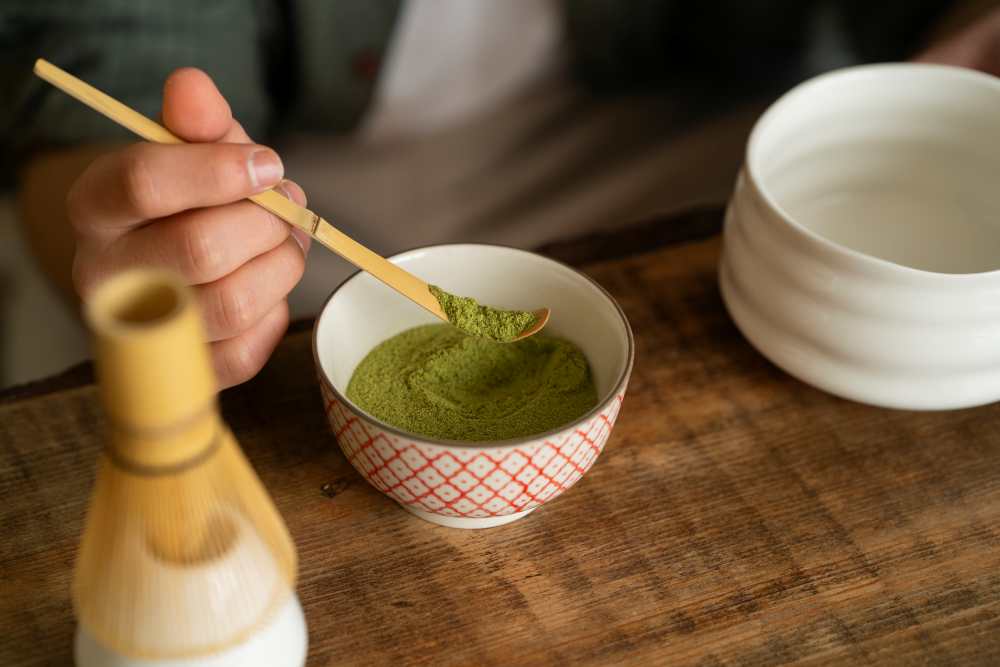
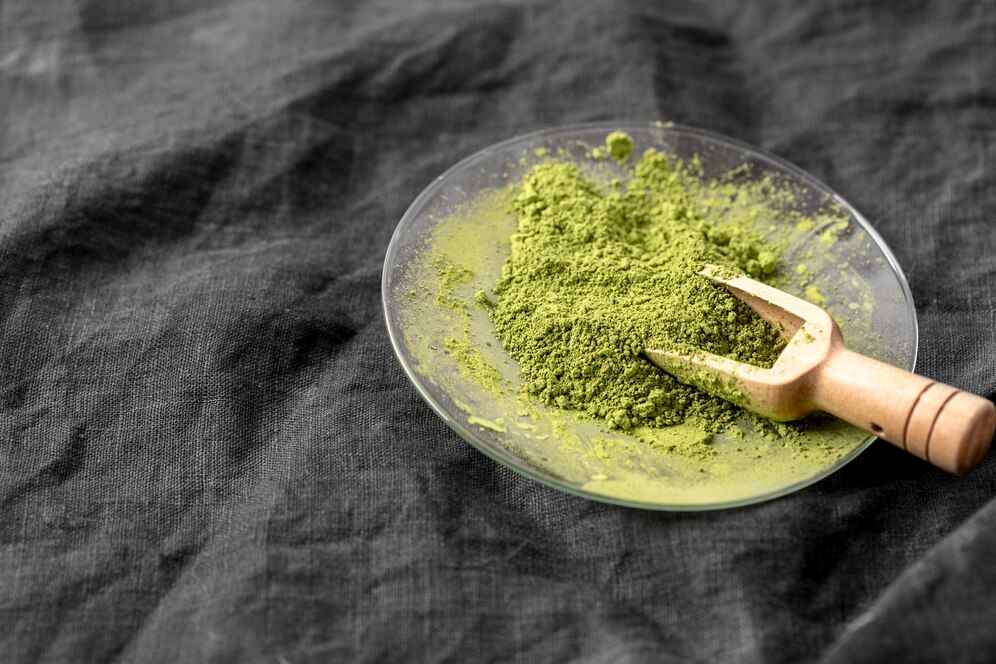
A man preparing matcha tea

What is matcha and how does it work?

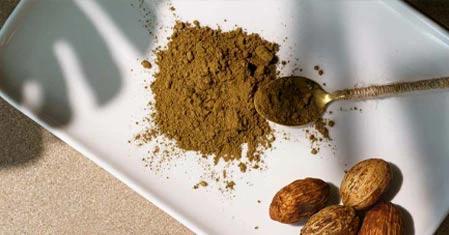
Matcha is more than just a trendy green powder. It is a finely ground green tea with a long tradition in Japanese culture, remaining an integral part of local tea rituals to this day. Currently, however, it is also very popular in Europe, not only as an alternative to coffee, but also as part of smoothies, desserts, or a calm morning routine.

Unlike regular green tea, matcha tea involves consuming the entire leaf rather than just an infusion. This means you get significantly more nutrients, antioxidants, and active substances, including caffeine. This is precisely why matcha tea has a much more pronounced effect than classic green tea.

Matcha contains a combination of caffeine and L-theanine, an amino acid that induces a sense of calm and improves focus. This synergistic effect ensures that matcha provides energy gradually and without sharp fluctuations, free from a sudden "jolt" followed by a crash, as we know it from strong coffee. Instead of nervousness, a feeling of alert well-being takes over.

Matcha is also a rich source of:

  • Chlorophyll
  • Catechins (especially EGCG)
  • Vitamin C

Thanks to its composition, it is a great helper for supporting immunity, detoxification, and antioxidant cell protection. It has a mildly sweet, grassy-earth flavor most commonly combined with milk (matcha latte), but it also fits well into porridges, raw desserts, or protein drinks.

Does matcha have side effects?

Matcha has a range of positive effects. It delivers energy, supports focus, improves mood, and serves as a rich source of antioxidants. However, like any natural substance, it can have its downside, especially if you drink it in excessive amounts or aren't exactly a fan of caffeine.

At higher doses, matcha can cause:

  • Nervousness and restlessness (especially in more sensitive individuals)
  • Insomnia if drunk late in the afternoon or evening
  • Nausea or stomach irritation, primarily on an empty stomach
  • Increased heart rate or blood pressure if you are sensitive to caffeine

In rare cases, long-term consumption of excessive amounts of matcha can strain the liver, but this applies mostly to extremely high doses. Otherwise, matcha is considered a safe beverage that can be enjoyed every day.

Main differences between kratom and matcha

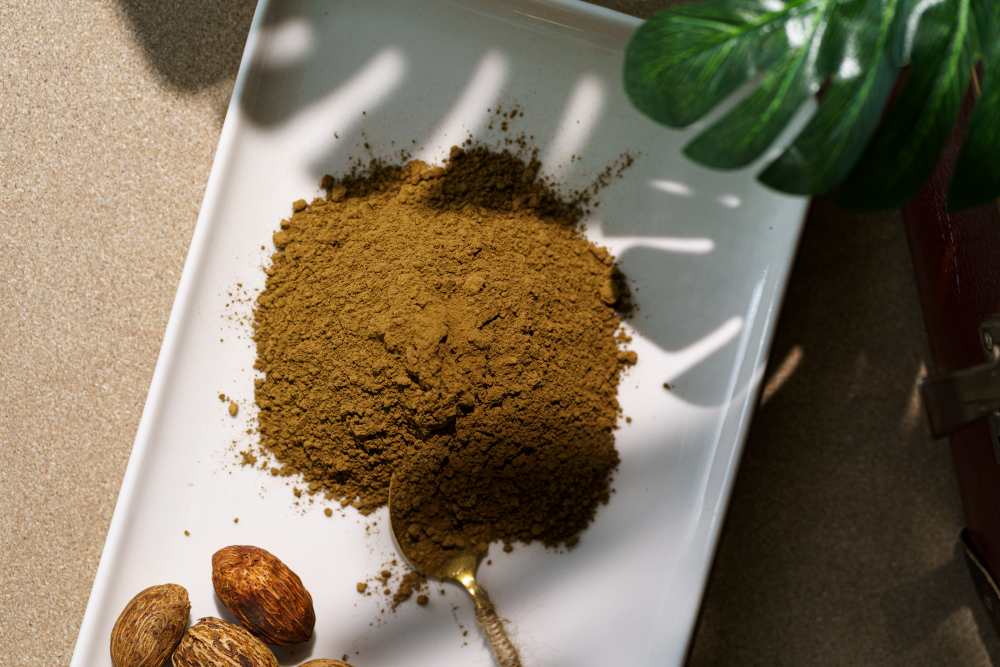
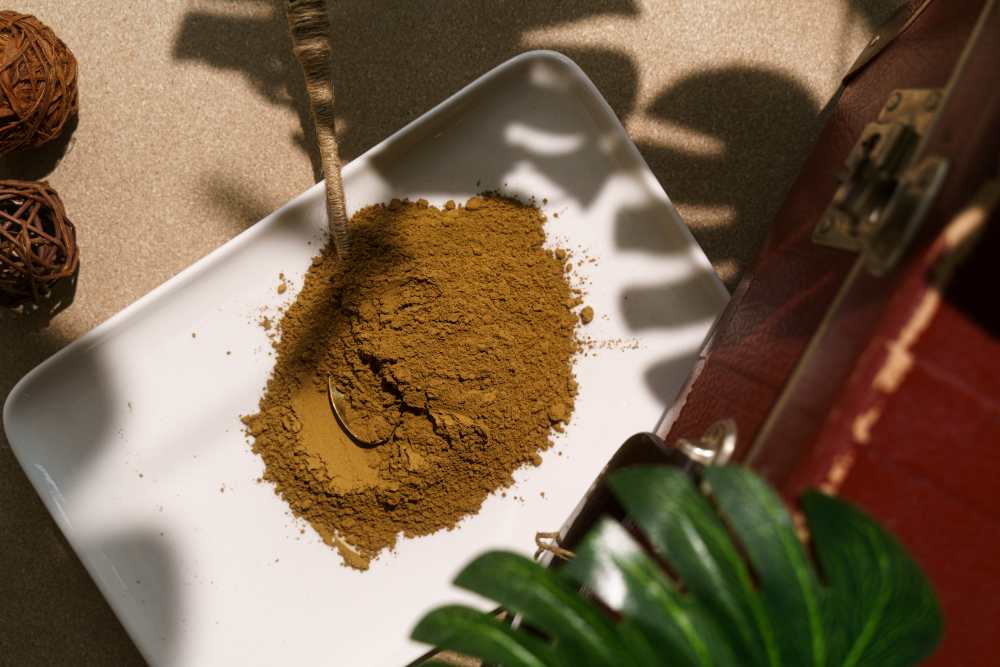
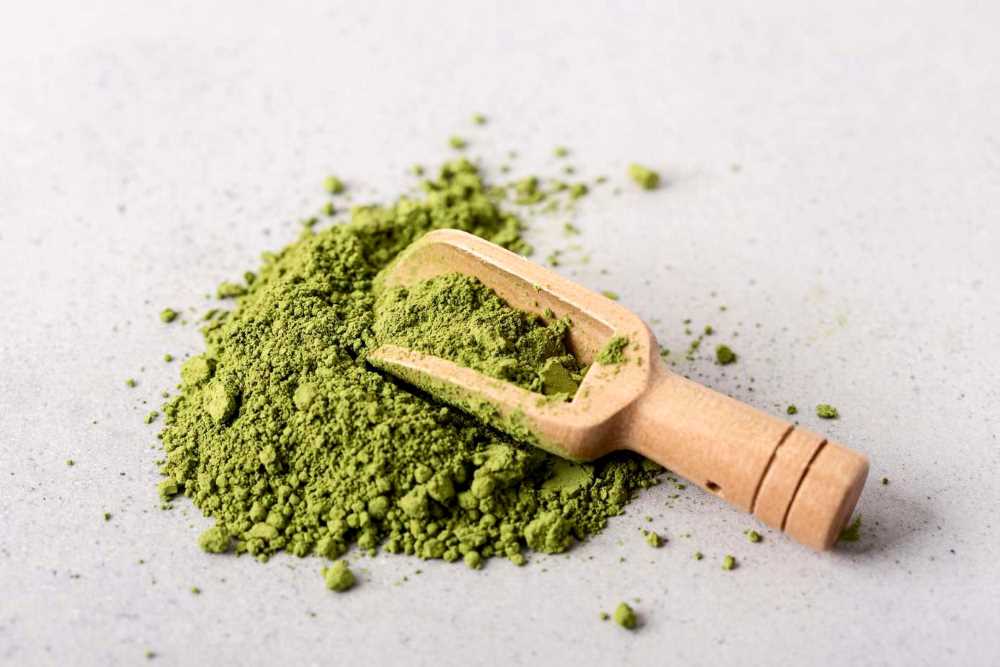
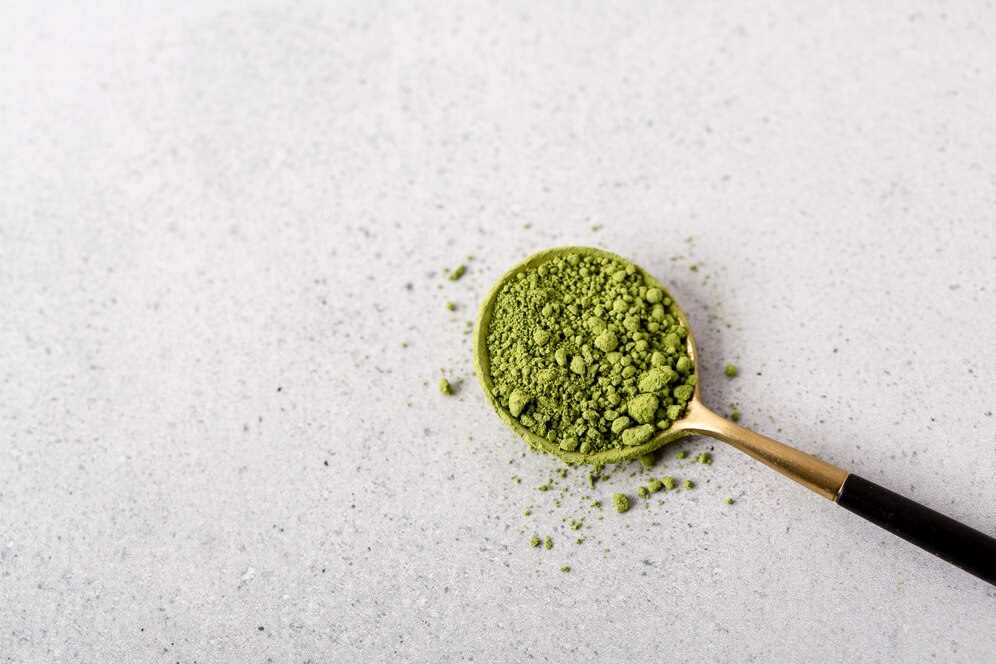
Although both kratom and matcha are often classified as stimulants, they differ in many aspects – not only in their effects, but also in appearance, taste, and dosage. You will most frequently find kratom as a green powder or dried leaves with a typically bitter, earthy taste. Matcha, on the other hand, stands out with its bright green color, velvety consistency, and gently sweet taste with a hint of umami, which is typical for high-quality Japanese teas.

A difference also lies in price. With kratom, it depends on quality and strain, whereas with matcha, its grade plays a role (the most expensive being so-called ceremonial grade).

Article TIP

ico-knihaLooking for quality kratom? We wrote an article for you on where to get it and what to watch out for when choosing.

The dosage of both plants is relatively precise: for kratom, it ranges in grams depending on the desired effect (low doses stimulate, higher ones tend to calm), while for matcha, 1–2 grams per cup is usually enough.

Chemically, kratom is based on alkaloids affecting brain receptors, while matcha scores points with its combination of caffeine, L-theanine, and antioxidants, thanks to which it provides a smooth and balanced energy supply.

From a safety standpoint, both drinks are considered relatively safe when used sensibly. With kratom, it is important not to exceed recommended doses and not to combine it with other substances. With matcha, individuals who tolerate caffeine poorly or have specific health conditions should exercise caution.

How to choose between kratom and matcha?

Each of these drinks has its specific properties and benefits. If you are hesitating over which one is right for you, take a look at the clear comparison below to help you see what you can expect from each.
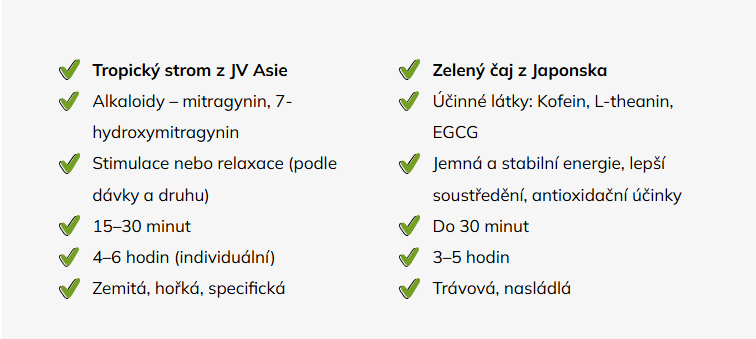
Porovnání kratom a matcha


Kratom and matcha differ in many ways—not only in origin and effect, but also in when and why to use them. Matcha offers clean and stable energy for every day without a major impact on your mindset. It depends entirely on your personal preference.

When to reach for which – and what about combining them?

Considering whether kratom or matcha suits you better? The answer mainly depends on what you currently need. If you have a demanding day ahead requiring focus without over-stimulation, matcha is a great choice, supporting performance gently, stably, and without crashes. Conversely, when you are looking for stronger mood support, tension relief, or an alternative for unwinding after work, kratom might be more suitable (naturally in a dose and strain that fits you).

And what if you think about combining both? Proceed with caution here. Although these are two natural substances, their effects take place on completely different levels within the body. Kratom affects brain receptors differently than the caffeine in matcha, and combining them can lead to unpredictable reactions ranging from over-stimulation to unpleasant physical stress. Generally, mixing these two plants is therefore not reccommended.

If you want to try both drinks, rather alternate them based on the situation than mixing them into a single day. Your body will tell you what suits it best.

What about kratom legality? Yes, but not everywhere

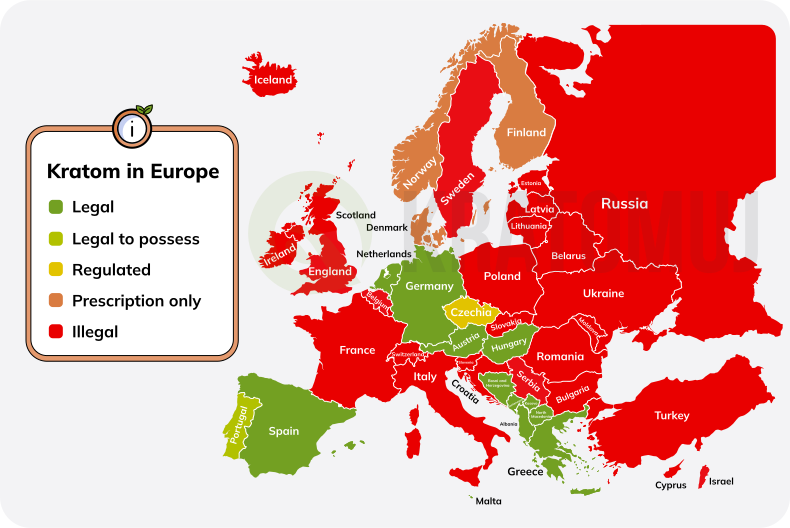
While matcha is completely legal and unrestricted worldwide, the situation with kratom is somewhat more complex. In Hungary, it occupies a legal gray area as an unregulated botanical product. For example, in the Czech Republic, kratom is classified as a psychomodulatory substance - all vendors offering it must hold valid licenses. Sales are restricted to individuals over 18 years of age, through specialized shops or regulated e-shops. Open sales via vending machines or public advertising are not permitted.

If you are planning to travel with kratom, definitely pay attention. The legality of kratom varies across different countries, sometimes quite significantly. While kratom is fully permitted in some EU states (e.g., Germany or Austria), it is banned or strictly regulated in others (e.g., France, Italy, or Poland).

Article TIP

ico-tipBefore packing kratom into your suitcase, we recommend checking its status in your destination in advance. Legal regulations can change, and what was legal last year might not be today. Therefore, we regularly update our article for you: Where Is Kratom Legal? Kratom Legality in 2026.

Whether you reach for kratom or matcha tea, it always depends on what you expect from the drink and how you want to feel. Each of these helpers works a bit differently. Kratom acts more deeply on the psyche and body, whereas matcha offers gentle and stable stimulation without fluctuations. Neither of them is universally "better"—it depends entirely on you, your current need, and your sensitivity.

Remember that even natural substances deserve respect. Experiment, observe the effects, and give your body time. You might find that matcha works best for you in the morning and kratom in the evening after a demanding day, or completely the other way around. And if you are travelling, keep the legislative side of things in mind, especially regarding kratom.

Matcha tea, a traditional Japanese beverage

Frequently asked questions

How much matcha per day?

The usual recommended dose of matcha is 1–2 grams daily, corresponding roughly to one cup of classic matcha tea or matcha latte. This portion contains approximately 60–80 mg of caffeine – similar to a weaker cup of coffee – but thanks to the presence of L-theanine, it acts much more evenly and smoothly. And the good news? The body does not build a tolerance to matcha as quickly as it does to coffee, so you can enjoy it regularly without worry, ideally during the morning or early afternoon.

When not to drink matcha?

Although matcha is generally very well tolerated, it is not always the right time to have a cup. Due to its caffeine content, it can disrupt sleep in more sensitive individuals, so we do not recommend drinking it in the evening or right before bedtime. The ideal time for matcha is in the morning or early afternoon when you need a boost. Watch out for consuming it on an empty stomach as well; for some people, it can cause nausea or irritation. If you are trying it for the first time, try incorporating it after a light breakfast. And if you are pregnant, breastfeeding, or have heart or blood pressure issues, it is always best to consult a doctor about consuming matcha.

Disclaimer

This article is for informational purposes only and does not replace professional medical or addiction-related consultation. It does not contain recommendations regarding dosage or frequency of use. Kratom is intended strictly for adults aged 18 and over. Do not use it during pregnancy, while breastfeeding, in combination with alcohol or medication, or before driving vehicles. 

Sources

WIKIPEDIE. Kofein [online]. Available from: https://cs.wikipedia.org/wiki/Kofein

HEALTHLINE. 7 Proven Ways Matcha Tea Improves Your Health [online]. Available from: https://www.healthline.com/nutrition/7-benefits-of-matcha-tea

EATINGWELL. What Happens to Your Body When You Drink Matcha Every Day [online]. Available from: https://www.eatingwell.com/matcha-health-benefits-11705379

NIH. Health Benefits and Chemical Composition of Matcha Green Tea: A Review [online]. Available from: https://pmc.ncbi.nlm.nih.gov/articles/PMC7796401/

HACKENSACK MERIDIAN HEALTH. Kratom: What Are The Health Benefits vs. Risks? [online]. Available from: https://www.hackensackmeridianhealth.org/en/healthu/2023/06/23/kratom-health-benefits-and-risks
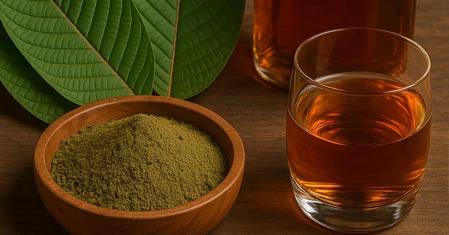
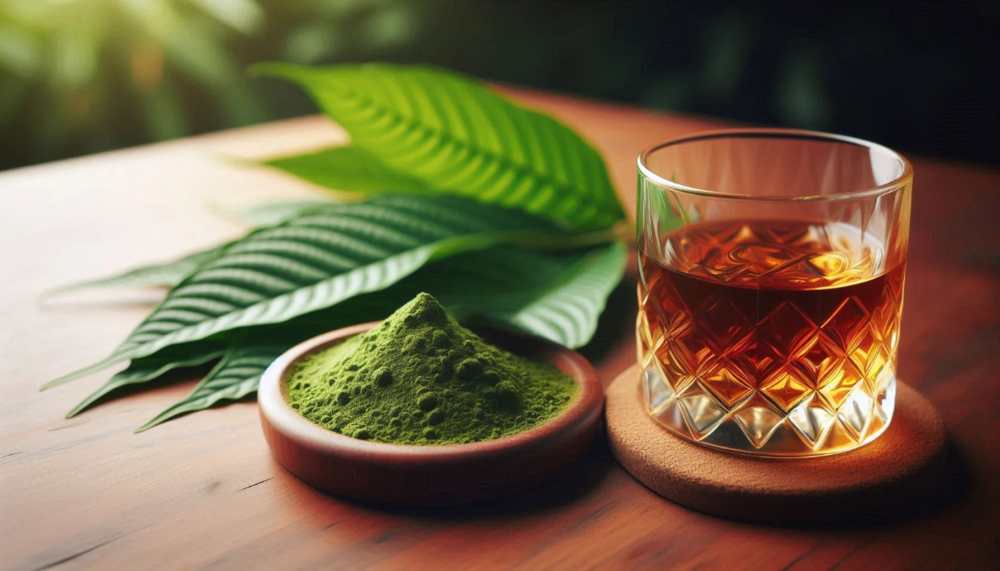
 
 
Kratom and Alcohol – Everything You Should Know

Kratom and alcohol are two distinct but widely used substances that affect the body and mind. While kratom is a time-tested substance used for centuries in some cultures for its stimulating effects, it remains somewhat unexplored in the Western world. Conversely, alcohol is well-known to us and has been used for centuries as a means for relaxation and social gatherings. But what happens when you combine these two substances? Can such a combination be safe, or should you rather avoid it?

kratom_and_alcohol


What is kratom and how does it affect the body?

Kratom (Mitragyna speciosa) is a tropical plant native to Southeast Asia, used for its stimulating and soothing effects. It contains alkaloids, primarily mitragynine and 7-hydroxymitragynine, which affect opioid receptors in the brain, similar to some pain medications. Interestingly, at lower doses, kratom acts as a stimulant, improving focus and increasing energy, while higher doses lead to relaxation, pain relief, and calming. The effects vary depending on the dose, the type of kratom, body constitution, and individual sensitivity.

ARTICLE TIP 

ico-tipWe regularly prepare articles about kratom for you on our blog. What are the effects of kratom, its dosage, and how does it work in the human body? You can learn all this and much more with us.

What happens to the body when consuming alcohol?

Alcohol is a psychoactive substance that acts on the central nervous system. After consumption, alcohol is absorbed into the bloodstream through the stomach and small intestine, subsequently affecting the brain and altering chemical processes that control our behavior, emotions, and motor skills. It focuses most on the GABA neurotransmitter (gamma-aminobutyric acid) and inhibits the activity of excitatory neurotransmitters such as glutamate, which leads to a feeling of relaxation, reduced anxiety, and affected motor skills.

Did you know…

ico-tipAlcohol is among the most commonly used substances affecting the mind in the United States and worldwide? According to the NIAAA, more than 221 million Americans aged 12 and older have consumed alcohol at least once. This represents roughly 78.5% of the entire population in this age group.

The chemistry of alcohol in the body

Alcohol affects not only neurotransmitters but also various enzymes in the body, such as alcohol dehydrogenase (ADH), which breaks down alcohol into acetaldehyde – a toxic substance that is subsequently converted into acetic acid. This process burdens the liver and can lead to damage to liver cells during excessive alcohol consumption. In small doses, alcohol is metabolized relatively quickly, but in the case of higher intake, this process can be slowed, and intoxication occurs.

Effects of alcohol on the brain and nervous system

Alcohol increases dopamine levels in the brain. This is why alcohol is associated with relaxation and mood improvement. However, with greater consumption, alcohol can suppress nervous system activity, leading to slowed reactions, impaired coordination, and poor decision-making. High doses can even lead to loss of consciousness, coma, or death in cases of acute intoxication.

Alcohol and dehydration

Alcohol increases urine production and leads to dehydration. This process can be the cause of some negative effects of drinking alcohol, such as headaches, dry mouth, and overall fatigue after consumption. Long-term excessive alcohol consumption can also lead to chronic dehydration and kidney problems.

kratom_and_alcohol_are_not_a_safe_combination

Combining kratom and alcohol – What are the potential effects?

Kratom and alcohol have significantly different effects on our body and mind, primarily due to differences in their composition and the way they affect the central nervous system. Kratom contains alkaloids that bind to opioid receptors in the brain, while alcohol is a chemical substance that primarily inhibits nerve signals and suppresses nervous system activity. This fundamental difference in mechanisms of action means that combining these two substances can have complex and often unpredictable effects.

Combining kratom and alcohol

The answer to whether it is good to mix kratom and alcohol is not simple. Many people report that the combination of these two substances does not cause any serious problems, but there are cases where kratom overdose has occurred, especially when combined with other substances, including alcohol. Although we still lack all the necessary information about kratom, it is better to avoid the combination with alcohol.

On the other hand, if you decide to https://nida.nih.gov/research-topics/kratom, it can offer a range of effects. Many users appreciate its ability to increase energy, improve focus, and support a better mood without the typical side effects of caffeine. Kratom can also help relax the body and mind, especially at higher doses, contributing to relaxation and pain relief.

Regarding the positive effects of mixing kratom and alcohol, some people state that this combination helped them release tension and improve their mood at social events where they might otherwise feel nervous. The mild relaxation induced by alcohol may balance out the stimulating effects of kratom, leading to an overall feeling of well-being. However, it is important to keep in mind that this is a highly individual matter that may not work for everyone. The negatives brought by mixing seem to be more extensive.

combining_kratom_with_alcohol

Safety recommendations for using kratom and alcohol

When you imagine an evening with friends where spirits are lifted, a bottle of beer or a glass of wine is opened, and perhaps you add a dose of kratom to calm your nerves, it might sound like a combination that promises a pleasant atmosphere and well-being. But what really happens when these two substances meet? How does it affect your body, and how can you minimize the risks?

Beer and kratom

Let's say you have a beer and add a small dose of kratom. In this case, it is likely that you will experience a pleasant mix. Kratom in a smaller dose can induce increased energy and focus, while alcohol helps you relax and get rid of the overload from the entire day. It might be an ideal combination for an evening sitting with friends or for moments when you want to feel comfortable without extreme effects. Here, it is important not to overdo the amount of either substance.

Hard liquor and kratom

Now imagine that after a few glasses of hard liquor (whether it is whiskey, rum, or vodka), you decide to take a dose of kratom. Many would consider this a safe combination, but in reality, it can be very dangerous. Alcohol at this stage has already slowed your reactions, reduced your coordination ability, and affected your balance. When you add kratom, which acts as a sedative at certain dosages, it can cause a strong depression of the nervous system. The result can be an unexpected loss of coordination, drowsiness, or even breathing problems. This mix can also very easily lead to nausea or dizziness.

Owner and kratom expert Ondřej Tanistra says:

ico-tip"In my experience, the combination of kratom and alcohol is possible, but it is important to understand how it works. A key factor is the amount of alcohol, which is substantially stronger than kratom. If a person drinks a larger amount of alcohol, the effects of kratom practically disappear. Kratom may still provide energy, but you won't feel it anymore because alcohol drowns out this effect. It all depends on how much alcohol a person consumes."

What about a hangover? Kratom may help alleviate it, but…

If you already have a hangover after an evening of drinking alcohol, adding kratom could theoretically help with some symptoms of a hangover, such as headaches, fatigue, or nausea. Red kratom has analgesic effects that can ease headaches. White kratom can provide energy and alleviate fatigue. However, the effect is not scientifically proven, and the effects of kratom on a hangover can be individual.

When should you avoid the combination of kratom and alcohol?

There are situations when you should definitely avoid the combination of kratom and alcohol. Even if it might be tempting to add a little kratom to an evening glass or take it when you have already consumed alcohol, it can be dangerous.

  • When consuming larger amounts of alcohol
  • If you have weakened health, especially the liver
  • If you are planning an activity that requires attention and coordination
  • When using other medications

Kratom and alcohol are two powerful substances that have significantly different ways of acting on our body and mind. While kratom can stimulate or act as a sedative, alcohol always induces depression of the central nervous system. Combining these substances can lead to unpredictable effects that can be dangerous.

Although it might have some positive effects, the risks that come with their simultaneous use outweigh the possible benefits. If you have doubts about the safety of combining these substances, it is better to avoid using them together and instead choose one substance that your body tolerates well.
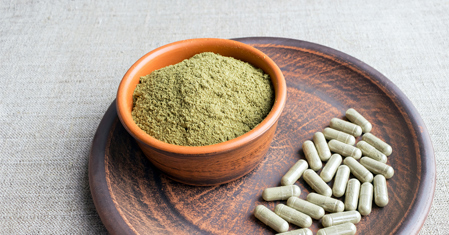
`combining_kratom_with_medications`

Frequently asked questions

How long after alcohol is it safe to use kratom? 

If you decide to use kratom after alcohol, it is ideal to wait at least 24 hours so that the alcohol is sufficiently processed out of the body. The time depends on the amount of alcohol you drank and the speed of your body's metabolism. Generally, the body processes approximately one standard alcoholic drink per hour, but it may take longer for the alcohol to be completely cleared. Ensure that you feel completely sober, stay hydrated, and give your body plenty of rest. Do not use high doses of kratom, as your body may still be weakened by the process of alcohol metabolism.

What to do if you don't feel well after using kratom and alcohol? 

First, sit or lie down in a safe place to prevent falling. Drink plenty of water or electrolyte drinks to balance out the dehydration caused by alcohol. Monitor whether your condition is worsening. Ask someone to be with you and supervise your condition. If severe symptoms appear, such as loss of consciousness, breathing problems, or severe pain, seek professional help immediately and inform the doctor about the combination of these substances.

Disclaimer 

This article is for informational purposes only and does not replace professional medical or addiction-related consultation. It does not contain recommendations regarding dosage or frequency of use. Kratom is intended strictly for adults aged 18 and over. Do not use it during pregnancy, while breastfeeding, in combination with alcohol or medication, or before driving vehicles.

Sources

HEALTHLINE. What’s the Verdict on Kratom and Alcohol? [online]. Available at: https://www.healthline.com/health/kratom-and-alcohol

NIAAA.NIH. Alcohol Use in the United States: Age Groups and Demographic Characteristics [online]. Available at: https://www.niaaa.nih.gov/alcohols-effects-health/alcohol-topics-z/alcohol-facts-and-statistics/alcohol-use-united-states-age-groups-and-demographic-characteristics

 NIH. Kratom [online]. Available at: https://nida.nih.gov/research-topics/kratom

 PHOENIXRISING. Kratom and alcohol: Mixing dangers [online]. Available at: https://www.phoenixrisingrecovery.com/rehab-blog/mixing-kratom-and-alcohol/

ZINIAHEALTH. Mixing Kratom and Alcohol: Can You Drink on Kratom? [online]. Available at: https://zinniahealth.com/substance-use/kratom/with-alcohol


Kratom and Antibiotics – Is It Safe to Use Them Together?

When you are struck down by an illness, antibiotics are often the only solution. If you are a fan of kratom, you might wonder: Is it safe to take it? Kratom is known for its analgesic and stimulating effects, which many appreciate precisely when they are feeling under the weather. However, if your doctor prescribes antibiotics, it is wise to slow down and find out what science and common sense say about combining them with kratom.

In today's article, we will take a look at what we know about the combination of kratom and antibiotics, what risks may arise, and what you should consider before mixing these two substances.
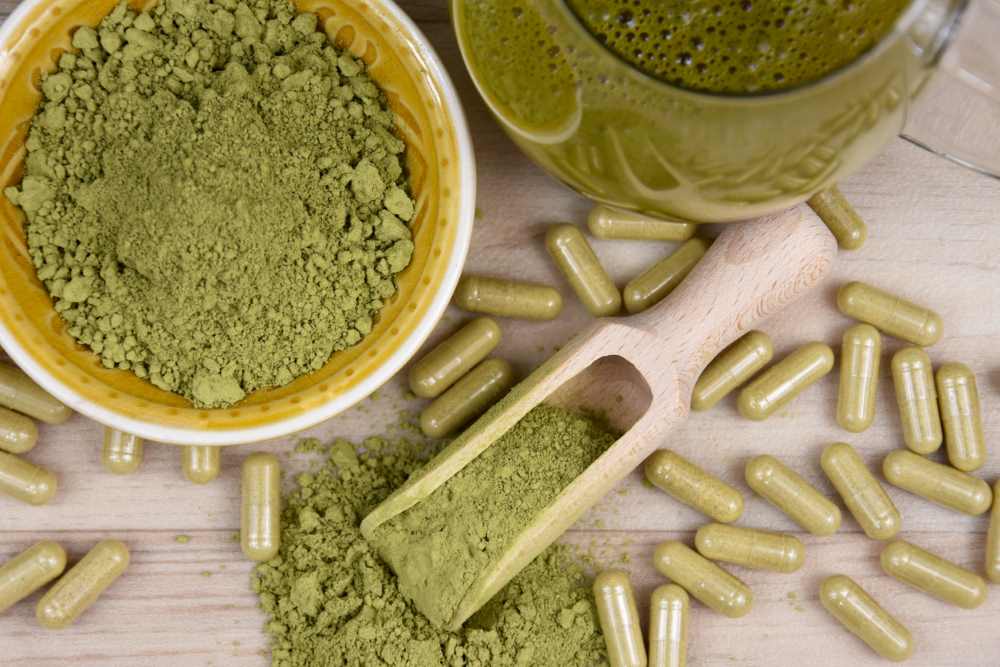
`kratom_and_antibiotics_what_you_should_know`


What are antibiotics and how do they work?

Antibiotics are among the most frequently prescribed medications, tasked with one goal: to fight bacterial infections. Unlike painkillers or fever reducers, antibiotics do not just treat symptoms; they target the cause – the bacteria themselves. They work by either disrupting their cell walls, blocking their reproduction, or stopping their vital functions. This helps the immune system overcome the infection faster.

The most commonly prescribed antibiotic groups include:

  • Penicillins (e.g., Amoxicillin)

  • Macrolides (e.g., Azithromycin)

  • Cephalosporins

Antibiotics are commonly prescribed for bronchitis, strep throat, urinary tract infections, or skin infections. Each type of antibiotic works a bit differently, which is why it is important to follow the doctor's instructions – not only regarding the duration of treatment but also the correct timing of doses.

Antibiotics do not work on viruses, so they will not help with a common cold or the flu. Furthermore, improper use (e.g., shortening the treatment or combining it with other substances without consulting an expert) can reduce their efficacy and contribute to the development of antibiotic resistance.

Kratom and its influence on the body

Kratom (Mitragyna speciosa) is a psychomodulatory substance that affects the body differently than most common medications, including antibiotics. It contains alkaloids, primarily mitragynine and 7-hydroxymitragynine, which bind to opioid receptors in the brain. This can lead to effects such as pain relief, calming, or stimulation, depending on the dosage and the specific strain.

What to watch out for?

Kratom acts in a complex manner. Its active compounds affect not only the nervous system but also the liver, which plays a key role in the metabolism of all substances we ingest, including medicines. This is where a potential conflict with antibiotics can arise. For the same reason, it is not recommended to take antibiotics and alcohol together.

Simply put: if the liver is processing both kratom and an antibiotic at the same time, it may happen that one of these substances is broken down more slowly. This can affect the efficacy of the treatment or increase the risk of side effects.

ARTICLE TIP 

ico-knihaWhat impact does kratom have on the liver? Find out in our article.

Can kratom affect the efficacy of antibiotics?

When you are taking antibiotics, your body is on a precisely set regimen. Each dose has its purpose – to suppress the infection, destroy bacteria, and at the same time burden the body as little as possible. Kratom can enter this process and disrupt this fragile setup. How exactly does it work?

Some alkaloids in kratom are metabolized through the same liver enzymes as commonly prescribed antibiotics (e.g., amoxicillin, azithromycin, or doxycycline). If they meet at the same time, the breakdown of one of them – most often the antibiotic – can be slowed down. This means:

  • Lower efficacy of treatment: Bacteria may not be completely destroyed, which can lead to a persistent or recurring infection.

  • Higher risk of side effects: The medication remains in the body longer than it should, which can overload the liver or cause other complications.

  • Weakened immunity: Even though kratom is often used to support fatigue and pain, during a bacterial infection, your body needs rest and regeneration more than additional substances to process.

Combining kratom and antibiotics is not ideal and can unnecessarily complicate treatment.

`kratom_and_antibiotics_kratomuj_owner_inspecting_kratom_leaves_in_indonesia`

Kratom and antibiotics: What science says

Direct scientific studies on the combination of kratom and antibiotics are not yet sufficient, which is why recommendations are based mainly on what we know about the metabolism of both substances and user experiences. Some describe that kratom helped alleviate pain, improved mood, or made sleep easier during an illness. Others, however, noted a worsened progression of the infection or greater fatigue.

Experts warn that even though kratom is a natural substance, it is not without effect on the body. And if the immune system is weakened by an infection, adding another active substance to the equation can be an unnecessary risk. The conclusion? Science does not yet provide a clear "yes" or "no," but caution is definitely in order.

When it is better to avoid the combination entirely

If you are on antibiotics, it is always good to consider whether kratom is an unnecessary risk. You should be especially cautious if you are taking:

  • Strong broad-spectrum antibiotics (e.g., ciprofloxacin, levofloxacin), which burden the liver and kidneys.

  • Antibiotics with a longer duration of action (e.g., azithromycin); their efficacy can be disrupted by slower processing in the body.

  • Multiple medications at once: Interactions between medications and kratom are harder to predict.

Avoid the combination of kratom and antibiotics if you also have a weakened liver, chronic illnesses, or are just starting with kratom.

How to proceed if you decide to use kratom during an illness

Do you love kratom and don't want to stop using it even while ill? Follow a few safety recommendations:

  • Choose a low dose. Ideally lower than your usual dose. The body is already working at its maximum; there is no need to burden it more.

  • Do not take it simultaneously with antibiotics. Leave an interval of ideally 3–4 hours between doses.

  • Monitor your symptoms. Do you feel worse after the combination than you expected? Skip the kratom.

  • Pay attention to hydration. Both antibiotics and kratom can burden the kidneys; drink more than usual.

And if you are unsure whether the combination is suitable for you? Your doctor or pharmacist can provide the answer. Even if they might not know everything about kratom, they can at least assess the risk regarding the prescribed treatment, as there are differences between individual antibiotics.

How to fight an infection

If you are fighting an infection, your body deserves rest, plenty of fluids, and nutrients. Besides classic recommendations (vitamin C, zinc, probiotics after antibiotics), natural immunity can be supported in other ways.

Worth mentioning is, for example, CBD (cannabidiol), which has anti-inflammatory and immunomodulatory effects. Many users report that it helps them sleep better, reduces anxiety, and overall calms the body – something that really comes in handy during an illness.

Other gentle helpers can include:

  • Herbs like echinacea, sea buckthorn, or rosehip

  • Quality broth or light meals

  • Rest and relaxation

Kratom can be a great ally during normal days, but when illness strikes and a doctor prescribes antibiotics, it is appropriate to be more cautious. The combination of these two substances may not always be safe. It can affect treatment efficacy, burden the liver, or slow down recovery. The best thing you can do at such a moment? Give your body space to heal. Rest, drink plenty of fluids, eat healthy and light meals. If you cannot do without kratom, approach it with respect – a smaller dose, longer intervals, and maximum attention to your body's signals.

Once you are fit again, you can return to your favorite kratom with peace of mind. Until then, try to take a break and give yourself a chance for a faster recovery.

`kratom_and_antibiotics_what_is_the_difference_between_them`

Frequently asked questions

What should I not mix with kratom? 

You should not combine kratom with alcohol, prescription medications (especially antibiotics, antidepressants, sedatives, blood pressure medication, or epilepsy medication), or other substances that affect the brain and nervous system. This combination can be unpredictable, whether it involves slowed metabolism, intensified side effects, or reduced medication efficacy. During an illness, the body has enough work on its own, so it may not effectively handle a combination of multiple substances.

How long after finishing antibiotics can I use kratom again? 

Ideally, wait at least 2–3 days after finishing treatment to give your body time to safely process the antibiotics. Both the liver and kidneys may be weakened after an illness and the treatment. The length of the break, however, also depends on the type of antibiotic, the duration of use, and your overall condition. If you still don't feel fit, it is better to wait with returning to kratom. Your body deserves full regeneration first. You can then enjoy kratom to the fullest when you are back at full strength.

Will kratom help me feel better during an illness? 

Some people use kratom during an illness for pain relief (especially red kratom) or for a light boost when the body is fighting an infection. But be careful; during illness, the body needs rest rather than stimulation. Stick to a low dose, do not take it at the same time as medication, and monitor your individual bodily reaction.

Disclaimer 

This article is for informational purposes only and does not replace professional medical or addiction-related consultation. It does not contain recommendations regarding dosage or frequency of use. Kratom is intended strictly for adults aged 18 and over. Do not use it during pregnancy, while breastfeeding, in combination with alcohol or medication, or before driving vehicles.

Sources

NASEZDRAVOTNICTVI. 30% of antibiotics are prescribed unnecessarily in the CZ. Doctors can now verify the frequency and quality of antibiotic prescription with other colleagues [online]. Available at: https://nasezdravotnictvi.cz/aktualita/okolo-30-antibiotik-je-predepsano-v-cesku-zbytecne-lekari-si-mohou-nove-overit-cetnost-a-kvalitu-preksripce-antibiotik-s-ostatnimi-kolegy

KRATOM.ORG. Is it safe to take kratom with amoxicillin? [online]. Available at: https://kratom.org/interactions/amoxicillin/

KRATOMPASSION.COM. Can I Take Kratom With Amoxicillin? [online]. Available at: https://kratompassion.com/can-i-take-kratom-with-amoxicillin/


Kratom for Learning

Are you facing a final exam or state boards, but after a few days of studying, you simply cannot concentrate anymore? We all know that feeling. Forget about standard coffee. Kratom is entering the battle against lack of focus. This plant keeps your mind concentrated and can increase your productivity throughout your study session. What makes kratom so effective? In this article, we will take a look at which kratom strain is the best helper for learning.

`frustrated_student_studying_for_an_important_exam_in_the_library`


What Is Kratom

Kratom, also known as Mitragyna speciosa, is a tree native to Southeast Asia, particularly Indonesia, where it is widely cultivated. Its leaves are typically dark green and glossy, and the tree itself can grow up to 25 meters tall. In the traditional medicine of these regions, kratom has been used for centuries for its broad spectrum of effects.

Kratom can positively influence mood, help manage pain, support relaxation and focus, or serve as a helper for learning. However, the effects vary depending on the strain and dosage.

Article Tip

ico-knihaInterested in learning more about kratom? Read our article: What Is Kratom, Its Effects, and Proper Dosage?

Kratom for Learning

Are you trying to prepare for an important exam, but your eyes are closing, your focus is fading, and you can't get a single thought into your head? Getting into the right study mindset and managing demanding tasks can sometimes be really difficult.
Many of us reach for coffee, energy supplements, or drinks in such moments. But it is not always necessary to rely on these means. How can kratom help you?
1. Concentration and Emotional State

The active substances contained in kratom support an increased supply of blood and oxygen to the brain, which leads to better focus and concentration. This process also positively influences your emotional state, which can help with feelings of anxiety or depression.

2. Boosting Creativity

One of the main reasons to choose kratom is its hidden potential to stimulate creativity. Kratom can serve as a source of inspiration because it helps overcome internal blocks and obstacles that hinder the creative process.

3. Memory Improvement

Among kratom's effects is memory improvement, which is especially useful when preparing for surprise tests or exams where you need to quickly recall large amounts of information.

4. Mood Enhancement and Energy Boost

Beyond all the mentioned benefits, kratom can also improve your mood. You may feel positive emotions and an increase in motivation, which is often associated with higher productivity. Kratom also helps overcome the fatigue that sets in during long study days or nights.

`white_kratom_dosage_on_a_spoon_for_studying`

Kratom or Caffeine?

Both kratom and caffeine are classified as stimulants that can have a positive influence on learning, but their action and effects differ significantly. The plant Mitragyna speciosa (kratom) and coffee belong to the same plant family, Rubiaceae.

Kratom 

Contains alkaloids that significantly influence brain receptors. In small doses, kratom has stimulating effects that help with long-lasting concentration, productivity, and energy during learning.

Caffeine 

Conversely, caffeine blocks adenosine receptors, which increases the release of dopamine. An increase in dopamine leads to greater stimulation, productivity, and heightened attention. Students nearing exam deadlines often choose caffeine to help them stay awake as long as possible.

The main differences between caffeine and kratom are:

  • Kratom influences emotional state – it relaxes the mind and can reduce stress and anxiety. Caffeine is associated more with increasing energy and attention than with influencing emotional state.

  • Kratom usually lasts longer than caffeine.

  • The taste (acidity, bitterness) of coffee can be a hurdle; the taste and efficacy of kratom can be improved by mixing it with grapefruit juice.

Which Kratom Strain to Choose for Learning?

The right choice of kratom is key! Not every strain is suitable for learning and studying. So, which kratom should you choose? The most suitable option in this case is white kratom.

Among the most popular is white kratom in powder form. This type provides the energy needed for concentration, increases the desire to study, and helps improve focus. And that’s not all; white kratom also boosts productivity and slightly improves mood, which makes studying much more pleasant. If you don't want to waste time measuring powder, you can use the easier option in the form of tablets.

Kratom Dosage

If you are a beginner with kratom, the most important thing is to decide in what form you will use it. Kratom is available in two main forms:

  • Tablets
  • Powder

For beginners, a half dose is recommended—that is 1.5 g, which corresponds to half a level teaspoon of kratom powder. In the case of tablets, this dose corresponds to 1–2 tablets. The average dose for regular kratom users is 3 g, where 1 tablet corresponds to 1 gram.

Dosage is very individual because every body reacts differently. Proceed with dosing carefully and slowly – you can increase the dose at any time if needed. The effect of powder kratom usually appears in 15–30 minutes, while the effect of tablets may appear slightly later, approximately in 30–60 minutes, due to their dissolution in the digestive tract. The duration of kratom's effect is also individual; it depends on the amount and number of doses, but the effect usually lasts 3–4 hours.

How to Use Kratom

For the strongest effect, take kratom on an empty stomach or 1 hour before/after a meal. You can mix kratom with warm water, or we recommend mixing it with fresh grapefruit juice for a better taste. You can also substitute it with other juices. This combination guarantees the strongest effect.

When Not to Use Kratom

There are several groups who should be cautious when using kratom or avoid it entirely. Women who are pregnant or breastfeeding. Individuals suffering from low blood pressure should not take more than 1 gram at the start, as kratom lowers blood pressure.

`dose_of_ground_kratom_powder`

Frequently asked questions

When and how to use kratom?

It is best to start between meals if you are a beginner. That is, not on a completely empty stomach (this may be too intense for some), but not immediately after a heavy meal either. A light breakfast or snack is ideal, and about half an hour later, you can take your kratom. Effects usually manifest within 30–45 minutes.

Disclaimer 

This article is for informational purposes only and does not replace professional medical or addiction-related consultation. It does not contain recommendations regarding dosage or frequency of use. Kratom is intended strictly for adults aged 18 and over. Do not use it during pregnancy, while breastfeeding, in combination with alcohol or medication, or before driving vehicles.


How Long Does Kratom Stay in Your Blood?

For some, kratom is a daily helper; for others, it is a novelty they are just looking to try. Whether you use it for better focus, a good mood, or a peaceful evening, you might have wondered: "How long does it actually stay in the body?" The effects usually wear off after a few hours, but your organism retains traces of kratom for longer. The blood is the very first place it enters after consumption. What influences how long it stays present in the blood, and will standard drug tests detect it?

`kratom_in_the_blood_how_long_it_stays_and_what_to_watch_out_for`


What Happens in the Body After Consuming Kratom?

As soon as you take your dose of kratom—whether in powder, capsule, or tea form—your body immediately goes to work. Kratom’s primary active substances, known as alkaloids (principally mitragynine and 7-hydroxymitragynine), are absorbed through the digestive tract into the bloodstream. The blood then carries them throughout the entire body, including the brain, where they bind to receptors responsible for energy, mood, or pain relief.

Powder

When consuming pure powder mixed in water, the effects usually manifest within 30–60 minutes and last longer (3–5 hours). Users often choose it for work, studying, or when they need extended focus. Absorption is relatively fast because the powder comes into direct contact with stomach juices.

Capsules

Capsules are a more convenient option, but their contents must first dissolve in the body. Therefore, the effects appear slightly later, usually after 45–90 minutes. They are ideal if you want a precisely measured dose or dislike the taste of kratom.

Tea

If you pour hot water over kratom and prepare it as a tea, the onset of effects is faster, taking effect in just 20–30 minutes, though with a shorter duration (2–4 hours). It is great when you need an immediate boost. The taste can be strong, but tea is popular among experienced users precisely for its rapid onset. Keep in mind, however, that kratom is not a food and possesses psychoactive properties.

Reading Tip 

ico-tipWant to prepare kratom tea? Check out our tips in the article.

How Long Does Kratom Stay in the Blood?

Although the effects of kratom wear off after a few hours, its traces remain in the body longer. After consumption, the main alkaloid, mitragynine, is broken down in the liver by the CYP3A4 enzyme and subsequently excreted in the urine. Despite this, it can remain present in the blood even when you no longer feel any effects.

According to the study Pharmacokinetics of mitragynine in man by S. Trakulsrichai et al. (2015), the half-life of mitragynine, the primary alkaloid in kratom, is approximately 3 hours. This means that after about three hours, the amount of the substance in the blood drops by half. However, this does not mean kratom is entirely out of the body. Elimination occurs gradually over multiple cycles.

According to scientific studies, kratom can stay in the blood anywhere from 40 to 200 hours, roughly 2 to 9 days. It depends on the dose, frequency of use, metabolic rate, and overall health status. For occasional users, traces are typically shorter, whereas for those who use kratom regularly and in higher doses, the detection window extends significantly. On average, this is around 48 hours.

Article tip

ico-tipWant to learn more about how long kratom stays in urine? Check out our article: Kratom in Urine – Does a Drug Test Detect It?

Factors Influencing How Long Kratom Stays in the Blood

How long kratom stays in your blood is not identical for everyone. It depends on a variety of factors that determine how quickly the alkaloids are metabolized and eliminated from the body:

  • Dosage and frequency of use: Higher doses or more frequent use lead to kratom accumulating in the body for longer. Regular users may therefore have traces in their blood for significantly longer periods than those who only reach for kratom occasionally.

  • Metabolic rate: We all have a different pace at which our bodies process substances. People with a fast metabolism eliminate kratom faster, while it stays in the blood longer in those with a slower metabolism.

  • Age and body weight: As people age, metabolic processes slow down, which is why kratom stays in older individuals longer. Body weight also plays a role—in people with a higher percentage of body fat, kratom can linger longer because it is fat-soluble.

  • Hydration and lifestyle (diet, exercise, sleep): If you drink enough water, exercise regularly, and get quality sleep, your body works more efficiently and eliminates kratom alkaloids faster. Dehydration or an unhealthy lifestyle slows down this process.

  • Liver and kidney health: The liver and kidneys are the primary organs that process and eliminate kratom. If they are not functioning optimally, elimination is slower, and traces of kratom may linger in the blood longer.

`how_to_choose_the_right_kratom_and_what_types_of_kratom_are_available`

How to Support Faster Elimination of Kratom

Do you want your body to deal with kratom as efficiently as possible? Small habits that support overall metabolism can help:

  • Drink plenty of water – hydration facilitates the excretion of metabolites via urine.

  • Light exercise – walking or working out speeds up blood circulation and metabolism.

  • Quality sleep – during sleep, the body regenerates and cleanses itself.

  • Balanced diet – adequate protein, vitamins, and minerals support liver and kidney function.

  • Avoid alcohol and heavy meals – they can unnecessarily burden the liver, which is busy processing kratom.

Can Kratom Be Detected by Standard Blood Tests?

If you are wondering whether kratom can be detected by a standard blood test, the answer may reassure you. Standard toxicological screenings do not detect kratom. They mostly focus on substances such as opioids, cocaine, amphetamines, or THC, but kratom alkaloids are not among them.

This does not mean, however, that detecting kratom in the blood is impossible. Specialized tests exist that target mitragynine and its metabolite 7-hydroxymitragynine directly. However, these tests are expensive and used only exceptionally such as in medical studies, legal cases, or scientific research. In routine practice, such as with an employer or during a roadside traffic stop, you will rarely encounter them.

Kratom in the Blood and Safety

The presence of kratom in the blood is not just a matter of laboratory tests; it also concerns safety. Depending on the dose, kratom can act as a stimulant or a sedative, which affects your reaction time, attention, and ability to evaluate situations quickly. Higher doses carry the risk of fatigue, slowed reactions, or even drowsiness, which can be hazardous behind the wheel or when operating machinery.

Even though a standard blood test will not prove kratom use, your capabilities may be impaired, and in the event of an accident, a doctor or forensic expert could evaluate it as such. Therefore, we recommend: do not use kratom immediately before driving or operating machinery. Safety should always come first.

Kratom's effects usually wear off after 2–6 hours, but traces can remain in the blood of regular users for up to 9 days. For occasional users and on average, it is about 2 days. The distinction between feeling the effects and detection is therefore crucial – even when you no longer feel any effects, your body is still processing the kratom.

`how_long_does_kratom_stay_in_the_blood`

Frequently Asked Questions

Will standard drug tests detect kratom in the blood?

No. Standard workplace drug tests or roadside checks do not detect kratom because they are not calibrated for its primary alkaloids. However, specialized laboratory tests exist that can target mitragynine and 7-hydroxymitragynine—these are used only exceptionally, such as in medical research or legal cases.

How long can kratom be detectable in the blood?

Usually 24–48 hours after use, and much longer for regular users. The exact duration depends on the user's dose, metabolism, hydration, and health status.

Is kratom harmful?

Kratom is neither a poison nor a dangerous drug. However, it is a psychomodulatory substance with certain limitations. As with all substances, it depends on the dose and method of use. In smaller doses, it can support normal energy, focus, or mood. In higher doses, conversely, it can act as a sedative, cause nausea, or trigger headaches. The key is to stick to the recommended dosage, take breaks, and listen to your own body.

Disclaimer 

This article is for informational purposes only and does not replace professional medical or addiction-related consultation. It does not contain recommendations regarding dosage or frequency of use. Kratom is intended strictly for adults aged 18 and over. Do not use it during pregnancy, while breastfeeding, in combination with alcohol or medication, or before driving vehicles.

 Sources

THE RECOVERY VILLAGE RIDGEFIELD. How Long Does Kratom Stay in Your System? [online]. Available at: https://www.ridgefieldrecovery.com/drugs/kratom/how-long-does-kratom-stay-in-your-system/

NIH. Pharmacokinetics of mitragynine in man [online]. Available at: https://pmc.ncbi.nlm.nih.gov/articles/PMC4425236/

 FRONTIERS. Understanding Kratom Use: A Guide for Healthcare Providers [online]. Available at: https://www.frontiersin.org/journals/pharmacology/articles/10.3389/fphar.2022.801855/full


Vitamin D and Kratom: How They Are Connected and Why It Matters?

Have you ever wondered what the sunshine vitamin and a plant traditionally used by farmers in Southeast Asia could possibly have in common? At first glance, it doesn't seem like a connection worth exploring deeply. Vitamin D is essential for proper bodily functioning, while kratom is popular for its unique effects. But what happens when we combine these two worlds? Does having enough vitamin D influence how kratom works?

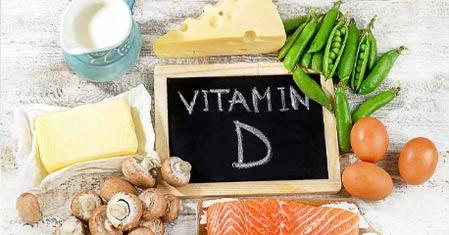
Foods That Contain Vitamin D


Vitamin D: Why is it so important and how to get it?

Before we look at the connection between vitamin D and kratom, let's first clarify why this substance is so crucial for our health. Vitamin D exists in two main forms:

  • Vitamin D3 (cholecalciferol)

  • Vitamin D2 (ergocergocalciferol)

While the body can produce D3 on its own when exposed to UVB radiation on the skin, D2 comes exclusively from plant sources, such as mushrooms or fortified foods. Therefore, especially in the winter months or during low sun exposure, it is important to supplement vitamin D from more than just animal sources.

Vitamin D is not just a "sunshine vitamin", it plays a key role in regulating the immune system, supports calcium absorption for healthy bones and muscles, and affects our mood and energy levels. A vitamin D deficiency is surprisingly common, especially during winter months when there is little sunshine.

Did you know... 

ico-knihaUp to 60% of the human population suffers from a vitamin D deficiency?

So how can you replenish it? As mentioned, the best natural source is sunlight – the body can synthesize it partially on its own when exposed to UVB rays. This way of supplementing vitamin D is great primarily in the summer when days are long and full of sunshine. However, if you don't expose yourself to the sun very often, it pays off to reach for a quality food supplement or focus on a balanced diet. In which foods can you find vitamin D?

Food sources of vitamin D

If you don't have the opportunity to draw vitamin D from the sun right now, you can also replenish it through food. Among the best sources are:

  • Fatty fish – salmon, mackerel, sardines, tuna

  • Egg yolks – a natural source of vitamin D, great for breakfast

  • Dairy products – fortified milk, yogurts, and cheeses

  • Plant alternatives – soy, almond, and oat milk fortified with vitamin D (a perfect choice for vegans)

  • Mushrooms – especially those exposed to UV radiation, such as shiitake or portobello

  • Beef liver – a less popular source, but rich in vitamin D and other important nutrients

The Difference Between Kratom and Vitamin D

Kratom and vitamin D: How are they connected?

Although there are no direct studies yet on the interaction of vitamin D and kratom, several conclusions can be drawn based on the known metabolism of both substances. Vitamin D can influence the effects of various natural substances, including kratom. Proper vitamin D levels support nervous system function and hormonal balance, which can indirectly affect how the body responds to the alkaloids contained in kratom.

Kratom metabolism takes place mainly in the liver, where alkaloids like mitragynine are converted into active forms that subsequently act on receptors in the brain. Vitamin D may play an indirect role by influencing the function of liver enzymes and the absorption of certain substances. A vitamin D deficiency can slow down metabolism and thus affect how quickly and intensely kratom works.

Article TIP 

ico-knihaInterested in learning more about how kratom affects the liver? Read our article: Kratom and Its Effects on the Liver – How Does It Affect Digestion?

Vitamin D and mood – Can it influence the feelings associated with kratom use?

Kratom is popular thanks to its impact on energy, focus, and mood. Interestingly, vitamin D has a similar effect – its sufficient level is associated with a better mood, lower stress levels, and higher mental resilience.

Conversely, its deficiency can lead to fatigue, irritability, and even depressive states. Therefore, if you use kratom for mental well-being or energy support, sufficient vitamin D levels can be a key factor in maximizing its effects.

How to properly combine kratom and vitamin D for maximum effect?

Given that vitamin D plays a role in metabolism and the nervous system, combining it with kratom can be useful. At Kratomuj, we bring you tips on how to do it right:

  • Don't forget regular vitamin D intake – if you know you suffer from a deficiency, focus on foods rich in vitamin D or suitable supplements.

  • Dose smartly – while vitamin D is stored in fatty tissue and its levels increase gradually, kratom works much faster. This means that if you take both, the effect of vitamin D manifests long-term, whereas kratom has a more immediate effect.

  • Support absorption – vitamin D is fat-soluble, so if you take supplements, it is ideal to combine them with food containing healthy fats, such as nuts, avocado, or olive oil.

  • Maintain an overall healthy lifestyle – both kratom and vitamin D have a significant impact on mental and physical well-being. You will achieve the best results by adding a balanced diet, plenty of movement, and quality sleep to the mix.

How to recognize a vitamin D deficiency?

It might seem like ordinary fatigue or a worse mood, but in reality, it can be a sign that your body lacks vitamin D. Its deficiency manifests subtly yet affects many processes in the organism – from energy to immunity.

Symptoms of vitamin D deficiency:

  • Constant fatigue and a feeling of exhaustion
  • Muscle weakness or frequent muscle and joint pain
  • Worsened mood, irritability, or tendencies toward depression
  • Reduced immunity and more frequent colds
  • Long wound healing times or frequent inflammations

How to test your vitamin D levels?

If you notice any of these symptoms, it is not a bad idea to have your vitamin D levels measured. The simplest method is a blood test, which can be done at your general practitioner's office or in a private laboratory. The ideal blood level ranges between 75–150 nmol/l; lower values may indicate the need for supplementation or a lifestyle adjustment.

Recommended daily dose of vitamin D

How much vitamin D do we actually need? The recommended daily intake varies according to age, lifestyle, and season. While in summer most people can manage with a stay in the sun, in winter months supplementing vitamin D is often essential.

TIP 

ico-tipIf you want to get vitamin D naturally, spending 15–30 minutes in the sun daily (especially in spring and summer) can cover your daily requirement.

Recommended Daily Allowances (RDA) for vitamin D:

  • Adults under 70 years – 600–800 IU
  • Seniors over 70 years – 800–1000 IU

This dosage ensures the prevention of rickets, but to ensure other essential bodily functions, it is better to increase the dosage. Experts agree that a safe long-term intake for adults ranges around 2000–4000 IU daily. In case of a significant deficit, higher doses can be taken short-term, but always under medical supervision.

You may have never thought that vitamin D could influence how you feel after taking kratom. But the body functions as a perfectly connected ecosystem; when key elements are missing, the overall effect can change significantly. Proper vitamin D levels influence not only immunity and mood, but also how your body processes the substances you supply it with, including kratom alkaloids.

So if you want to get the most out of kratom, focus not only on proper dosing but also on overall support for your organism. Smart sun exposure, a varied diet, and quality food supplements can be that small detail that makes a big difference. And while we're on the subject, when was the last time you were out in the sun? It might be time to take a break, go for a walk, and let your body soak in a dose of natural vitamin D.

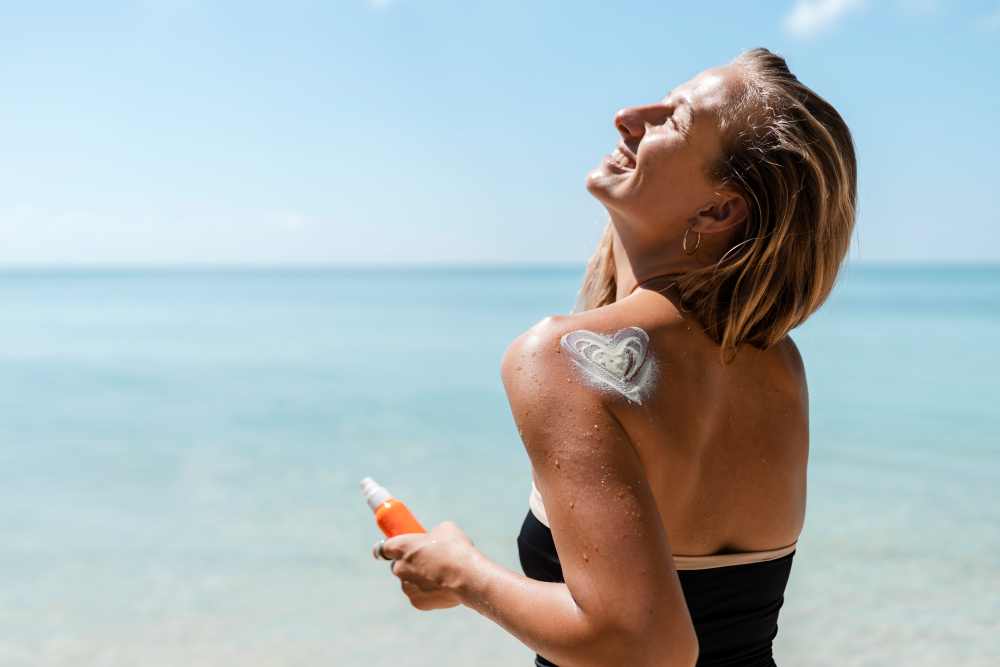
Vitamin D by the Sea and a Woman Applying Sunscreen

Frequently asked questions

Why are vitamin D3 and K2 often combined in supplements?

Vitamins D3 and K2 are often combined because D3 promotes calcium absorption into the blood, while K2 helps direct calcium into bones and teeth and prevents its accumulation in blood vessels. Together, they thus support bone and cardiovascular health.

Can I risk a vitamin D overdose?

Yes, a vitamin D overdose is possible, but it happens quite rarely and mostly only during long-term use of extremely high doses (above 10,000 IU daily). Since vitamin D is fat-soluble, it can accumulate in the body and lead to hypercalcemia (excess calcium in the blood). This can cause nausea, weakness, kidney stones, or in extreme cases, organ damage. A safe daily intake for adults is usually 2000–4000 IU; with higher doses, it is a good idea to consult supplementation with a doctor.

Disclaimer 

This article is for informational purposes only and does not replace professional medical or addiction-related consultation. It does not contain recommendations regarding dosage or frequency of use. Kratom is intended strictly for adults aged 18 and over. Do not use it during pregnancy, while breastfeeding, in combination with alcohol or medication, or before driving vehicles.

Sources

PMC. Translating Kratom-Drug Interactions: From Bedside to Bench and Back [online]. Available from: https://pmc.ncbi.nlm.nih.gov/articles/PMC10353077/

AGEL Lékárna. Vitamín D – proč je důležitý a kdy ho doplňovat? [online]. Available from: https://lekarna.agel.cz/o-nas/novinky/220509-vitamin-d

Healthline. Your Guide to Vitamin D Benefits [online]. Available from: https://www.healthline.com/health/food-nutrition/benefits-vitamin-d

Trime. Kolik vitamínu D potřebujete a co vše má vliv na jeho hladinu v organismu? [online]. Available from: https://trime.cz/blogs/news/kolik-vitaminu-d-potrebujete-a-co-vse-ma-vliv-na-jeho-hladinu-v-organismu


How to properly store Kratom and How to Tell When It Is Spoiled

As you already know, kratom is a natural product and a psychomodulatory substance. Whether you use it to improve your mood, enhance focus, or promote relaxation, it shares one common trait: it is sensitive to its environment. If stored incorrectly, it can quickly lose its potency, change its aroma, or even become harmful to your health. In this article, we will show you how to properly store kratom, how to tell when it is no longer good, and what risks you face if you underestimate its freshness.

`how_to_properly_store_kratom_and_how_to_tell_when_it_is_spoiled`


Why Kratom Is Sensitive to Its Environment

Kratom is a natural product, and much like herbs or high-quality tea, it is sensitive to where and how you store it. When exposed to poor conditions, it gradually begins to lose its potency and, in extreme cases, can even become unsafe for consumption. What affects it the most?

  • Light and heat – If kratom is left in direct sunlight or a warm room, its active compounds (alkaloids) begin to break down. The result? The powder may look the same, but its effects will be weaker than you are used to.

  • Humidity – Kratom loves a dry environment. When moisture reaches it, the powder begins to clump together, and mold easily forms. Mold is a definitive reason never to use kratom.

  • Air (oxidation) – Frequent contact with air leads to slow oxidation. The powder may change color, lose its typical earthy aroma, and the effects of kratom will no longer be as intense.

TIP 

ico-tipThink of kratom like fresh herbs – the more you protect it from light, moisture, and air, the longer it will stay fresh and potent.

Proper Kratom Storage Conditions

Proper kratom storage is not just a minor detail. Kratom powder contains dozens of active alkaloids that react to their environment. When exposed to poor conditions, they undergo gradual degradation, causing kratom to lose its potency, change its taste, and, in worse cases, become unsuitable for use. So, what does an environment that keeps kratom high-quality for as long as possible look like?

Temperature: A Cool Environment

Kratom likes stability. Room temperature between 15–20 °C (59–68 °F) suits it best. Higher temperatures accelerate chemical reactions in the powder and lead to a faster breakdown of active substances, especially mitragynine. This means that even if the kratom looks identical, its effects will be weaker. When alkaloids break down, kratom no longer works the way you are used to, and instead of a reliable, high-quality result, you get a dull powder with no effect.

Humidity: The Biggest Enemy of Herbs

The ideal humidity for storing kratom powder is below 60%. As soon as humidity rises, the powder begins to clump, and the risk of mold or bacterial growth increases. These can be hazardous to health, and contaminated kratom must always be thrown away. Humidity creates an environment where microbes thrive. And because it is a direct product of nature, it contains no preservatives to prevent this.

TIP

ico-tipBuying a larger package of kratom? Split it into smaller portions. This way, you will only open what you are currently consuming, and the rest will stay fresh.

Light: UV Radiation

Direct light, and especially UV radiation, affects alkaloids similarly to tea or coffee, gradually breaking them down. The powder loses its typical greenish-brown color, aroma, and effects. Therefore, if you store kratom in a transparent container in a bright spot, expect its shelf life to be shortened by months.

Air: Less Oxygen = Longer Freshness

Oxidation is a natural process where air (oxygen) reacts with alkaloids. The result is a gradual lightening of the powder, a change in aroma, and a loss of potency. A simple rule applies here: the less air in the package, the better.

Fun Fact 

ico-knihaThe ideal humidity for storing kratom powder is under 60%. You don't need a measuring device at home; just keep in mind that the storage spot should be dry, much like where you store flour or herbs.

What Packaging Is Best and How to Store Different Forms of Kratom

The right packaging is almost as important for kratom as the storage conditions themselves. If you choose an unsuitable material, the powder can rapidly lose its potency or even absorb surrounding odors. And since kratom is sold in various forms, from powder to tablets or extracts, each form requires different storage conditions.

1. Glass Jars with Tight Seals

For long-term storage, glass jars with tightly sealing lids are an absolute classic. Glass does not absorb odors and protects the contents from both moisture and air. If you use dark glass, you also gain protection against light.

2. Zip-Lock Bags and Vacuum Packaging

If you are storing smaller doses, zip-lock bags or, even better, vacuum packaging are entirely sufficient. The powder is protected from air inside them, and you can easily portion your supplies so that you only open what you currently need.

What you should definitely avoid using:

  • Regular plastic bags – They are not airtight and tear easily.

  • Paper packaging and boxes – They absorb both moisture and odors.

  • Kitchen containers without seals – The powder quickly oxidizes and loses its potency.

Glass, zip-lock bags, or vacuum—there are plenty of ways to store kratom. However, what works for powder may not be ideal for capsules or extracts. So how should you store individual forms of kratom to keep them fresh for as long as possible?

  • Kratom powder – The most sensitive form of kratom. Always store it airtight, dry, and dark. If you purchase a larger package, divide it into smaller portions and open them progressively.

  • Kratom tablets and capsules – They are protected by a gelatin or plant-based casing, but moisture can easily harm them. Therefore, treat them just like dietary supplements: dry place, room temperature, zero moisture.

  • Kratom extracts – They are even more sensitive to light and temperature. They are best kept in dark bottles in a cooler place.

signs_of_spoiled_kratom

How to Tell If Kratom Is Spoiled or Harmful

Because the question "Is kratom harmful?" frequently arises, the answer is: yes, it can be, but only if it is contaminated, moldy, or significantly degraded. What should you watch out for during an inspection?

  • Color – Fresh kratom typically has a deep green to greenish-brown shade. If it starts turning gray or brown, it is a sign of oxidation or poor storage. Such kratom has already lost some of its active substances, and its quality is lower.

  • Aroma – Every strain of kratom has its characteristic, earthy scent. If you instead smell a musty, moldy, or chemical odor, throw it away immediately. Such kratom may be contaminated and pose a health risk.

  • Texture – Fine powder should remain loose and powdery. If it is sticky, forms lumps, or shows signs of moisture, it means water got into the package. And moisture = an ideal environment for mold or bacteria.

  • Effects – One of the simplest indicators is your own experience. If you find that a dose that used to work is suddenly significantly weaker or has different effects than usual, its quality has likely declined.

What Risks Are Associated with Poorly Stored Kratom

Kratom is a natural product, and for that very reason, it deserves the same care as herbs, teas, or dietary supplements. People often ask whether kratom is harmful – the answer is: high-quality and properly stored kratom is not. But poorly stored kratom can bring complications that are definitely not worth the experiment.

When moisture gets into the package, the powder becomes a breeding ground for mold and bacteria. The result? Unpleasant digestive issues that can resemble food poisoning, such as:

  • Nausea
  • Abdominal pain
  • Diarrhea
  • Vomiting

Active substances (alkaloids) are not immortal. When exposed to prolonged heat, light, or air, alkaloids gradually break down. This means that instead of the expected effect, only weakness, fatigue, or irritability arrives; in a worse case, kratom can trigger an unpredictable reaction because the ratio of substances is no longer the same as in fresh powder.

Proper kratom storage is not rocket science; you just need to keep four basic rules in mind: darkness, dryness, coolness, and minimal air. Conversely, spoiled or improperly stored kratom can turn from a helper into a risk, which is definitely not worth it. Remember, your kratom is only as good as its origin and storage. Therefore, always choose a verified vendor with laboratory tests and a transparent approach.

kratom_tablets_and_kratom_powder_how_to_store_them_properly

Frequently Asked Questions

Can kratom go bad?

Yes, kratom can go bad just like herbs or tea. If stored improperly, it loses its potency, changes color and aroma, and can even become hazardous to health due to mold or bacteria. Therefore, it is always better to throw kratom away if it looks suspicious rather than risk health complications.

How do I tell the difference between weaker and spoiled kratom?

Weaker kratom is usually just older or stored longer; the effects are milder, but the product is not outright harmful. However, spoiled kratom exhibits other warning signs in addition to weaker effects: color change, a musty or moldy odor, and a lumpy structure. Do not use such kratom.

Disclaimer 

This article is for informational purposes only and does not replace professional medical or addiction-related consultation. It does not contain recommendations regarding dosage or frequency of use. Kratom is intended strictly for adults aged 18 and over. Do not use it during pregnancy, while breastfeeding, in combination with alcohol or medication, or before driving vehicles.

Sources


Kratom for Sleep – Red Kratom

Do you return home late from work, looking forward to rest, only to find your mind racing with everything you didn't get done? Do you wake up tired and unrefreshed every single day? You are not alone; many people suffer from insomnia and interrupted sleep. Insomnia or a lack of quality sleep can have a significant impact on both physical and mental health. While some reach for medication, others look for natural alternatives. Discover kratom for sleep as a path to a calmer and better night's rest.

`kratom_for_sleep_woman_resting_her_head_on_a_table`


What Is Kratom?

The Mitragyna speciosa plant originates from Southeast Asia and is known for its stimulating effects. These include euphoria, increased motivation, higher energy, and pain relief, depending on the specific strain of kratom chosen. The plant can also help with overall relaxation, improved concentration, and sleep support. These effects are caused by the high content of mitragynine and other alkaloids in kratom.

Article Tip 

ico-tipInterested in more about what kratom is, what it does, its effects, and dosage? You can learn everything in our article: What Is Kratom?

How to Use Kratom for Better Sleep

Did you know that nearly 50 million adults worldwide suffer from chronic pain, which often leads to insomnia? Kratom represents an alternative for alleviating these issues. Why choose kratom?

  • Alleviates pain

  • Reduces stress and anxiety

  • Promotes quality sleep

  • Relaxes both body and mind

The Best Kratom for Sleep and Relaxation

The most suitable kratom strain for sleep support is red kratom. It contains the highest concentration of alkaloids that depress the central nervous system, relax the mind and body, and promote peaceful sleep.

Red kratom induces peaceful sleep and relaxation and is frequently sought after and used to alleviate stress and anxiety, making it a great choice for creating a calm environment for sleep. If you do not want to spend time measuring out powder, you can take advantage of easier dosing in the form of tablets. Tablets offer the same effects as powder kratom.

man_sleeping_peacefully_in_his_bedroom_with_kratom

Dosage and Taste of Red Kratom

For easy and convenient consumption, kratom is produced in the form of tablets and powder. Either option is suitable when using kratom for sleep. The optimal time to use kratom before bedtime is 1–2 hours.

Red Kratom for Sleep

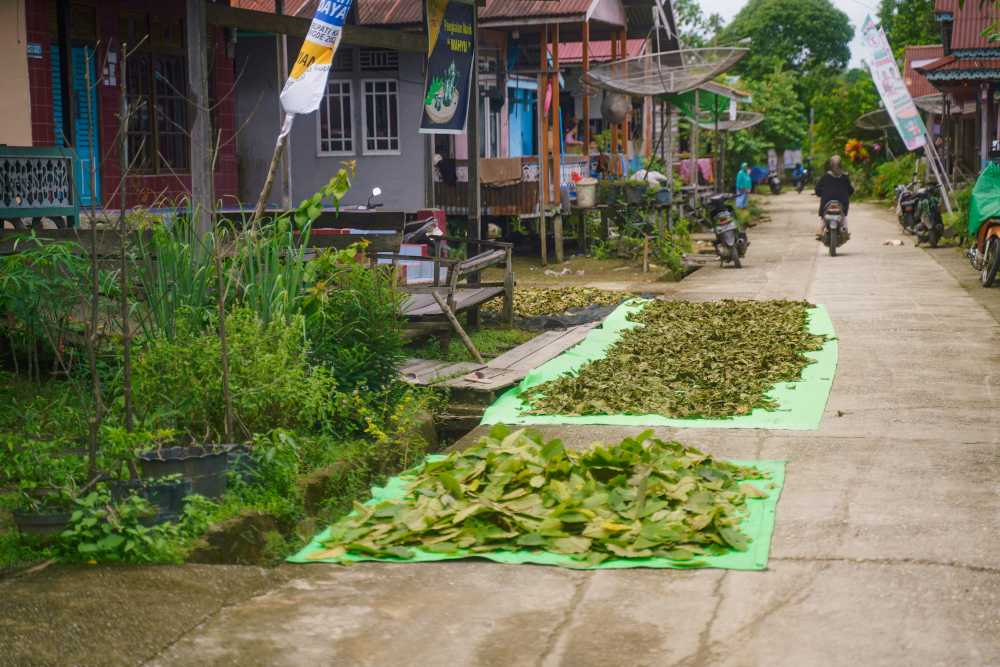
Red kratom is dried significantly longer than green or white kratom, and this process has its specifics. In most cases, weather permitting, it is dried outdoors in the sun on a special tarp laid on a concrete pad protected from unwanted influences such as animals or dirt. Unlike unprofessional suppliers who often dry kratom in open spaces without protection, our process is thoroughly controlled to prevent leaf contamination. Red kratom is sun-dried for 3–4 days, always for 12 hours a day, and if the weather is unfavorable, a greenhouse drying method is combined, lasting 2–3 days for 12 hours each day. These methods are combined with one another.

Through this drying process, there is a slight decrease in the content of the active alkaloid mitragynine and an increase in other alkaloids; therefore, it is possible to consume a double dose of red kratom compared to green or white, which have high contents of active mitragynine. A higher dose of 5–10 g of red kratom has strong analgesic and relaxing effects.

The average dose for experienced red kratom users corresponds to 3 g of kratom = 1 teaspoon. If you are just starting with kratom, use a half dose of 1–1.5 g. Dosage is individual, which is why it is important to start gradually. Do not exceed a daily dose of 10 g to minimize the risk of developing a dependency.

`kratom_powder_and_tablets_correct_dosage_in_glasses`

Kratom Tablets

Taking tablets is the easiest way to consume a dose of kratom before sleep. The effects of the tablets manifest in 30–60 minutes because they dissolve only once they reach the digestive tract. Therefore, the onset of the effect is slower than with the powder form. One tablet corresponds to 0.95 g of powder kratom.

3 Tips for Better Sleep

Insomnia can lead to exhaustion associated with a lack of energy, concentration, and motivation. These symptoms can affect your mood as well as your physical and mental health.

Other symptoms of insomnia include:

  • Difficulty concentrating

  • Drowsiness, headaches, and fatigue

  • Irritability

  • Depression, anxiety, hallucinations

1. Don't Eat Before Bedtime

It is advisable to avoid heavy meals at least two hours before going to bed. The main culprit hindering quality sleep is the stimulant sugar. Sugar causes an energy spike and can lead to sleep troubles. Ensure your diet contains enough minerals and vitamins. In particular, an adequate intake of Vitamin B and magnesium can help resolve sleep problems.

2. Plan Your Bedtime

Create an evening routine. One of the most important things is to keep your sleep consistent. Try to sleep at least 8 hours every day. If your work allows, try to wake up at the same time every day, even on weekends. This also applies to falling asleep; plan when you will go to sleep. Sleep time should be adapted to your circadian rhythm.

3. Meditate

Meditation can help you calm your mind, reduce stress, tension, and anxiety. Put your mobile phone away at least one hour before bed to limit electromagnetic radiation. Instead, read a book or listen to calming/relaxing music. You can also try deep breathing. Regular ten-minute meditation before sleep can lead to overall calming of the organism and improved sleep quality. Including any form of meditation in your life before bed can create a signal for your mind and body that it is time to sleep.

`spoon_filled_with_fine_kratom_powder`

Frequently Asked Questions about Kratom for Sleep

Is it suitable to use kratom for sleep during pregnancy or while breastfeeding?

We do not recommend using kratom during pregnancy or while breastfeeding. Instead, you might consider using lavender or rosemary, which have relaxing properties and can contribute to inducing peaceful sleep.

How quickly does kratom start to work?

With standard dosing, the effect of kratom manifests depending on the form used. In the case of tablets, the effect begins within one hour at the latest because kratom tablets are activated only in the digestive tract. The effects of the powder form of kratom appear within 15–30 minutes. The speed of the effect can vary individually for every person.

Disclaimer 

This article is for informational purposes only and does not replace professional medical or addiction-related consultation. It does not contain recommendations regarding dosage or frequency of use. Kratom is intended strictly for adults aged 18 and over. Do not use it during pregnancy, while breastfeeding, in combination with alcohol or medication, or before driving vehicles.

Sources

KRATOM. Kratom For Sleep: Different Strains & Their Effects [online]. Available at: https://www.healthline.com/health/depression/kratom-for-depression

HEALTHLINE. Can You Use Kratom for Depression and Anxiety? [online]. Available at: https://www.healthline.com/health/depression/kratom-for-depression


White Kratom – Effects and Dosage

White kratom has stimulating effects. It provides a great kick, improves mood, and helps you manage even the most demanding tasks. Because of its effects, it is popular not only among working professionals but also among students who are looking for a way to achieve better focus while studying. What is white kratom best for, and how should it be dosed correctly? Read on to find out why it is gaining increasing popularity and how to best use it to your advantage.

`white_kratom_effects_and_kratom_leaves`


Everything you Need to Know about White Kratom

Are you looking for an answer as to what white kratom is used for and why it is so unique? Then you are in the right place. White kratom gains its exceptionality not only thanks to a specific drying method but also due to where and how it is grown.

White kratom leaves originate from the tropical regions along the Kapuas River, the longest river in Indonesia. This region offers ideal conditions for the growth of kratom trees thanks to its rich soil. Local farmers, who often live in floating houses, care for the trees with extraordinary diligence, harvesting the leaves only after 50–60 days of maturation – much later than other growers. This longer cycle ensures a high content of active alkaloids.

Effects of White Kratom – Energy and Focus

White kratom is popular primarily for its stimulating and energizing effects. The main benefits include:

  • Increase in energy and reduction of fatigue – It naturally increases energy and vitality, which you will appreciate during long work days or demanding activities.

  • Support for concentration – It improves concentration and mental clarity, making it a suitable choice for students and professionals who need to be maximally productive, e.g., at work.

  • Mild mood improvement – It helps alleviate stress and tension, thereby creating a better mood and a feeling of well-being.

  • Support for motivation and performance increase – It encourages motivation and improves both physical and mental performance. Whether it is work, sports, or studying, white kratom will encourage you to achieve better results.

How to Correctly Dose White Kratom? Tips for Beginners and Advanced Users

The dosage of white kratom is individual, but there are general recommendations that will help you achieve the best results.

  • For beginners, we recommend starting with a dose of 1 gram, which is suitable for safely testing the effects and minimizing the risk of an overly strong reaction.

  • For advanced users who already have experience with kratom, we recommend increasing the dose to 3 to 5 grams. Such a dose provides more pronounced effects of kratom, increased energy, focus, or mood improvement.

white_kratom_tablets

Practical tips for the safe use of kratom

1. Start with a lower dose

If you are just starting with kratom or trying a new variety, start with a lower dose, such as 1 gram. You can gradually increase the dose once you determine how your body reacts to kratom.

2. Don't forget about hydration

Kratom can be slightly dehydrating, which is why it is important to drink enough water throughout the day.

3. Find your own dosage

Kratom can react individually for everyone, just like various herbs. Adapt the dosage to your needs. Do not exceed the recommended amount—for more experienced users, this can be 3–5 grams (per dose).

4. Listen to your body

Do you feel that kratom isn't working as it should, or are you noticing side effects? Try taking a break. We recommend skipping kratom at least once a week so your body can rest.

Why is Laboratory Testing of Kratom Important?

Laboratory testing is an essential step for ensuring the safety and quality of kratom. Testing can reveal the presence of undesirable substances. The process is not just a formality but a necessary measure that allows us to guarantee that our kratom is pure, safe, and contains the maximum amount of active substances you will find on the market.

What do we test in the laboratory?

At Kratomuj, we pride ourselves on the top quality of every package. That is why we conduct detailed laboratory tests that include:

  • Microbiological tests – We verify that the kratom contains no harmful bacteria or molds that could be hazardous to health.

  • Heavy metal testing – We monitor the presence of metals (lead, mercury, or arsenic) so that the kratom is safe even with regular use.

  • Content of active alkaloids – We analyze the level of active alkaloids, such as mitragynine and 7-hydroxymitragynine, to ensure their highest concentration.

Our approach distinguishes us from many other sellers who often underestimate testing or cooperate with unverified suppliers.

Did you know…

ico-knihaThe owner of Kratomuj, Ondřej Tanistra, ensures that every gram of kratom undergoes careful laboratory testing? Unlike many other sellers who often buy kratom from unverified suppliers, we cooperate only with a single, long-term verified supplier. Thanks to this, you can be sure that our kratom is the best choice on the market!

Whether you have a demanding workday ahead, long study hours, or just need to kick-start your motivation, white kratom can be a great supplement. White kratom can be an aid in handling a demanding day, recharging with enough energy, or improving your productivity. Its gentle but effective stimulating properties will support you in your everyday challenges.

kratom_from_an_indonesian_producer_inspected_by_the_kratomuj_owner

Frequently Asked Questions

What are user experiences with white kratom?

Users of white kratom often describe to us that it helps them stay productive and focused throughout the day. They highlight mainly its ability to provide natural energy without the unpleasant fluctuations that caffeine sometimes brings.

What is the difference between white and red kratom?

The main difference lies in the effects. White kratom stimulates and increases focus. It is suitable for morning or daytime use when you need energy. Red kratom, on the other hand, relaxes, relieves stress, and supports quality sleep. It is more suitable for the evening or moments when you need relaxation. Each type has its advantages, and it depends on what effect you are looking for.

Disclaimer

This article is for informational and educational purposes only. It does not constitute a recommendation for the consumption of kratom or other psychoactive substances. Kratom is classified as a psychomodulating substance, and products containing it are not intended for persons under 18 years of age. Do not use during pregnancy or breastfeeding, or in combination with alcohol, nicotine, medications, or other psychoactive substances.


Red Kratom – Effects and Dosage

Red kratom has gained popularity worldwide thanks to its relaxing and soothing effects. What sets it apart from other strains? Its secret lies in a unique, prolonged sun-drying process that imparts distinct characteristics, making it the ideal choice for anyone looking for a natural way to support their health and well-being. Read on to discover why red kratom might be exactly what you are looking for.

`high_quality_red_kratom_powder_and_tablets_effects_and_dosage_kratomuj`

div class="obsah-clanku"> 

Everything You Need to Know About Red Kratom

If you are wondering what makes red kratom so unique, the answer is simple: a longer drying time! Yes, red kratom is the only variety that undergoes this process, and that is precisely what gives it its characteristic traits. But how does it all work?

It all begins with hand-harvesting kratom leaves that are 50 to 60 days old. The leaves are carefully cleaned of any impurities, separated from the stems, and sorted to ensure that only the healthiest leaves move on to the next step. These leaves are then gently moistened and sealed in special containers where the magic happens – fermentation!

Processing of Red Kratom

Red kratom is characterized by an extended drying and fermentation process that alters its chemical composition. Processing combines three different methods to ensure optimal quality.

The first method is sun drying, where the leaves are piled in large quantities on top of each other and laid out on tarps on a concrete pad protected against contamination. This process takes 3 to 4 days, with the leaves exposed to sunlight for 12 hours each day. If the weather does not permit sun drying, the process shifts to the second method – greenhouse drying. Here, the leaves are placed on racks and dried for 2 to 3 days, roughly 12 hours a day.

The third, innovative method is steam-assisted fermentation, which starts by placing the leaves into a wooden basket over a pot of boiling water. The steam exposure lasts approximately 20 minutes, after which the leaves are moved to the sun or a greenhouse to dry for another 5 to 10 hours. This method is not only gentle but also accelerates the entire process while ensuring high quality in the final product. Combining these three methods yields top-quality red kratom with balanced effects and an optimal alkaloid profile.

Artical Tip 

ico-knihaIf you are curious about how the entire process unfolds, from harvest to final product, and what goes into achieving the highest quality kratom, read our article: The Processing of Our Kratom: The Phases Ensuring the Highest Quality.

Analgesic effects are largely driven by the alkaloid 7-hydroxymitragynine. This specific alkaloid is present in higher concentrations in red kratom than in green or white kratom. While mitragynine, the primary alkaloid in kratom, is found in smaller amounts in red kratom, 7-hydroxymitragynine effectively acts as a potent analgesic.

premium_quality_kratom_in_europe_from_an_exclusive_indonesian_supplier

Effects of Red Kratom

Red kratom is sought after for its diverse effects, which include:

  • Inducing quality sleep – Red kratom for sleep is popular due to its strong sedative properties, helping to induce deep and restful rest.

  • Relief from acute and chronic pain – Red kratom effectively alleviates various types of pain, including chronic and acute muscle, tooth, and joint pain.

  • Reduction of anxiety and depression – Thanks to its calming traits, red kratom helps lower anxiety, depression, and stress, contributing to an improved mood.

  • Muscle tension relief – Users frequently report reduced muscle tension and faster recovery after physical activity.

  • Mood enhancement – Many people report an improvement in overall well-being and mood after taking red kratom.

How to Properly Dose Red Kratom

For those already familiar with kratom, a common recommended dose is approximately 3 grams, which corresponds to one teaspoon. To achieve a stronger effect, you can take kratom on an empty stomach, though beginners should skip this method. If you are just starting with kratom, it is better to take it between meals and begin with a smaller dose of 1.5 grams, which is roughly half a teaspoon.

To achieve stronger analgesic pain-relief effects, a higher red kratom dose ranging from 5 to 10 grams is appropriate. This larger dose is recommended because the prolonged drying process reduces the content of the active substance mitragynine while significantly shifting the overall effects compared to other strains. However, this dosage is best suited for those with ample experience using kratom. Whether you are a complete beginner or an experienced user, choosing the right red kratom dosage is crucial.

Practical Kratom Packaging Tip 

ico-tipNot a fan of measuring powder? Try our premium kratom tablets in convenient packaging. No spoons, no mess – just simple usage on the go or when you don't want to waste time.

You wanted to know what red kratom is best for? It's simple – for calming down, pain relief, better sleep, muscle tension release, and mood improvement! So whether you need some peace after a demanding day or are looking for a way to finally get a good night's sleep, red kratom can be a great companion. Now you know why red kratom is so popular and what gives it its unique effects. Whatever strain or dosage you choose, primarily enjoy its positive benefits!

how_white_kratom_is_dried_for_kratomuj

Frequently Asked Questions

How do I store red kratom to maintain its freshness?

Store kratom in a cool, dark place, ideally in an airtight container, to preserve its freshness and potency for as long as possible.

What are the differences between red, green, and white kratom?

Red, green, white… Each strain has its own unique effects! Red kratom acts as an aphrodisiac and analgesic, while green kratom is intended for those who want to feel a zest for life, relieve depression, or seek social interaction and talkativeness. White kratom provides a major boost of energy and focus.

Disclaimer 

This article is for informational purposes only and does not replace professional medical or addiction-related consultation. It does not contain recommendations regarding dosage or frequency of use. Kratom is intended strictly for adults aged 18 and over. Do not use it during pregnancy, while breastfeeding, in combination with alcohol or medication, or before driving vehicles.


Where Is Kratom Legal? Kratom Legality in 2026

Last updated: August 2026

In Hungary, kratom is completely legal and freely available, making it a sought-after and easily accessible plant for adult customers. But what if you are planning a vacation abroad? Can you take kratom with you, or would it be wiser to leave it at home? We have created a clear guide to help you find out in which countries kratom is legal so you won't have to worry about packing it in your suitcase. What makes kratom so popular, and is it intended for those 18 and older? Keep in mind that it is always better to verify information before traveling. The legality of kratom changes rapidly in different parts of the world, so you don't want any unpleasant surprises on your vacation.

`is_kratom_legal_and_where`


Is kratom legal in Hungary? 

In Hungary, kratom is completely legal, freely available, and is not subject to any special blanket bans or strict restrictions that would limit its purchase and possession for adult users. The market functions normally, and customers can purchase this plant freely.

What is kratom and where is it legal

Kratom is a tropical plant that is very similar to the coffee tree. Kratom has been used globally for many years for its stimulating and relaxing effects. For centuries, it has been used in the treatment of several ailments. Recently, it has enjoyed immense popularity. Kratom leaves have a wide spectrum of effects, which is why it is sought after by people all over the world.

Where is kratom legal 2026

Is kratom legal in Europe?

International trends in kratom regulation are constantly evolving. European countries that belong to the Union are bound by European Union restrictions. However, the free trade of goods depends on specific countries, and therefore the approach to kratom varies from state to state. In many countries, the status of kratom is similar to that in Hungary; it can be bought without complex restrictions and is not intended for persons under 18 years of age. So, in which European states is kratom legal? 

Where is kratom legal in Europe?

Bosnia and Herzegovina (according to travelers' experiences, problems can occur at the borders here, even though kratom is legal).

In which countries is kratom regulated?

In some countries, kratom use is regulated in various ways, meaning its sale, possession, and use may be limited or subject to certain rules. In these states, kratom is regulated:

Where is kratom regulated in Europe?

Portugal – The sale of kratom is illegal, but importation and possession are not prohibited.

Denmark – Its sale, importation, possession, and use are prohibited unless special permission is granted. It is only available by prescription.

Finland – It is prohibited to import, store, or sell it, but its possession and use are not punishable. It is only available by prescription.

Norway – Its sale, importation, possession, and use are illegal. It is only available by prescription.

Regulation of kratom in the Czech Republic

The purchase of kratom is regulated in the Czech Republic. New measures effective from November 2025, which place kratom on the list of psychomodulatory substances, aim to eradicate uncontrolled sales and ensure that kratom is treated as a substance that requires a responsible approach.

These new regulations also ensure that kratom will be available only to adults aged 18 and older through specialized stores and e-shops with a valid license. So, what is changing? 

Kratom is no longer freely available in vending machines; sales will be permitted only in specialized stores intended exclusively for adults or online through strictly regulated e-shops. Age verification is a part of the sale, similar to alcohol or tobacco products. A part of this regulation is a ban on public advertising in all media, including the internet and press. Furthermore, all sellers who wish to sell kratom must obtain a special permit from the Ministry of Health, which is intended to guarantee that only quality and safe products reach the market.

Kratom is legal here, but strictly regulated as a psychomodulatory substance (PMS). It is available exclusively to persons 18 and older in specialized stores and licensed e-shops with mandatory age verification, a ban on advertising, and restricted packaging.

Where is kratom prohibited (illegal)?

In this list, we arrive at states where kratom is prohibited. In these countries, it is classified among forbidden psychoactive substances that are illegal to use, purchase, or import. Which countries are these?

Where is kratom illegal in Europe?

Belgium (since 2024), Serbia (since 2022), Ukraine (since 2024), Sweden (since March 2025). 

When traveling to your chosen country, please verify the specific situation in that country. Kratom regulations in individual states can change, and extensive discussions are taking place regarding this.

Kratom and its legality worldwide

How is kratom doing in other parts of the world outside of Europe?

USA, North and South America

Where is kratom legal in the world

In the USA, the legal status of kratom varies depending on individual states and local regulations. At the federal level, kratom is legal, meaning it is not classified as a controlled substance under federal laws. Nevertheless, various states and local jurisdictions may have their own regulations. If you plan to use kratom in the USA, it is important to check the current legal status in your chosen state. 

Argentina is currently the only Latin American country that explicitly lists mitragynine as an illegal substance, according to Decree 69/2017.

Asia 

Special conditions may apply to Asia; even if kratom is not banned in some countries, drug laws tend to be strict and highly unstable. Before visiting any country, it is better to consult the legality of kratom with the official authorities of that country or follow the most up-to-date verified information. 

Countries where kratom is more or less legal, but caution is advised:

Where is kratom legal in Asia

China – Although there is no clear regulation regarding kratom or its active ingredients in China, it can be said that importing kratom into this country is probably not the wisest choice due to strict anti-drug laws.

India – Kratom and its main active ingredients are not listed on any official list of prohibited substances. Although it can be said that kratom is not illegal in the country, we recommend caution when entering India with a larger quantity of kratom.

Indonesia – In Indonesia, kratom is legal for local use, but export is strictly regulated. Kratom is not banned, and locals, especially in Kalimantan, commonly consume it as a stimulant similar to coffee. A new regulation from 2024 prohibits the export of kratom in the form of leaves or crushed material but permits the export of finely ground powder, provided it meets strict standards regarding quality, contamination, and permitted additives.

Thailand – Kratom was legalized in Thailand in 2021 and has been subject to regulation since 2022. Its sale, use, import, and export are permitted, but only with a special license issued by the Thai FDA. Since 2024, new regulations for kratom dietary supplements and herbal products have been in effect, setting maximum limits for active substances and specific requirements for safety labeling.

Where is kratom illegal in Asia?

Where is kratom illegal in Asia?

Qatar – Unclear stance, drug policy is strict, but kratom is not specified as illegal.

Syria – There is no specific mention of kratom or its active ingredients in Syrian law. Although kratom is not explicitly listed among prohibited substances, due to strict drug laws, its import into the country is not recommended. Drug legislation here is very strict, and penalties for violations can be harsh, just like in other Muslim countries.

Africa and Australia

Kratom in Africa and Australia

South Africa – Kratom is neither regulated nor listed as a controlled substance.

New Zealand – Kratom is classified as a controlled substance. Its possession and use are permitted only by prescription.

Australia – Kratom and its active ingredients, including mitragynine, are prohibited. It may not be imported, sold, or possessed, with the exception of scientific research.

Egypt – Although neither kratom nor its active ingredients are explicitly listed on the list of prohibited or controlled substances, traveling to this country with kratom is not recommended. Egypt has very strict legislation regarding psychotropic substances and narcotics. Given that kratom is considered illegal in some countries, there is a high risk that if you are detained, it will be automatically classified as a forbidden substance.

Each country differs in its perspective on kratom. In some places, kratom is legal, elsewhere regulated, and in others completely illegal. Regulations tend to be specific. One needs to focus on whether kratom can be legally purchased and possessed without a prescription. The situation regarding kratom changes every day, and food or legal regulations require caution.

Frequently asked questions

Can I take kratom on a plane? 

First, ensure that kratom is legal in the country you plan to visit. If you have a layover, it is important to check the legality in that country as well. I recommend transporting kratom in its original packaging with clear labeling. During security checks, be prepared for questions regarding the purpose of use. If you have a larger quantity, I recommend having purchase receipts or documentation proving that kratom is legal for personal use with you.

What amount of kratom can I transport if it is legal in the country? 

If kratom is legal, it is generally recommended to transport only an amount for personal use, which could be, for example, several dozen grams. A large quantity could be considered an attempt at drug trafficking. During a security check, be prepared to declare the kratom and explain its purpose. It is recommended to have proof of purchase with you.

Is kratom intended for persons 18 and older? 

Yes, kratom is intended only for persons 18 and older. For younger people, pregnant women, and people with certain health issues, the use of kratom is not recommended. It is always important to follow the recommendations regarding safe and responsible use.

Disclaimer 

This article is for informational purposes only and does not replace professional medical or addiction-related consultation. It does not contain recommendations regarding dosage or frequency of use. Do not use it during pregnancy, while breastfeeding, in combination with alcohol or medication, or before driving vehicles.


Sources

VSEOKRATOMU.CZ. Is kratom legal? In the CZ yes, but what about elsewhere in the world? [online]. Available at: Je kratom legální? V ČR ano, ale jinde? - vseokratomu.cz

SZPI.GOV.CZ. What is the situation with new types of food? [online]. Available at: Státní zemědělská a potravinářská inspekce | Jak je to s potravinami nového typu? (gov.cz)

EKA.EU. Legality of Kratom across Europe varies from country to country [online]. Available at: Kratom legality - European Kratom Alliance (eka.eu)

NECTARLEAF.EU. Legality and availability of kratom in Europe [online]. Available at: Legality and availability of kratom in Europe - Nectar Leaf

CT24.CESKATELEVIZE.CZ. Experts are finishing kratom regulation rules. In the Czech Republic, the sale of the addictive substance is currently unlimited [online]. Available at: ▶ Odborníci dokončují pravidla regulace kratomu. V Česku je zatím prodej návykové látky neomezený — ČT24 — Česká televize (ceskatelevize.cz)

KRATOMSCIENCE.EU. Legality of Kratom worldwide varies by region and country [online]. Available at: https://www.kratomscience.eu/kratom-legality/


Mitragynine and Other Alkaloids in Kratom – A Comprehensive Chemical Overview

You likely already know what kratom is. This concept is no longer unknown as it was until recently. Its popularity grows by the day, along with interest in what exactly drives its effects. You may have heard that it is specific precisely because of its mitragynine content, but do you know that kratom leaves conceal many more fascinating compounds? Each alkaloid plays a specific role, and the mutual combination of these compounds determines how kratom affects the body and mind. In this article, we will take an in-depth look at the chemical composition of kratom and explore everything that influences its strength, effects, and variability among individual strains.

mitragynine_and_other_alkaloids_found_in_kratom


Alkaloids as the Key to Effects

At first glance, you see an unassuming plant that harbors genuine chemical wealth. The effects of kratom are not random; behind them lies a unique combination of compounds that together form its specific profile. Alkaloids play the main role here—biologically active substances found in various plants, ranging from coffee and tobacco to poppies. And it is precisely the alkaloids that make kratom distinct from other plants. What is the basic classification of alkaloids?

  • Indole alkaloids – Found in kratom, iboga, or deadly nightshade, frequently affecting the central nervous system.

  • Tropane alkaloids – Typical of jimsonweed or deadly nightshade, affecting muscles and the autonomic nervous system.

  • Ergot alkaloids – Contained in ergot, used in medicine and psychopharmacology.

  • Purine alkaloids – Include well-known stimulants like caffeine and theobromine, supporting alertness and focus.

In kratom, indole and oxindole alkaloids dominate, creating the plant's unique chemical profile together. Mitragynine, speciogynine, or paynantheine work together, and thanks to their balance, each kratom strain has a slightly different effect. Why might two people have different experiences after the exact same dose of kratom? The answer lies in the chemical composition of this plant.

`kratom_powder_and_tablets`

The Main Alkaloid: Mitragynine

The Latin name for kratom, Mitragyna speciosa, is directly tied to its most abundantly represented alkaloid: mitragynine. Due to its unique structure, it affects the body and mind differently than classic stimulants or opioid substances, even though some of its effects can be similar.

How mitragynine acts depends not only on its concentration in the plant but also on dosage and individual organism response. And even though it is very potent on its own, its metabolism plays a key role in how kratom affects a person.

Did you know...

ico-tipMitragynine makes up 60% to 70% of the total alkaloids in kratom? According to a study published in the journal Frontiers in Plant Science, the mitragynine content in dried kratom leaves ranges between 7.5 and 26.6 mg per gram of leaf dry weight, corresponding to up to 69.4% of mitragynine out of the total alkaloid content in certain samples.

How Mitragynine Affects the Body and Mind

The action of mitragynine is atypical for alkaloids; it acts differently depending on the dose, yielding both stimulatory and relaxant effects.

  • In low doses (1–4 g): It acts as a stimulant, similar to caffeine or theobromine from cacao. Users describe increased energy, alertness, better focus, and a euphoric feeling.

  • In higher doses (4–10 g and more): Relaxant and analgesic effects begin to dominate. Mitragynine binds to opioid receptors, but differently than classic opiates—it does not depress respiratory rate, and its mechanism of action differs. People in this phase describe pain relief, muscle relaxation, and overall calming, which is why kratom is popular among those seeking a path to comfort.

Mitragynine affects serotonin and dopamine receptors, which is why it exhibits antidepressant effects and the ability to induce a sense of calm. It can help reduce anxiety, alleviate stress, and support a better mood, while simultaneously causing drowsiness in more sensitive individuals at higher doses. However, mitragynine's influence does not end with its direct action—its conversion within the body is also crucial and can fundamentally affect its efficacy.

Article tip

ico-tipWANT TO LEARN MORE ABOUT KRATOM AND DOSING? We wrote an article for you: What is kratom, how to use it, and what are its effects?

Conversion to 7-Hydroxymitragynine – Why Does It Matter?

When people talk about kratom and its effects, mitragynine usually takes center stage. However, alongside it exists another key alkaloid that is frequently overlooked: 7-hydroxymitragynine (7-OH-MG). Although it is present in kratom leaves in only trace amounts (less than 2%), its potency is striking.

Did you know...

ico-kniha7-hydroxymitragynine is considered 10–20x stronger than mitragynine and up to 40x stronger than morphine when it comes to binding to opioid receptors?

Mitragynine is metabolized in the liver via CYP450 enzymes into 7-hydroxymitragynine, which possesses a much higher affinity for opioid receptors. This biotransformation explains why kratom's effects can persist for several hours and why its relaxation and analgesic components have a stronger effect at higher doses.

What Does This Mean for Kratom Users?

  • Thanks to this strong binding, 7-hydroxymitragynine contributes to pain relief – especially at higher kratom doses, where a greater conversion of mitragynine into 7-OH-MG occurs.

  • People with varying liver metabolism speeds may experience different intensities of effects.

  • The natural amount of 7-hydroxymitragynine in kratom varies by strain, origin, and drying method. For instance, red kratom has substantially higher levels of this alkaloid than white or green.

The binding strength and effect of 7-hydroxymitragynine are frequently discussed in connection with kratom regulation because its binding to opioid receptors stirs controversy. Although studies show its action can be addictive only if used in excessive amounts or isolated, in kratom its concentration is so low that it does not pose the same risk as synthetic opioids.

How kratom affects a person is thus not just about a single alkaloid; it is an interplay between mitragynine, 7-hydroxymitragynine, and other bioactive substances that together create its unique effect.

`active_alkaloids_in_kratom_and_their_processing`

Other Alkaloids and Compounds in Kratom

Our list of substances contained in kratom certainly does not end with mitragynine and 7-hydroxymitragynine. The plant contains dozens of other alkaloids that, while less famous, contribute to the overall effect of individual strains. Some possess relaxing or analgesic properties, while others act on the musculoskeletal and muscular systems. Beyond alkaloids, kratom also contains flavonoids, terpenoids, polyphenols, and glycosides. All these substances together define the effect of kratom powder.

Speciogynine

Speciogynine is the third most abundantly represented alkaloid in kratom leaves. This substance does not act on opioid receptors, but rather binds to receptors influencing muscle relaxation. Studies suggest speciogynine may have spasmolytic effects that help release tension in muscles, thereby mildly easing muscle stiffness. This property could explain why certain red kratom strains exhibit distinctly relaxing effects, even though mitragynine content among them does not fluctuate as much.

Paynantheine

Another alkaloid influencing muscle activity is paynantheine. According to available studies, it exerts a mild muscle-relaxing effect without sedation. Furthermore, numerous studies are investigating paynantheine's impact on blood flow to muscles. This mechanism could explain in the future why some users report that kratom helps them with post-workout muscle regeneration.

Corynantheidine

Have you ever heard that kratom might reduce some effects of opioid substances? Corynantheidine is an interesting alkaloid because, unlike mitragynine, it acts as a weak antagonist ligand at opioid receptors. This property indicates that corynantheidine could play a role in modulating the effects of other alkaloids in kratom and potentially contribute to a lower risk of habituation. However, further studies are needed here as well to confirm this mechanism.

Mitraphylline

Mitraphylline is an alkaloid found not only in kratom but also in other plants from the Rubiaceae family. Studies indicate it may have anti-inflammatory and immunomodulatory properties. According to some sources, mitraphylline participates in reducing inflammatory processes and can help with joint or muscle pain. Its presence in red kratom could be one of the reasons why these varieties are frequently associated with analgesic effects.

`kratom_and_a_detailed_chemical_analysis`

Effects of Kratom – The Alkaloid Combination

Kratom is known for its variability – while one strain acts as a stimulant, another brings relaxation. This difference is not random, stemming instead from the unique combination of alkaloids across individual strains. Kratom's chemical composition depends not only on plant genetics but also on growing and processing conditions. A key role is played by the ratio of main alkaloids, primarily mitragynine, 7-hydroxymitragynine, and other bioactive components. What do individual strains contain?

  • Green Kratom: Contains a higher proportion of mitragynine, which is why it acts primarily as a stimulant, supporting good mood and euphoria.

  • White Kratom: White kratom also features high mitragynine levels, though slightly lower than green. It supports concentration and focus.

  • Red Kratom: Contains a larger quantity of 7-hydroxymitragynine, which is why the effects of red kratom are primarily analgesic and sedative. It is popular for supporting sleep and relieving pain.

The alkaloid combination thus determines not only the strength and character of effects, but also how long they last and how quickly they onset.

The Influence of Climate and Environment on Kratom's Strength

Not only the color of kratom, but also the location where the plant grew has a fundamental impact on its composition. Factors like soil, climate, amount of sunlight, and humidity can influence the resulting concentration of alkaloids in the leaves.

  • Indonesian Kratom – Considered very high quality thanks to higher temperatures and humidity, which support alkaloid production. It grows along the Kapuas River.

  • Thai Kratom – Features a slightly different alkaloid profile; in terms of effects, it is very similar to Indonesian kratom.

  • Malaysian Strains – Tend to be weaker and more balanced, frequently described as long-lasting.

Article tip

ico-tipWant to learn more about how our kratom is produced? We wrote an article for you: Our kratom processing process – Phases that ensure the highest quality.

Another key factor is the harvesting and drying process. Younger leaves typically have a lower proportion of mitragynine, whereas more mature leaves have higher amounts. At Kratomuj, leaves are harvested only after 50–60 days, which is why we consistently maintain some of the highest mitragynine values on the market.


As you probably suspect, kratom is not just about mitragynine and 7-hydroxymitragynine – its effects are the result of a complex set of alkaloids that complement each other and create a unique chemical profile. Each strain has a different composition, and that is precisely what decides whether it will act more as a stimulant or instead bring deep relaxation. There are many factors influencing kratom's strength and action – from plant genetics and growth conditions to the drying method. Therefore, if you are looking for kratom that matches your needs, relying solely on color is not enough – understanding its composition and knowing how individual alkaloids affect body and mind is essential. And that is precisely where its uniqueness lies.

`mitragynine_and_other_alkaloids_in_kratom`

Frequently Asked Questions

Why Is It Important to Know Kratom's Chemical Composition?

If you want to get the exact effect you expect from kratom, understanding its composition is important. Instead of randomly testing different strains, it pays to know which alkaloids determine its effect and choose the correct variety accordingly. Selecting kratom correctly is therefore more science than chance.

How to Choose Quality Kratom Based on Its Composition?

Not all kratom strains are the same, and not all information on the market is accurate. If you want to ensure you are getting a quality product, look for:

  • Origin and Growing Region – Kratom from different areas varies in alkaloid composition.

  • Processing Method – Drying and fermentation affect the ratio of mitragynine and other alkaloids.

  • Laboratory Testing – Quality vendors provide laboratory analyses showing precise alkaloid composition.

  • Personal Experience – Every organism reacts differently, so it pays to start with a lower dose and monitor how a specific strain affects you.

Disclaimer

This article is for informational purposes only and does not replace professional medical or addiction-related consultation. It does not contain recommendations regarding dosage or frequency of use. Kratom is intended strictly for adults aged 18 and over. Do not use it during pregnancy, while breastfeeding, in combination with alcohol or medication, or before driving vehicles.

Sources

Nature. Chemical composition and biological effects of kratom (Mitragyna speciosa): In vitro studies with implications for efficacy and drug interactions [online]. Available from: https://www.nature.com/articles/s41598-020-76119-w

PMC. 7-Hydroxymitragynine Is an Active Metabolite of Mitragynine and a Key Mediator of Its Analgesic Effects [online]. Available from: https://pmc.ncbi.nlm.nih.gov/articles/PMC6598159/

PubMed. Phase I and II metabolites of speciogynine, a diastereomer of the main Kratom alkaloid mitragynine, identified in rat and human urine by liquid chromatography coupled to low- and high-resolution linear ion trap mass spectrometry [online]. Available from: https://pubmed.ncbi.nlm.nih.gov/20967737/

PMC. Activity of Mitragyna speciosa (“Kratom”) Alkaloids at Serotonin Receptors [online]. Available from: https://pmc.ncbi.nlm.nih.gov/articles/PMC9235362/

Frontiers in Pharmacology. Kratom Alkaloids: Interactions With Enzymes, Receptors, and Cellular Barriers [online]. Available from: https://www.frontiersin.org/journals/pharmacology/articles/10.3389/fphar.2021.751656/full

Svet365. Jaké účinné látky se nachází v kratomu? [online]. Available from: https://svet365.cz/jake-ucinne-latky-se-nachazi-v-kratomu/

PubMed. Anti-inflammatory and immunomodulatory effects of mitraphylline [online]. Available from: https://pubmed.ncbi.nlm.nih.gov/22846434/

Bezpečnost potravin. Alkaloidy [online]. Available from: https://bezpecnostpotravin.cz/termin/alkaloidy/


Listing controls

23 items total
Top