
As you already know, kratom is a natural product and a psychomodulatory substance. Whether you use it to improve your mood, enhance focus, or promote relaxation, it shares one common trait: it is sensitive to its environment. If stored incorrectly, it can quickly lose its potency, change its aroma, or even become harmful to your health. In this article, we will show you how to properly store kratom, how to tell when it is no longer good, and what risks you face if you underestimate its freshness.
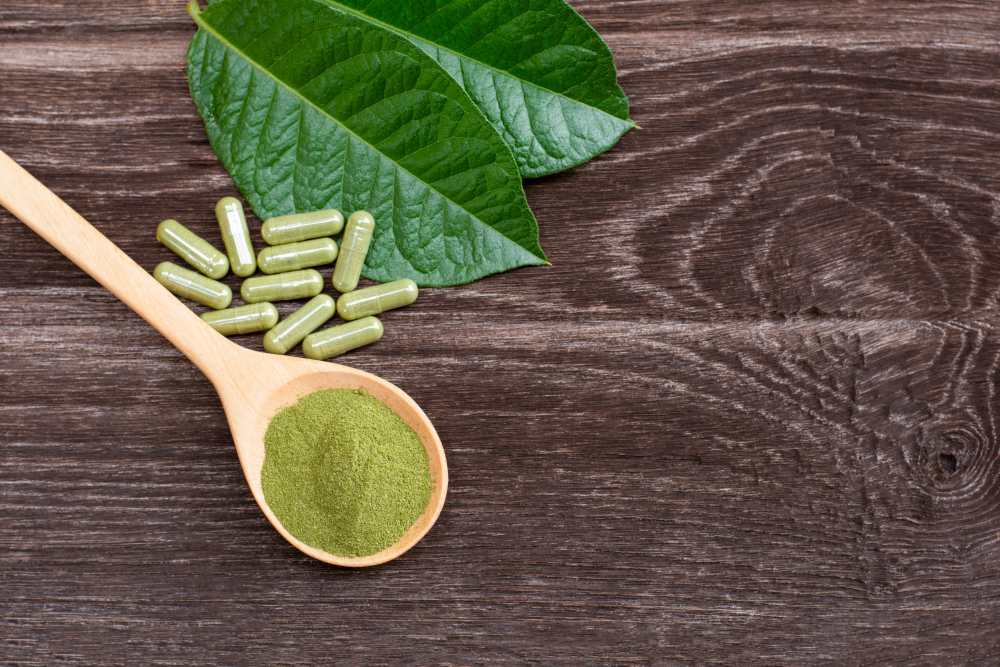
Why Kratom Is Sensitive to Its Environment
Kratom is a natural product, and much like herbs or high-quality tea, it is sensitive to where and how you store it. When exposed to poor conditions, it gradually begins to lose its potency and, in extreme cases, can even become unsafe for consumption. What affects it the most?
- Light and heat – If kratom is left in direct sunlight or a warm room, its active compounds (alkaloids) begin to break down. The result? The powder may look the same, but its effects will be weaker than you are used to.
- Humidity – Kratom loves a dry environment. When moisture reaches it, the powder begins to clump together, and mold easily forms. Mold is a definitive reason never to use kratom.
- Air (oxidation) – Frequent contact with air leads to slow oxidation. The powder may change color, lose its typical earthy aroma, and the effects of kratom will no longer be as intense.
TIP
Think of kratom like fresh herbs – the more you protect it from light, moisture, and air, the longer it will stay fresh and potent.
Proper Kratom Storage Conditions
Proper kratom storage is not just a minor detail. Kratom powder contains dozens of active alkaloids that react to their environment. When exposed to poor conditions, they undergo gradual degradation, causing kratom to lose its potency, change its taste, and, in worse cases, become unsuitable for use. So, what does an environment that keeps kratom high-quality for as long as possible look like?
Temperature: A Cool Environment
Kratom likes stability. Room temperature between 15–20 °C (59–68 °F) suits it best. Higher temperatures accelerate chemical reactions in the powder and lead to a faster breakdown of active substances, especially mitragynine. This means that even if the kratom looks identical, its effects will be weaker. When alkaloids break down, kratom no longer works the way you are used to, and instead of a reliable, high-quality result, you get a dull powder with no effect.
Humidity: The Biggest Enemy of Herbs
The ideal humidity for storing kratom powder is below 60%. As soon as humidity rises, the powder begins to clump, and the risk of mold or bacterial growth increases. These can be hazardous to health, and contaminated kratom must always be thrown away. Humidity creates an environment where microbes thrive. And because it is a direct product of nature, it contains no preservatives to prevent this.
TIP
Light: UV Radiation
Direct light, and especially UV radiation, affects alkaloids similarly to tea or coffee, gradually breaking them down. The powder loses its typical greenish-brown color, aroma, and effects. Therefore, if you store kratom in a transparent container in a bright spot, expect its shelf life to be shortened by months.
Air: Less Oxygen = Longer Freshness
Oxidation is a natural process where air (oxygen) reacts with alkaloids. The result is a gradual lightening of the powder, a change in aroma, and a loss of potency. A simple rule applies here: the less air in the package, the better.
Fun Fact
The ideal humidity for storing kratom powder is under 60%. You don't need a measuring device at home; just keep in mind that the storage spot should be dry, much like where you store flour or herbs.
What Packaging Is Best and How to Store Different Forms of Kratom
The right packaging is almost as important for kratom as the storage conditions themselves. If you choose an unsuitable material, the powder can rapidly lose its potency or even absorb surrounding odors. And since kratom is sold in various forms, from powder to tablets or extracts, each form requires different storage conditions.
1. Glass Jars with Tight Seals
For long-term storage, glass jars with tightly sealing lids are an absolute classic. Glass does not absorb odors and protects the contents from both moisture and air. If you use dark glass, you also gain protection against light.
2. Zip-Lock Bags and Vacuum Packaging
If you are storing smaller doses, zip-lock bags or, even better, vacuum packaging are entirely sufficient. The powder is protected from air inside them, and you can easily portion your supplies so that you only open what you currently need.
What you should definitely avoid using:
- Regular plastic bags – They are not airtight and tear easily.
- Paper packaging and boxes – They absorb both moisture and odors.
- Kitchen containers without seals – The powder quickly oxidizes and loses its potency.
Glass, zip-lock bags, or vacuum—there are plenty of ways to store kratom. However, what works for powder may not be ideal for capsules or extracts. So how should you store individual forms of kratom to keep them fresh for as long as possible?
- Kratom powder – The most sensitive form of kratom. Always store it airtight, dry, and dark. If you purchase a larger package, divide it into smaller portions and open them progressively.
- Kratom tablets and capsules – They are protected by a gelatin or plant-based casing, but moisture can easily harm them. Therefore, treat them just like dietary supplements: dry place, room temperature, zero moisture.
- Kratom extracts – They are even more sensitive to light and temperature. They are best kept in dark bottles in a cooler place.
How to Tell If Kratom Is Spoiled or Harmful
Because the question "Is kratom harmful?" frequently arises, the answer is: yes, it can be, but only if it is contaminated, moldy, or significantly degraded. What should you watch out for during an inspection?
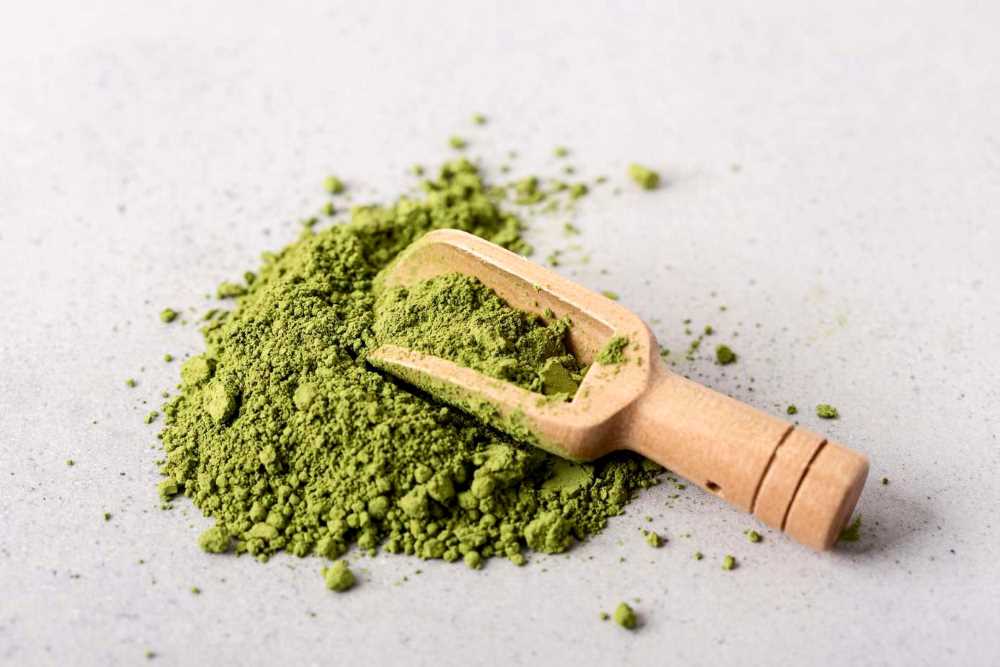
- Color – Fresh kratom typically has a deep green to greenish-brown shade. If it starts turning gray or brown, it is a sign of oxidation or poor storage. Such kratom has already lost some of its active substances, and its quality is lower.
- Aroma – Every strain of kratom has its characteristic, earthy scent. If you instead smell a musty, moldy, or chemical odor, throw it away immediately. Such kratom may be contaminated and pose a health risk.
- Texture – Fine powder should remain loose and powdery. If it is sticky, forms lumps, or shows signs of moisture, it means water got into the package. And moisture = an ideal environment for mold or bacteria.
- Effects – One of the simplest indicators is your own experience. If you find that a dose that used to work is suddenly significantly weaker or has different effects than usual, its quality has likely declined.
What Risks Are Associated with Poorly Stored Kratom
Kratom is a natural product, and for that very reason, it deserves the same care as herbs, teas, or dietary supplements. People often ask whether kratom is harmful – the answer is: high-quality and properly stored kratom is not. But poorly stored kratom can bring complications that are definitely not worth the experiment.
When moisture gets into the package, the powder becomes a breeding ground for mold and bacteria. The result? Unpleasant digestive issues that can resemble food poisoning, such as:
- Nausea
- Abdominal pain
- Diarrhea
- Vomiting
Active substances (alkaloids) are not immortal. When exposed to prolonged heat, light, or air, alkaloids gradually break down. This means that instead of the expected effect, only weakness, fatigue, or irritability arrives; in a worse case, kratom can trigger an unpredictable reaction because the ratio of substances is no longer the same as in fresh powder.
Proper kratom storage is not rocket science; you just need to keep four basic rules in mind: darkness, dryness, coolness, and minimal air. Conversely, spoiled or improperly stored kratom can turn from a helper into a risk, which is definitely not worth it. Remember, your kratom is only as good as its origin and storage. Therefore, always choose a verified vendor with laboratory tests and a transparent approach.
Frequently Asked Questions
Can kratom go bad?
Yes, kratom can go bad just like herbs or tea. If stored improperly, it loses its potency, changes color and aroma, and can even become hazardous to health due to mold or bacteria. Therefore, it is always better to throw kratom away if it looks suspicious rather than risk health complications.
How do I tell the difference between weaker and spoiled kratom?
Weaker kratom is usually just older or stored longer; the effects are milder, but the product is not outright harmful. However, spoiled kratom exhibits other warning signs in addition to weaker effects: color change, a musty or moldy odor, and a lumpy structure. Do not use such kratom.
Disclaimer
This article is for informational purposes only and does not replace professional medical or addiction-related consultation. It does not contain recommendations regarding dosage or frequency of use. Kratom is intended strictly for adults aged 18 and over. Do not use it during pregnancy, while breastfeeding, in combination with alcohol or medication, or before driving vehicles.
Sources
- SCIENCE DIRECT. Binding characteristics of the major kratom alkaloid, mitragynine, towards serum albumin: Spectroscopic, calorimetric, microscopic, and computational investigations [online]. Available at: https://www.sciencedirect.com/science/article/abs/pii/S0009279724004101