
Have you ever wondered what the sunshine vitamin and a plant traditionally used by farmers in Southeast Asia could possibly have in common? At first glance, it doesn't seem like a connection worth exploring deeply. Vitamin D is essential for proper bodily functioning, while kratom is popular for its unique effects. But what happens when we combine these two worlds? Does having enough vitamin D influence how kratom works?
Vitamin D: Why is it so important and how to get it?
Before we look at the connection between vitamin D and kratom, let's first clarify why this substance is so crucial for our health. Vitamin D exists in two main forms:
- Vitamin D3 (cholecalciferol)
- Vitamin D2 (ergocergocalciferol)
While the body can produce D3 on its own when exposed to UVB radiation on the skin, D2 comes exclusively from plant sources, such as mushrooms or fortified foods. Therefore, especially in the winter months or during low sun exposure, it is important to supplement vitamin D from more than just animal sources.
Vitamin D is not just a "sunshine vitamin", it plays a key role in regulating the immune system, supports calcium absorption for healthy bones and muscles, and affects our mood and energy levels. A vitamin D deficiency is surprisingly common, especially during winter months when there is little sunshine.
Did you know...
Up to 60% of the human population suffers from a vitamin D deficiency?
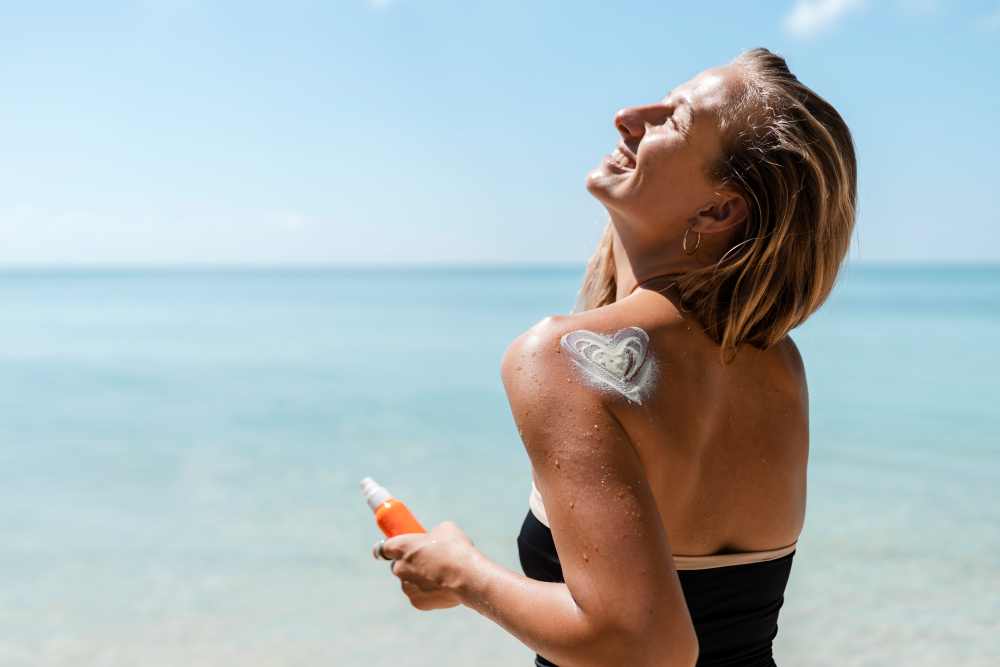
So how can you replenish it? As mentioned, the best natural source is sunlight – the body can synthesize it partially on its own when exposed to UVB rays. This way of supplementing vitamin D is great primarily in the summer when days are long and full of sunshine. However, if you don't expose yourself to the sun very often, it pays off to reach for a quality food supplement or focus on a balanced diet. In which foods can you find vitamin D?
Food sources of vitamin D
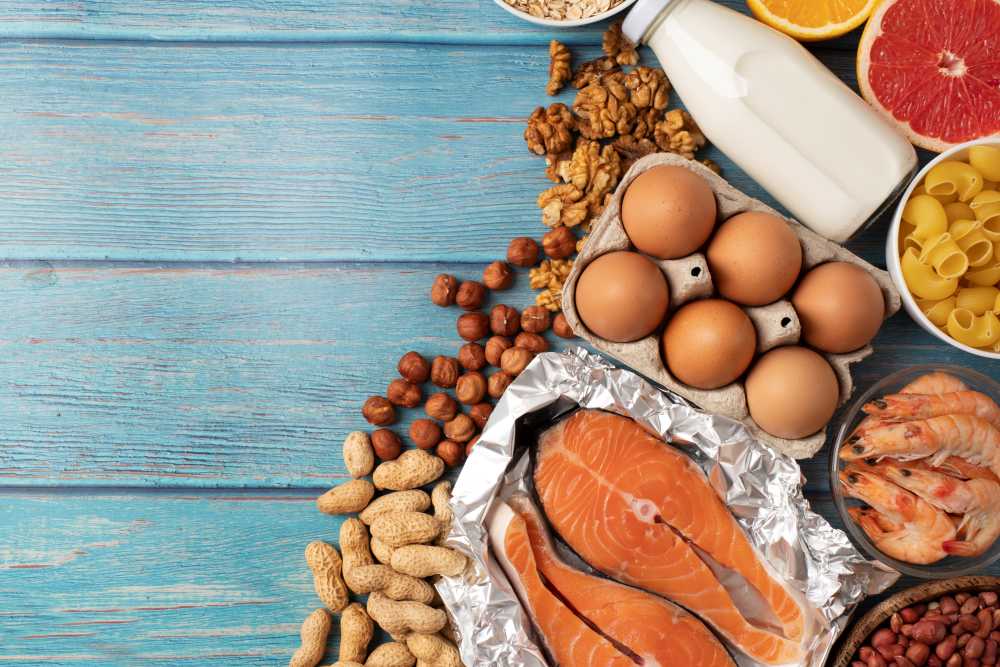
If you don't have the opportunity to draw vitamin D from the sun right now, you can also replenish it through food. Among the best sources are:
- Fatty fish – salmon, mackerel, sardines, tuna
- Egg yolks – a natural source of vitamin D, great for breakfast
- Dairy products – fortified milk, yogurts, and cheeses
- Plant alternatives – soy, almond, and oat milk fortified with vitamin D (a perfect choice for vegans)
- Mushrooms – especially those exposed to UV radiation, such as shiitake or portobello
- Beef liver – a less popular source, but rich in vitamin D and other important nutrients
Kratom and vitamin D: How are they connected?
Although there are no direct studies yet on the interaction of vitamin D and kratom, several conclusions can be drawn based on the known metabolism of both substances. Vitamin D can influence the effects of various natural substances, including kratom. Proper vitamin D levels support nervous system function and hormonal balance, which can indirectly affect how the body responds to the alkaloids contained in kratom.
Kratom metabolism takes place mainly in the liver, where alkaloids like mitragynine are converted into active forms that subsequently act on receptors in the brain. Vitamin D may play an indirect role by influencing the function of liver enzymes and the absorption of certain substances. A vitamin D deficiency can slow down metabolism and thus affect how quickly and intensely kratom works.
Article TIP
Vitamin D and mood – Can it influence the feelings associated with kratom use?
Kratom is popular thanks to its impact on energy, focus, and mood. Interestingly, vitamin D has a similar effect – its sufficient level is associated with a better mood, lower stress levels, and higher mental resilience.
Conversely, its deficiency can lead to fatigue, irritability, and even depressive states. Therefore, if you use kratom for mental well-being or energy support, sufficient vitamin D levels can be a key factor in maximizing its effects.
How to properly combine kratom and vitamin D for maximum effect?
Given that vitamin D plays a role in metabolism and the nervous system, combining it with kratom can be useful. At Kratomuj, we bring you tips on how to do it right:
- Don't forget regular vitamin D intake – if you know you suffer from a deficiency, focus on foods rich in vitamin D or suitable supplements.
- Dose smartly – while vitamin D is stored in fatty tissue and its levels increase gradually, kratom works much faster. This means that if you take both, the effect of vitamin D manifests long-term, whereas kratom has a more immediate effect.
- Support absorption – vitamin D is fat-soluble, so if you take supplements, it is ideal to combine them with food containing healthy fats, such as nuts, avocado, or olive oil.
- Maintain an overall healthy lifestyle – both kratom and vitamin D have a significant impact on mental and physical well-being. You will achieve the best results by adding a balanced diet, plenty of movement, and quality sleep to the mix.
How to recognize a vitamin D deficiency?
It might seem like ordinary fatigue or a worse mood, but in reality, it can be a sign that your body lacks vitamin D. Its deficiency manifests subtly yet affects many processes in the organism – from energy to immunity.
Symptoms of vitamin D deficiency:
- Constant fatigue and a feeling of exhaustion
- Muscle weakness or frequent muscle and joint pain
- Worsened mood, irritability, or tendencies toward depression
- Reduced immunity and more frequent colds
- Long wound healing times or frequent inflammations
How to test your vitamin D levels?
If you notice any of these symptoms, it is not a bad idea to have your vitamin D levels measured. The simplest method is a blood test, which can be done at your general practitioner's office or in a private laboratory. The ideal blood level ranges between 75–150 nmol/l; lower values may indicate the need for supplementation or a lifestyle adjustment.
Recommended daily dose of vitamin D
How much vitamin D do we actually need? The recommended daily intake varies according to age, lifestyle, and season. While in summer most people can manage with a stay in the sun, in winter months supplementing vitamin D is often essential.
TIP
If you want to get vitamin D naturally, spending 15–30 minutes in the sun daily (especially in spring and summer) can cover your daily requirement.
Recommended Daily Allowances (RDA) for vitamin D:
- Adults under 70 years – 600–800 IU
- Seniors over 70 years – 800–1000 IU
This dosage ensures the prevention of rickets, but to ensure other essential bodily functions, it is better to increase the dosage. Experts agree that a safe long-term intake for adults ranges around 2000–4000 IU daily. In case of a significant deficit, higher doses can be taken short-term, but always under medical supervision.
You may have never thought that vitamin D could influence how you feel after taking kratom. But the body functions as a perfectly connected ecosystem; when key elements are missing, the overall effect can change significantly. Proper vitamin D levels influence not only immunity and mood, but also how your body processes the substances you supply it with, including kratom alkaloids.
So if you want to get the most out of kratom, focus not only on proper dosing but also on overall support for your organism. Smart sun exposure, a varied diet, and quality food supplements can be that small detail that makes a big difference. And while we're on the subject, when was the last time you were out in the sun? It might be time to take a break, go for a walk, and let your body soak in a dose of natural vitamin D.
Frequently asked questions
Why are vitamin D3 and K2 often combined in supplements?
Vitamins D3 and K2 are often combined because D3 promotes calcium absorption into the blood, while K2 helps direct calcium into bones and teeth and prevents its accumulation in blood vessels. Together, they thus support bone and cardiovascular health.
Can I risk a vitamin D overdose?
Yes, a vitamin D overdose is possible, but it happens quite rarely and mostly only during long-term use of extremely high doses (above 10,000 IU daily). Since vitamin D is fat-soluble, it can accumulate in the body and lead to hypercalcemia (excess calcium in the blood). This can cause nausea, weakness, kidney stones, or in extreme cases, organ damage. A safe daily intake for adults is usually 2000–4000 IU; with higher doses, it is a good idea to consult supplementation with a doctor.
Disclaimer
This article is for informational purposes only and does not replace professional medical or addiction-related consultation. It does not contain recommendations regarding dosage or frequency of use. Kratom is intended strictly for adults aged 18 and over. Do not use it during pregnancy, while breastfeeding, in combination with alcohol or medication, or before driving vehicles.
Sources
PMC. Translating Kratom-Drug Interactions: From Bedside to Bench and Back [online]. Available from: https://pmc.ncbi.nlm.nih.gov/articles/PMC10353077/
AGEL Lékárna. Vitamín D – proč je důležitý a kdy ho doplňovat? [online]. Available from: https://lekarna.agel.cz/o-nas/novinky/220509-vitamin-d
Healthline. Your Guide to Vitamin D Benefits [online]. Available from: https://www.healthline.com/health/food-nutrition/benefits-vitamin-d
Trime. Kolik vitamínu D potřebujete a co vše má vliv na jeho hladinu v organismu? [online]. Available from: https://trime.cz/blogs/news/kolik-vitaminu-d-potrebujete-a-co-vse-ma-vliv-na-jeho-hladinu-v-organismu