
If you are interested in alternative medicine and natural substances, we certainly do not need to introduce kratom to you. Perhaps you have already tried it, or you are just about to. But have you ever wondered what your liver thinks about it? The liver is the primary detoxification organ that filters toxins, processes nutrients, and influences digestion. While some claim it handles kratom with ease, others warn that its metabolism can be more demanding on the body. Where lies the truth? In this article, we will look at the scientific findings regarding kratom's effect on the liver, its metabolism, and its connection to digestion. Whether you use kratom regularly or are just considering trying it, there is never enough information on how your body processes kratom.
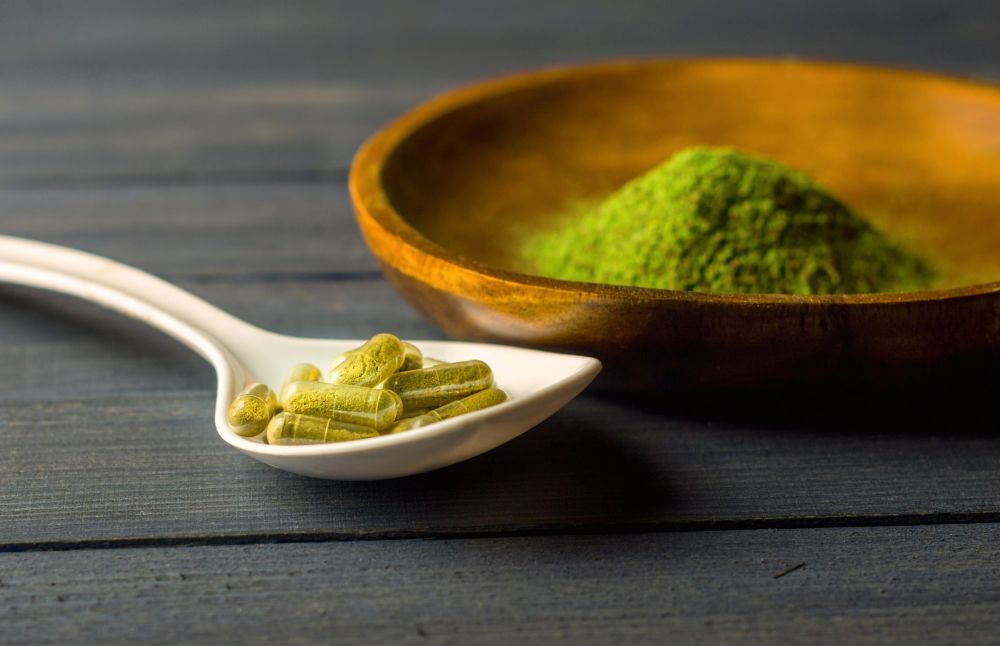
Kratom and Its Metabolism
We have written a lot about what kratom is and how to use it. Today, however, we will look at the most important question: what happens to kratom in your body after consumption? The main active component of kratom is mitragynine, an alkaloid that is partially converted in the body into 7-hydroxymitragynine. These substances affect opioid receptors in the brain, which can induce stimulating or relaxing effects depending on the dosage. Besides these, kratom contains dozens of other alkaloids that influence its effects, but mitragynine plays the primary role in its metabolism within the liver.
Reading Tip
If you want to learn more about kratom's composition and active substances, check out our complete overview of kratom alkaloids. Have no experience with kratom yet? We recommend reading the article: What is kratom, how to use it and what are its effects?
How the Body Processes Kratom?
- Absorption – After consumption (whether in powder, tablet, or tea form), the alkaloids pass through the stomach and reach the small intestine, where they are absorbed into the bloodstream. This process takes 15 to 90 minutes, depending on whether kratom is taken on an empty stomach or with food.
- Liver Metabolism – Once the alkaloids enter the bloodstream, the liver plays a key role in breaking them down and converting them. The CYP3A4 enzyme is responsible for metabolizing mitragynine, partially converting it into 7-hydroxymitragynine, which has stronger effects than the parent compound. This is where a potential burden on the liver can arise, especially with long-term or excessive use.
- Excretion – After processing in the liver, kratom metabolites are excreted in the urine—approximately 50% within the first 24 hours. The remaining amount stays in the body longer, and trace amounts may be detectable for several days depending on the dose and individual metabolic rate.
Article Tip
If you are interested in learning more about the detection of kratom in urine or blood, read our dedicated article.
The Liver and Its Role in Kratom Use
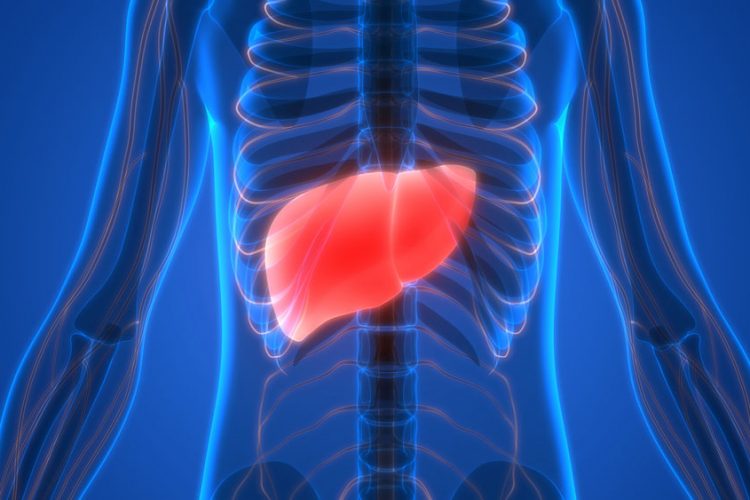
The liver is one of the busiest organs in the body. Every day, it filters blood, processes nutrients, and neutralizes harmful substances entering the body from food, medications, and dietary supplements. When using kratom, the liver is responsible for its metabolism and converting the active alkaloids into their active forms.
Even though kratom is often considered a natural substance, that does not automatically mean it is entirely stress-free for the liver. It depends on the dosage, frequency of use, and the body's individual ability to break down these substances.
Detoxification and Filtration of Substances in the Liver
The liver acts as the body's main detoxification filter. Every substance we ingest – whether food, medicine, or plant extracts – passes through the liver, where it is broken down and converted into a form the body can utilize or excrete. This process relies on enzymes and specialized cells that neutralize toxins and transform compounds into less active or, conversely, more biologically available components.
In the case of kratom, the liver plays a dual role. Not only does it break down its alkaloids, but it also ensures that the resulting metabolites can be excreted from the body. However, if excessive strain occurs, such as through prolonged high dosing or combining it with other substances, liver cells can experience a heavier burden.
Kratom and Liver Enzymes – How Does the Body React?
Kratom metabolism occurs mainly thanks to the CYP3A4 enzyme, which belongs to the cytochrome P450 family. This enzyme is crucial for breaking down many substances, including medications, hormones, and toxins. If its activity is disrupted by other substances affecting this enzyme, kratom metabolism may slow down or accelerate.
Some studies suggest that regular kratom use can lead to interactions with other medications metabolized by the same enzymes. This means kratom can affect the efficacy of certain drugs or stay in the body longer than usual. Another factor influencing the liver's reaction to kratom is an individual's genetic makeup. Everyone has a different level of enzymatic activity, meaning that while one person may experience a seamless kratom metabolism, another may break it down more slowly, placing more stress on the liver.
Proper liver enzyme function is essential for safe kratom use. Therefore, it is recommended to take care of liver health, monitor potential signs of overload, and consult a professional regarding any unusual reactions.

Can Kratom Damage the Liver? What Do Studies Say?
When we ingest any substance, whether medications, alcohol, or plant extracts like kratom, the liver takes care of breaking it down and eliminating it from the body. Questions sometimes arise regarding whether long-term kratom use can damage the liver. What does science say?
Although studies exist that have recorded cases of liver issues associated with kratom use, it is necessary to view them in a broader context. Liver damage due to kratom is rare, and most reported cases involve individuals who:
- Used high doses of kratom over a long period.
- Combined kratom with other substances, such as liver-taxing medications, alcohol, or other herbs with potentially hepatotoxic effects.
- Had pre-existing liver disease that may have contributed to the development of complications.
One review study found that the vast majority of kratom users experience no negative effects on the liver. In rare cases, however, symptoms such as dark urine, jaundice, and elevated liver enzymes appeared, which returned to normal after stopping kratom. This suggests that the risk is individual and depends on dosage, genetics, and the user's overall health status. It should be noted, however, that research in this area is ongoing, and studies are still too limited to draw a definitive conclusion.
Kratom vs. Alcohol and Medications – Is the Risk Higher?
When comparing kratom to alcohol or commonly used medications, kratom fares significantly better regarding liver risk. Alcohol is demonstrably toxic to the liver, especially with regular and excessive use. Chronic alcohol consumption leads to alcoholic liver disease, cirrhosis, and other serious, potentially irreversible conditions. In contrast, kratom does not contain ethanol or other substances directly toxic to the liver.
Did You Know…
This does not mean kratom is entirely without risk. Combining kratom with alcohol or liver-burdening medications can increase the overall risk of liver problems. Therefore, if you use kratom, it is important not to combine it with other potentially toxic substances and not to exceed recommended doses. The same applies to alcohol.
Kratom and Digestion – Does It Have a Positive or Negative Impact?
Kratom is known for its stimulating and relaxing effects, but how does it affect digestion? While some users report better digestion and more regular bowel movements, others experience constipation or stomach discomfort. The reason is that kratom alkaloids interact with receptors in the digestive tract, which can trigger different reactions in different people. So, how does kratom affect nutrient absorption and the gut microbiome?
Nutrient absorption depends on proper digestive system function. Kratom can slow down intestinal peristalsis, meaning longer digestion times and potentially better absorption of certain substances. On the other hand, frequent use can disrupt digestive processes in some individuals and slow down food movement in the gut to the point of causing constipation. For example, research published in the Journal of Addiction Medicine noted that out of 2,867 surveyed adult kratom users in the United States, 134 (approximately 4.7%) reported constipation associated with its use.
Therefore, if you use kratom regularly, it is crucial to ensure an adequate intake of fiber, hydration, and a balanced diet to prevent any disruption in the absorption of vital vitamins and minerals.
Kratom and the Gut Microbiome
Gut microbiome health influences not only digestion but also immunity and overall well-being. Scientists have not yet conducted enough studies to directly analyze kratom's impact on gut bacteria, but certain alkaloids contained in kratom possess potential antibacterial properties (similar to antibiotics). This could mean that long-term use might slightly disrupt the balance of the gut flora.
Nonetheless, a study published in the Journal of the Science of Food and Agriculture in June 2024 investigated the effects of a water-soluble kratom (Mitragyna speciosa) extract on gut microbiota during in vitro human fecal fermentation. The results showed that the kratom extract promotes the growth of beneficial Bifidobacterium bacteria and increases the production of short-chain fatty acids, which are crucial for gut health. These findings suggest that water-soluble kratom extracts could potentially be utilized as functional food ingredients to support specific gut microorganisms.
As you can see, the results of these studies remain inconclusive. If you prefer to leave nothing to chance, combine kratom with probiotics and a varied diet rich in fermented foods.
How to Minimize Risks? Safe Kratom Use
If you want to get the most out of kratom without negative impacts on your liver and digestion, the correct dosage and a balanced approach are key. Excessive and long-term use can unnecessarily burden the liver, so it is good to know how to dose and what to do to protect it.
Dosage and Frequency of Use
Every organism reacts to kratom differently, but generally, lower doses (1–4 g) tend to have a stimulating effect, while higher doses (4–8 g) act relaxingly and sedatively. If you use kratom regularly, we recommend incorporating breaks to prevent alkaloid accumulation in the body. A good rule of thumb is to follow a schedule of 6 days of use followed by 1 day off, or alternating between different kratom strains to avoid overloading metabolism.
Did You Know…
How to Support Liver Health While Using Kratom?
The liver is a key organ for detoxification and proper metabolic function. If you use kratom regularly, support your liver health with a diet rich in antioxidants, such as vitamin C, curcumin, or milk thistle.
Hydration is another crucial factor; an adequate water intake helps the liver process and excrete kratom metabolites more efficiently. Avoid combining kratom with alcohol or medications that can burden the liver, and monitor any changes in digestion that could signal a problem.
There is no definitive answer to whether kratom is entirely safe for the liver and digestion. Most users experience no problems, but in isolated cases, liver complications or digestive issues can occur, especially with high doses or when combined with other substances. If you decide to use kratom, keep moderation in mind, maintain a varied diet, and drink plenty of fluids. As with any supplement, the rule applies: everything in moderation and with awareness of your body.
Frequently Asked Questions
Is kratom healthy or harmful?
Kratom can have both positive and negative effects – it depends on dosage, frequency of use, and individual bodily reaction. With occasional and moderate use, it can act as a stimulant, helping with energy or relaxation. On the other hand, excessive consumption can burden the liver, affect digestion, or lead to dependency. Current studies do not indicate that it is extremely dangerous, but its long-term effects are not yet fully explored.
How do I recognize a negative impact on the liver?
Possible signs of liver strain during kratom use include unusual fatigue, yellowing of the skin or whites of the eyes, dark urine, skin itching, nausea, and pain in the upper right abdomen. If you notice these symptoms, it is advisable to stop using kratom and consult a physician.
Disclaimer
This article is for informational purposes only and does not replace professional medical or addiction-related consultation. It does not contain recommendations regarding dosage or frequency of use. Kratom is intended strictly for adults aged 18 and over. Do not use it during pregnancy, while breastfeeding, in combination with alcohol or medication, or before driving vehicles.