
Kratom is a plant that has been attracting increasing attention in recent years. This tropical tree from Southeast Asia offers a wide spectrum of effects, ranging from stimulation to sedation. However, kratom can also bring unwanted side effects, including withdrawal symptoms. If you are considering using kratom or trying to quit, it is important to understand what this powder can mean for your health and how to deal with its potential complications. In this article, we will take a look at what kratom is, what withdrawal symptoms it can cause, and how to cope with or prevent them.

Kratom as an Herb and Stimulant
Kratom (Mitragyna speciosa) is a plant native to the tropical regions of Southeast Asia, particularly Thailand, Malaysia, and Indonesia. Its leaves were traditionally used in these countries as a stimulant. Kratom is known for its effects varying significantly depending on the dosage: low doses can increase energy and improve mood, while higher doses tend to have sedative effects, relieve pain, and induce a sense of euphoria. This effect is primarily caused by alkaloids such as mitragynine and 7-hydroxymitragynine.
Article Tip
Want to learn everything essential about kratom – what it is, its effects, and how to dose it properly? If you are just discovering the world of this unique plant, be sure not to miss our detailed article where you will find all the important information in one place: What is kratom, how to use it and what are its effects?
Typical Kratom Withdrawal Symptoms
If you think kratom is just another health trend, you should know otherwise. Depending on the strain you choose, it can help you get through work or lull you to sleep. Its effects are the result of alkaloids that affect brain receptors similarly to opioid substances. This is important to realize because it plays a role in understanding what happens when you decide to stop taking kratom. It is much like returning home from a party and your body struggling to adjust to the fact that the dancing rhythm has stopped. After discontinuing use, the following withdrawal symptoms may appear:
- Increased sweating and tremors
- Physical muscle pain
- Insomnia and sleep problems
- Sudden food cravings
- Worsening mood
- Loss of energy
- Vomiting or nausea
- Anxiety or depression
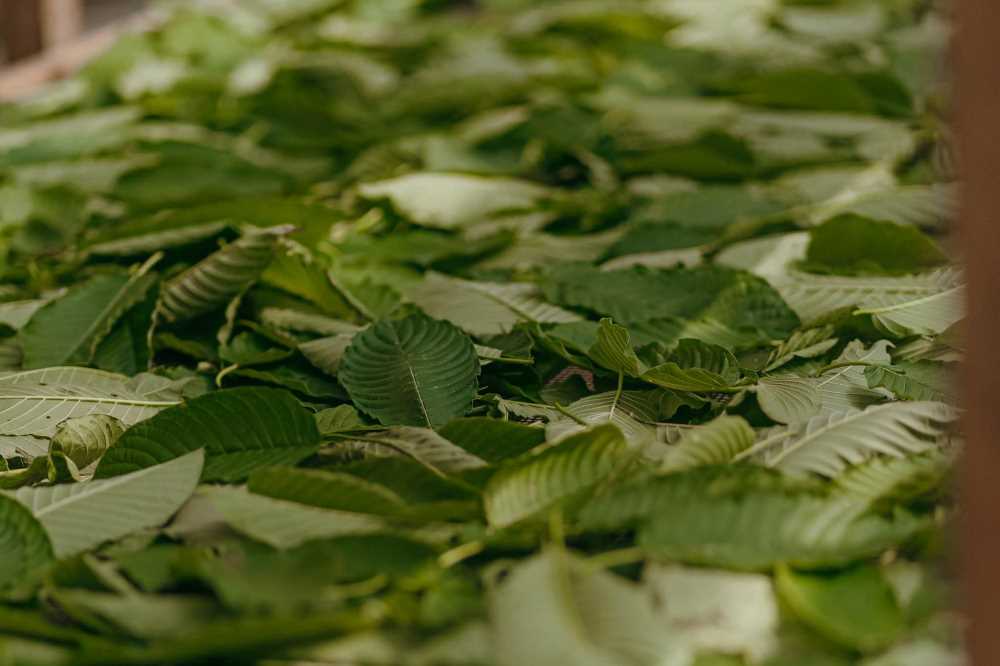
Kratom Withdrawal Reactions
Kratom withdrawal symptoms occur when the body and brain adapt to the absence of the substance. Kratom affects neurotransmitters that regulate mood, pain, and energy. If the body starts developing a dependency on these effects, abrupt discontinuation can be very difficult. Withdrawal reactions vary based on personal factors such as:
- Duration of use
- Dosage
- Individual health status
Article Tip
Are you interested in what we currently know about how kratom affects the liver and digestion? What are the possible impacts on metabolism, and what do studies say? If you want to keep track of how this plant acts on your body, read our detailed article.
Easing Withdrawal Symptoms
If you decide to stop using kratom, there are several options that can help ease withdrawal symptoms:
1. Gradual Dosage Reduction
How to do it: Start by gradually reducing the amount of your kratom dose. For example, if you take a certain amount of kratom daily, lower this dose by a small fraction every few days. This process can take several weeks, depending on your individual tolerance and duration of use. In this way, you give your body enough time to adapt to lower levels of the substance, minimizing the risk of intense withdrawal symptoms and easing your transition into a kratom-free phase.
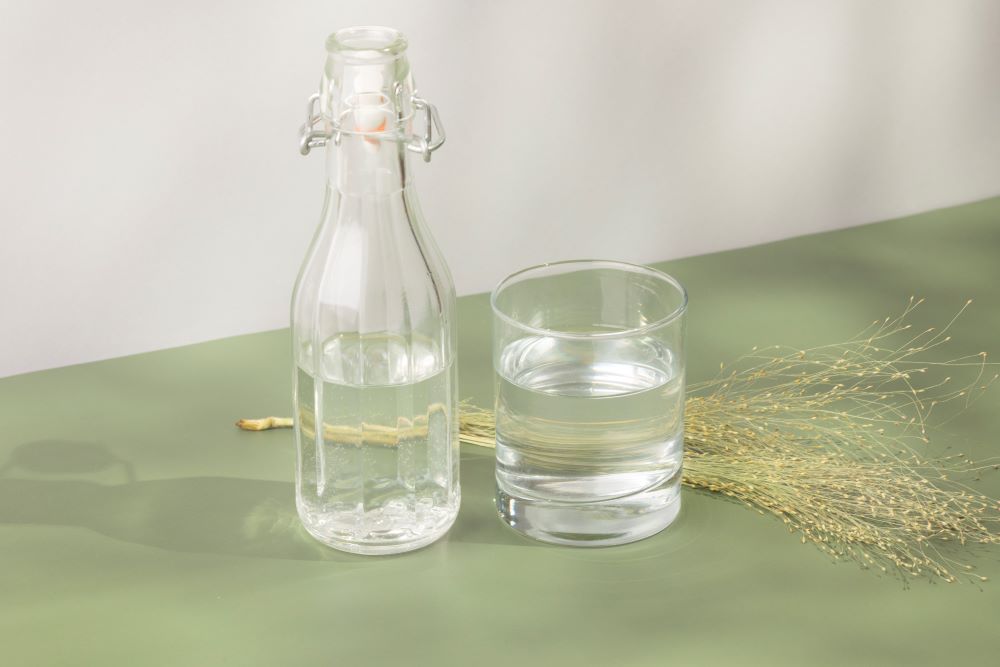
2. Stay Hydrated
It is important to ensure you maintain a proper fluid intake. Water is key to supporting metabolism and detoxifying your body, which can be especially crucial when your body is trying to adapt to the absence of kratom. Proper hydration helps maintain fluid balance, which can contribute to better digestive system function.
3. Healthy Lifestyle
Adhering to a healthy lifestyle can have a profound impact on your well-being during the withdrawal period. A balanced diet, regular exercise, and adequate sleep are the cornerstones for supporting your physical and mental health.
- Balanced diet – A diet rich in nutrients, vitamins, and minerals helps the body recover and supports its natural detoxification processes. Focus on fresh fruit, vegetables, whole grains, and protein. Avoid heavy, fatty, and highly processed foods that can burden your digestion and worsen your well-being.
- Regular exercise – Physical activity helps improve your mood, boosts energy, and promotes healthy sleep. Exercise can also help alleviate some physical withdrawal symptoms, such as muscle and joint aches. Regular walks, gentle exercise, or yoga are enough.
- Adequate sleep – Quality sleep is crucial for bodily regeneration and mental health. Try to establish a regular sleep routine that allows you to rest and recover your strength. If you have trouble sleeping, try avoiding blue light from screens before bedtime and create a calm sleeping environment.
4. Natural Herbs
Natural herbs can offer relief and support in easing certain symptoms. These methods are generally gentle and can help your body adapt to the new regimen without the need for strong medications.
- Green tea and herbal teas – Green tea is rich in antioxidants and can help improve your energy and mood. Herbal teas such as chamomile, mint, or lemon balm can have calming effects and promote better sleep. These teas are a great way to treat yourself to natural relief.
- Warm baths – Baths with natural oils, such as lavender or eucalyptus, can help release muscle tension and relieve aches. An Epsom salt bath can also help soothe muscle soreness and relax the entire body.
- Natural sedatives – For example, valerian can assist with relaxation and improve sleep quality.

How to Prevent Kratom Dependency
Preventing withdrawal symptoms is a key factor if you want to avoid the negative effects associated with kratom use. Here are a few tips that can help:
Awareness and education
Gain adequate and accurate information about the effects and risks of kratom before deciding to use it. Understanding potential risks can help with planning and preventing dependency.
Dosage control
Stick to recommended doses and avoid unverified or extreme amounts. Smaller doses can reduce the risk of dependency.
Support and consultation
If you have concerns about developing a dependency or withdrawal symptoms, consult your concerns with a professional who can help you with a plan and provide necessary support.
For these reasons, it is advisable to use kratom only in moments when you are experiencing difficulties or when you genuinely need it. The maximum daily dose should not exceed 10 g, and that for a maximum of 4 days a week. Occasional periods of complete kratom cessation can be beneficial to cleanse the body, reset tolerance, and minimize the risk of developing a dependency.
Kratom can offer certain benefits, but it is important to be aware of its potential risks, including the possibility of withdrawal symptoms. Awareness and thorough planning can help minimize risks and support your health and well-being. If you are considering using kratom or trying to quit, it is important to prepare well and seek professional help if needed.

Frequently Asked Questions
How long do kratom withdrawal symptoms last?
Kratom withdrawal symptoms can vary in duration and intensity depending on several factors, such as the duration and amount of kratom use, individual metabolism, and overall health status. Most people experience withdrawal symptoms for 1 to 2 weeks, with the worst symptoms typically appearing during the first 3 to 5 days after the last dose.
Is kratom use permitted only for individuals over 18 years of age?
Yes, kratom is intended solely for adults who have reached the age of 18.
What are the best practices for reducing kratom dosage?
Gradually reduce the dose by 10–20% each week. Monitor your body's reactions and adjust doses as needed. Consult with a doctor or specialist. Use natural remedies, such as herbal teas, to relieve symptoms.
Disclaimer
This article is for informational purposes only and does not replace professional medical or addiction-related consultation. It does not contain recommendations regarding dosage or frequency of use. Kratom is intended strictly for adults aged 18 and over. Do not use it during pregnancy, while breastfeeding, in combination with alcohol or medication, or before driving vehicles.