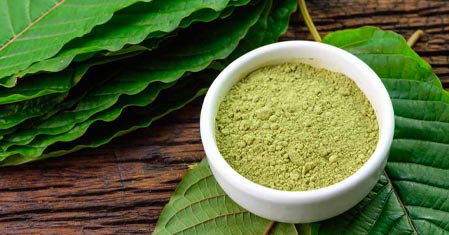

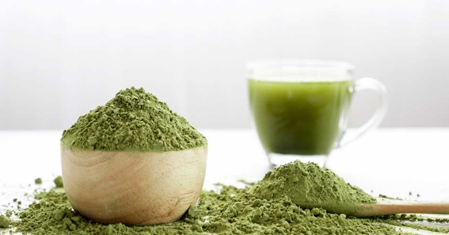
Kratom is a natural wonder for some, a controversial substance for others, teetering on the edge between drug and medicine. This exotic powder from the leaves of the Mitragyna speciosa tree, native to Southeast Asia, is causing more and more debate. Is kratom a dangerous addictive drug, as its opponents claim, or is it a natural remedy that has the potential to be an aid in the fight against pain, anxiety and addiction? In this article, we dive into the world of myths and facts surrounding kratom and try to answer the question: Is kratom really the medicine of the future, or does it represent a danger we should not take lightly?
What is kratom?
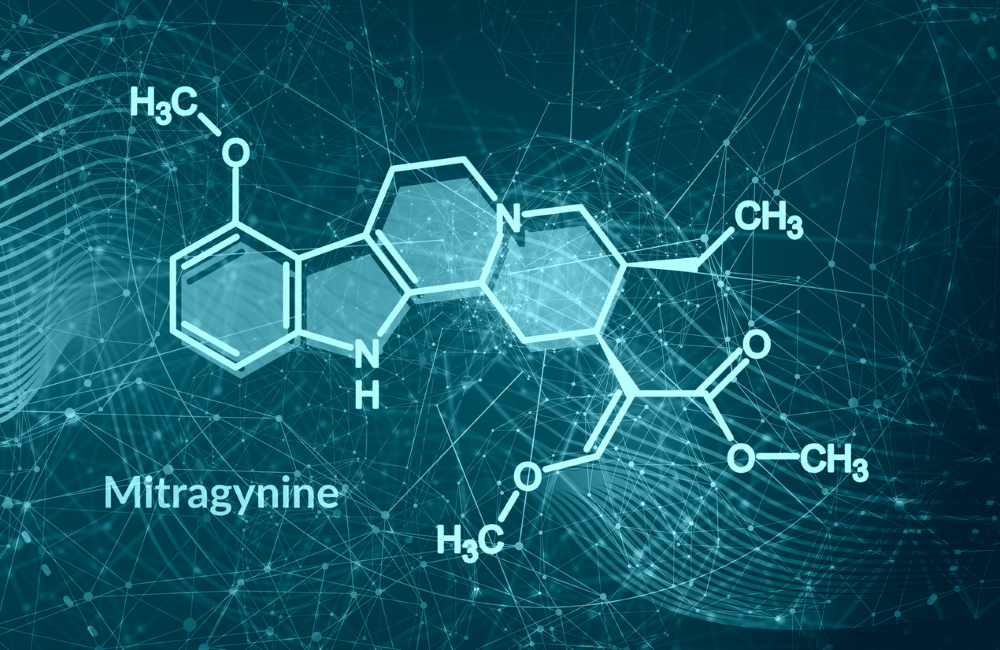
Kratom is an evergreen tree that grows in Southeast Asia, especially Indonesia. Mitragyna speciosa powder has been used for centuries as a part of traditional medicine in these areas. Kratom is hotly debated, especially because it contains alkaloids (mitragynine and 7-hydroxymitragynine), which act on receptors in the brain and produce stimulating or sedative effects. The nature of the effect depends on the dose and type of kratom used.
Kratom has traditionally been used to relieve pain, fatigue and stress, as well as to help with hard physical work. Nowadays, it is most often consumed in powder or tablet form. Indonesians also like to make tea from kratom. Its effects range from mood enhancement to stress management and pain relief. However, there are a number of questions surrounding kratom about its safety and potential to cause addiction. So what is really going on?
How does kratom work?
Kratom’s effects are provided by the specific alkaloids it contains, which have a significant effect on the human brain. These alkaloids act on opioid receptors in the brain, similar to opioids, but with slightly different effects. At lower doses, usually of white kratom, kratom has stimulating effects. Users describe increasing energy, improving mood and communicativeness. At higher doses, usually of red kratom, it acts as a sedative and analgesic, relieves pain and reduces anxiety and stress.
Due to this dual action, kratom is considered a remarkable substance, as its effect depends on the dose and type of kratom used. Although kratom is a natural substance, it is important to remember that it has a strong effect on the brain and body and should therefore be used with caution.
TIP for the next article
Are you interested in more information about kratom? Read our article: What is kratom and what are its effects?
Kratom myths vs. facts and scientific studies
Pain relief
One of the most compelling reasons kratom should be studied as a medicine of the future is its potential health benefits, especially in the areas of pain relief, anxiety management and mood improvement. Due to alkaloids acting on opioid receptors, kratom can relieve muscle, joint or chronic pain without the need for synthetic drugs. The results of a study by Johns Hopkins University show that more than 90% of the US population uses kratom for pain relief, and two-thirds use it to relieve anxiety and depression.
An alternative to opioids
Currently, kratom is also being studied as an alternative to opioid drugs, especially in the context of pain management. More than a million Czechs are addicted to drugs for pain, anxiety or depression. With addiction to opioids and painkillers growing worldwide, kratom is being discussed as a possible alternative that offers similar effects with less risks of addiction. Some studies suggest that kratom can help with withdrawal from opioids, including heroin and other serious drugs. It relieves withdrawal symptoms, such as pain, anxiety, insomnia and nausea, helping to smooth the transition to withdrawal. In the US in controlled detox programmes, some doctors prescribe kratom as a substitute for opioids, precisely because of its ability to relieve severe withdrawal symptoms.
Recommended products from the article:
Is kratom legal?
The legislative issue of kratom is still relevant and widely debated. However, kratom regulation varies across the world. In some countries, such and Thailand or Indonesia, kratom is legal and traditionally used in local medicine. In Thailand, the history of kratom use is quite complicated. Traditionally, kratom was used by locals for pain relief or during religious ceremonies. In 1943, however, Thailand passed a law banning the cultivation and use of kratom as part of an effort to regulate the opioid trade, because kratom began to be used as a cheaper alternative. Kratom was illegal in Thailand for several decades, leading to a wide-ranging black market. It was not until 2021 that the Thai government legalized kratom for home use again.
In other countries, such as some European countries, its status is unclear or it is even illegal. The largest market for kratom is in the USA. It is illegal in only a few states.
The bans are often based on concerns about safety and potential abuse, although research into its effects is still ongoing. Pharmaceutical companies also play a big role. It is therefore sold only for collecting and study purposes. Learn more in our article on the legality of kratom.
Kratom and addiction
As with any plant that contains alkaloids, there are also risks associated with its use. Kratom addiction is a topic of much debate, especially given its similarity to opioids. Although kratom is a natural substance and its effects on the brain are less intense than synthetic opioids, it can lead to addiction, especially if used for long periods of time and incorrectly dosed. The kratom plant is very similar to the coffee plant, belonging to the same family. Like coffee, kratom contains stimulants that can boost energy and improve your mood. At lower doses, kratom has stimulating effects similar to caffeine, which is one reason some people consider it relatively safe. Exclusively for our documentary on kratom, Dr Virhan Novianry, M. Biomed, a biomedical scientist at the Faculty of Medicine of Tanjungpura University in Pontianak, Indonesia, said that he considers kratom safe at a maximum daily dose of up to 10 g. This experience is confirmed by kratom expert and owner of kratomuj.cz Ondřej Tanistra.
On the other hand, like opioids, kratom acts on opioid receptors in the brain. This is why kratom is being studied as a possible alternative to opioids for pain relief and managing withdrawal symptoms in people addicted to opioids. However, in this context, it is also important to note that by acting on these receptors kratom can cause dependence. According to a study by Johns Hopkins University involving nearly 2,800 kratom users, only 2% of participants were shown to be severely dependent on kratom. By comparison, among people taking opioid drugs, addiction ranges from 8% to 12%. Still, about 13% of kratom users reported developing certain symptoms of addiction, such as withdrawal symptoms after discontinuation..
Kratom addiction is somewhere between coffee and opioids in terms of its effects. While caffeine addiction is mild and has no serious consequences, opioids are extremely addictive and dangerous. Kratom appears to be less addictive than opioids, but its potential for addiction cannot be ignored, especially with prolonged use. Kratom is therefore an interesting substance with great potential, but its use requires caution and further research to fully understand its effects and risks. But one thing is certain: kratom does not belong in the hands of children.
Kratom – mould and undesirable substances
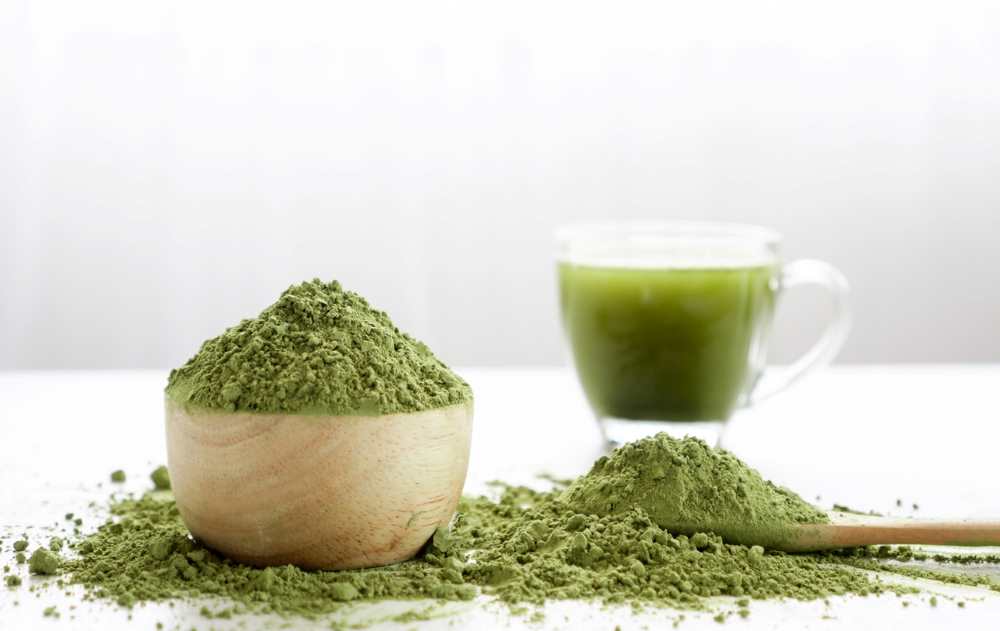
One of the main challenges associated with the use of kratom is its imbalanced regulation and product quality on the market. Some impurities or high doses may increase the risk of addiction and side effects. Since kratom is not regulated in most countries, products available on the market are often not tested for toxins, heavy metals or pathogens such as mould and bacteria. Impurities in kratom can cause serious health problems, especially if the products are used for a long time. Because of these risks, it is important that people who use kratom buy products from trusted sources that have quality certificates and laboratory tests for heavy metals and bacteria.
Did you know that ...
our kratom has the highest levels of mitragynine? See for yourself the quality of our kratom, free of mould and undesirable substances.
Kratom is a complex and remarkable substance that deserves more thorough investigation. On the one hand, it has the great potential of a natural remedy in the fight for pain relief, anxiety management and perhaps as an alternative to opioids when managing addiction. On the other hand, it brings risks such as addiction and problems associated with mould or toxic contamination, which is related to a lack of regulation on the market.
So is kratom a drug or the medicine of the future? The answer is not entirely clear. It depends on how it is used, regulated and where it comes from. Consumer awareness is key – those who want to take advantage of its potential benefits should choose quality products from proven sources and be aware of the potential risks.
People also often ask
How dangerous is kratom?
The risk inherent in kratom depends on several factors, including dosage, duration of use and product quality. At lower doses, kratom has stimulating effect and is considered relatively safe, similar to coffee. At higher doses, however, it acts as a sedative agent and may induce opioid-like addiction.. Kratom from unknown sources is therefore potentially dangerous, especially if not used with caution, and its long-term effects require further research.
How does kratom addiction manifest itself?
Addiction to kratom manifests itself similarly to other addictive substances. Users may experience withdrawal symptoms such as irritability, anxiety, insomnia, muscle pain or depression when they stop using kratom. Learn more in our article: Kratom – withdrawal symptoms and how to relieve them.
Warning
This article is for informational and educational purposes only. It does not constitute a recommendation for the consumption of kratom or other psychoactive substances. Kratom is classified as a psychomodulating substance, and products containing it are not intended for persons under 18 years of age. Do not use during pregnancy or breastfeeding, or in combination with alcohol, nicotine, medications, or other psychoactive substances.
Do not use these products before driving a motor vehicle or performing activities requiring heightened attention and coordination. In case of health issues or chronic illnesses, consult a physician before use. Keep out of reach of persons under 18 years of age.
Sources
HOPKINS MEDICINE. Natural herb kratom may have therapeutic effects and relatively low potential for abuse or harm, according to a user survey [online]. Available from: https://www.hopkinsmedicine.org/news/newsroom/news-releases/2020/02/natural-herb-kratom-may-have-therapeutic-effects-and-relatively-low-potential-for-abuse-or-harm-according-to-a-user-survey
PAIN NEWS NETWORK. Study finds kratom effective for pain relief [online]. Available from: https://www.painnewsnetwork.org/stories/2020/2/3/study-finds-kratom-effective-for-pain-relief-nbsp
URMC. Study pokes holes in kratom’s bad rap [online]. Available from: https://www.urmc.rochester.edu/news/story/study-pokes-holes-in-kratoms-bad-rap
PUBMED. Abuse potential of kratom (Mitragyna speciosa) and its alkaloids: A comprehensive review [online]. Available from: https://pubmed.ncbi.nlm.nih.gov/31816368/
SUPRAMOOD. Kratom: A natural remedy for pain and anxiety [online]. Available from: https://supramood.com/blogs/goldenglow/kratom-a-natural-remedy-for-pain-and-anxiety