
Kratom is a plant that has attracted increasing attention in recent years thanks to its effects. This tropical tree from Southeast Asia offers a wide range of effects, from stimulation to sedative. Kratom can also bring unwanted side effects, including withdrawal symptoms. If you are considering taking kratom or trying to quit, it is important to understand what this powder can mean for your health and how to deal with its potential complications. In this article, we will look at what kratom is, what withdrawal symptoms it can cause and how to deal with or prevent them.

Kratom as a drug and stimulant
Kratom (Mitragyna speciosa) is a plant native to tropical areas in Southeast Asia, especially Thailand, Malaysia and Indonesia. Its leaves have traditionally been used in these countries as a natural remedy and stimulant. It is well known that the effects of kratom vary significantly depending on the dose – at low doses it can increase energy and improve mood, while at higher doses it has more sedative effects, relieves pain and can cause a feeling of euphoria. This effect is mainly caused by alkaloids such as mitragynine and 7-hydroxymitragynine.
Article TIP
Do you want to learn everything about kratom – what it is, what its effects are and how to dose it correctly? If you are just discovering the world of this unique plant, be sure not to miss our in-depth article, where you can find all the important information in one place: Kratom – what it is, effects and dosage.
Typical kratom withdrawal symptoms
If you think kratom is just another health trend, you should realize that it is different. In short, kratom is like a “friend”' - depending on which kind you choose, it can help you at work or lull you to sleep. Its effects are the result of alkaloids, which affect receptors in the brain in a manner similar to opioids. This is important to remember because it plays a role in understanding what happens when you decide to quit kratom. It is like when you come home from a party and your body is trying to deal with the fact that it is not dancing to the rhythm anymore. The following withdrawal symptoms may occur after stopping use:
- increased sweating and shaking;
- physical muscle pain;
- insomnia and sleep problems;
- sudden appetite for food;
- deterioration of mood;
- loss of energy;
- vomiting or nausea;
- anxiety or depression.
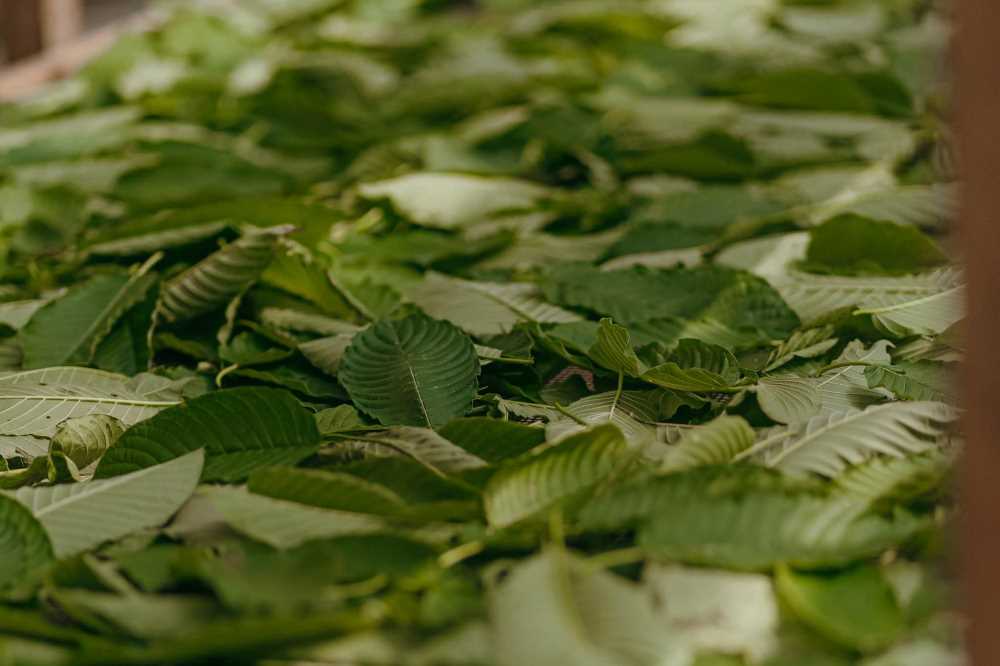
Withdrawal reactions to kratom
Kratom withdrawal symptoms occur when the body and brain are adapting to the substance’s absence. Kratom affects neurotransmitters that regulate mood, pain and energy. If the body begins to develop a dependence on these effects, abrupt discontinuation of use can be very difficult. Withdrawal reactions vary according to personal factors such as:
- duration of use,
- dosage;
- individual health status.
Article TIP
Relieving withdrawal symptoms
If you decide to stop taking kratom, there are several options that can help relieve withdrawal symptoms:
1. Gradual dose reduction
How to do it? Start by gradually reducing the amount of kratom. For example, if you take a certain amount of kratom daily, reduce the dose by a small amount every few days. This process may take several weeks, depending on your individual tolerance and the duration of use. In this way, you give your body enough time to adapt to the lower levels of the substance, minimizing the risk of developing intense withdrawal symptoms and making it easier to transition to a kratom-free life.
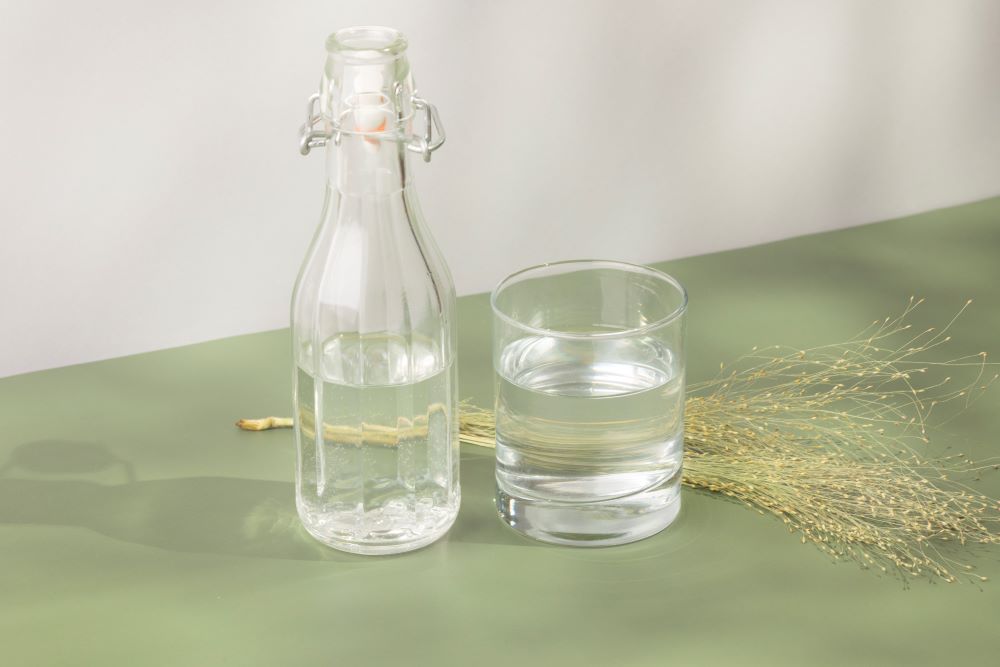
2. Stay hydrated
It is important to make sure you stay hydrated. Water is crucial to supporting your metabolism and detoxifying your body, which can be especially important if your body is struggling to adjust to the absence of kratom. Drinking liquids regularly helps you stay hydrated, which can contribute to better functioning of your digestive system.
3. Healthy lifestyle
Keeping to a healthy lifestyle can have a major impact on your well-being during the withdrawal period. A balanced diet, regular exercise and plenty of sleep are the cornerstones for supporting your physical and mental health.
- Balanced diet - A diet rich in nutrients, vitamins and minerals helps the body recover and supports its natural detoxification processes. Focus on fresh fruit, vegetables, wholegrain products and protein. Avoid heavy, greasy and highly processed foods that can burden your digestion and worsen your well-being.
- Regular exercise - Physical activity helps improve your mood, boosts energy and promotes healthy sleep. Exercise can also help alleviate some of the physical symptoms of withdrawal, such as muscle and joint pain. Regular walks, gentle exercise and yoga are enough.
- Sufficient sleep - Quality sleep is crucial for body regeneration and mental health. Try to create a regular sleep pattern that allows you to rest and regenerate your strength. If you have trouble sleeping, try to avoid blue light from screens before bed and create a quiet sleeping environment.
Recommended products from the article:
4. Natural herbs
Natural herbs can offer relief and support in alleviating some symptoms. These methods are usually gentle and can help your body adjust to the new regimen without the need for strong medication.
- Green and herbal teas - Green tea is rich in antioxidants and can help improve your energy and mood. Herbal teas such as chamomile, mint and lemon balm can have calming effects and promote better sleep. These teas are a great way to treat yourself to natural relief.
- Warm baths - baths with natural oils such as lavender or eucalyptus can help relieve muscle tension and alleviate pain. A bath with Epsom salt can also help relieve muscle pain and relax the whole body.
- Natural sedatives - such as valerian - can help with relaxation and improve sleep quality.

5. Sharing with friends
Emotional and psychological support can play a key role during the withdrawal period. Having a strong support network can help you cope with difficult times and contribute to your overall well-being.
- Therapy - A professional therapist can provide valuable tools and strategies for managing withdrawal symptoms and emotions. Therapy can also help identify and address psychological and emotional issues that may be related to kratom use.
- Communicating with friends and family - Sharing your feelings and concerns with friends or family can provide the emotional support you need. Social support can help alleviate feelings of loneliness and provide comfort during challenging periods.
Ending the use of kratom should not begin rapidly, otherwise you may experience withdrawal symptoms such as sleep problems, irritability, fatigue, muscle pain and more within the first 1 to 5 days. Gradually reducing kratom doses can be an effective way to minimize withdrawal symptoms and help your body adjust to lower levels of the substance.
Top Kratom Picks
How to prevent kratom addiction
Prevention of withdrawal symptoms is a crucial factor if you want to avoid the negative effects associated with using kratom. Here are some tips that can help.
1. Awareness and education
Have sufficient and correct information about the effects and risks of kratom before deciding to use it. Understanding potential risks can help with planning and preventing addiction.
2. Dosage control
Stick to the recommended doses and avoid unproven or extreme doses. Smaller doses can reduce the risk of addiction.
3. Support and consultation
If you are concerned about the development of addiction or withdrawal symptoms, consult a professional who can help you plan and provide the support you need.
For these reasons, it is advisable to use kratom only when you are having problems or when you really need it. The maximum daily dose should not exceed 4 to 6 grams, up to a maximum of 4 times a week. Occasional periods when kratom is not used at all can be beneficial to cleanse the body, restore tolerance and minimize the risk of addiction.
Kratom may offer some benefits, but it is important to be aware of its potential risks, including the possibility of developing withdrawal symptoms. Awareness and thorough planning can help minimize risks and support your health and wellbeing. If you are considering using kratom or trying to stop taking it, it is important to prepare well and seek professional help if needed.

People also often ask
How long do kratom withdrawal symptoms last?
Kratom withdrawal symptoms can vary in duration and intensity depending on several factors, such as the duration and amount of kratom used, the individual metabolism and general health. Most people experience withdrawal symptoms for 1 to 2 weeks, with the worst symptoms usually occurring in the first 3 to 5 days after the last dose.
Is the use of kratom only permitted for people over the age of 18?
Yes, kratom is only for adults who have reached the age of 18. If you are new to kratom, it is important to comply with the dosage and start with a gradual dosage. 1.5 g for beginners and 1 serving of 3 g for advanced users.
What are the best practices for reducing the kratom dose?
Gradually reduce the dose by 10-20% each week. Monitor body reactions and adjust doses as needed. Consult a doctor or specialist. Use natural remedies such as herbal teas to relieve symptoms.
The statements in this article are for information only and are intended for educational purposes. If you have long-term health problems or other conditions, you should consult your doctor or another professional.
Sources
NATIONAL LIBRARY OF MEDICINE. Kratom—Pharmacology [online]. Available from: https://www.ncbi.nlm.nih.gov/pmc/articles/PMC7203303
MDPI. Developmental Toxicity of Kratom [online]. Available from: https://www.mdpi.com/1660-4601/19/10/6294
HEALTHLINE. Kratom: Is It Safe? [online]. Available from: https://www.healthline.com/health/food-nutrition/is-kratom-safe#controversy